Eve Biomedical

Today I’m going to briefly review a slightly less well known DNA sequencing company, Eve Biomedical. Checkout the complete list of sequencing companies, for links to all other posts.

Business

Eve Biomedical is a Californian company (C2934369) founded on 11/13/2006. They received ~1MUSD of SBIR grants, starting in 2013. Crunchbase lists them as having raised 7.7MUSD (from DFJ) most recently in December of 2012. I could find only 3 current employees on LinkedIn, and around 10 previous employees.

Technology

I could find 2 patents assigned to Eve Biomedical [1]. I’m going to focus on the earliest, because it’s the most fascinating to me [1a]. The patent describes a process they call “Rotation-dependent transcriptional sequencing”.

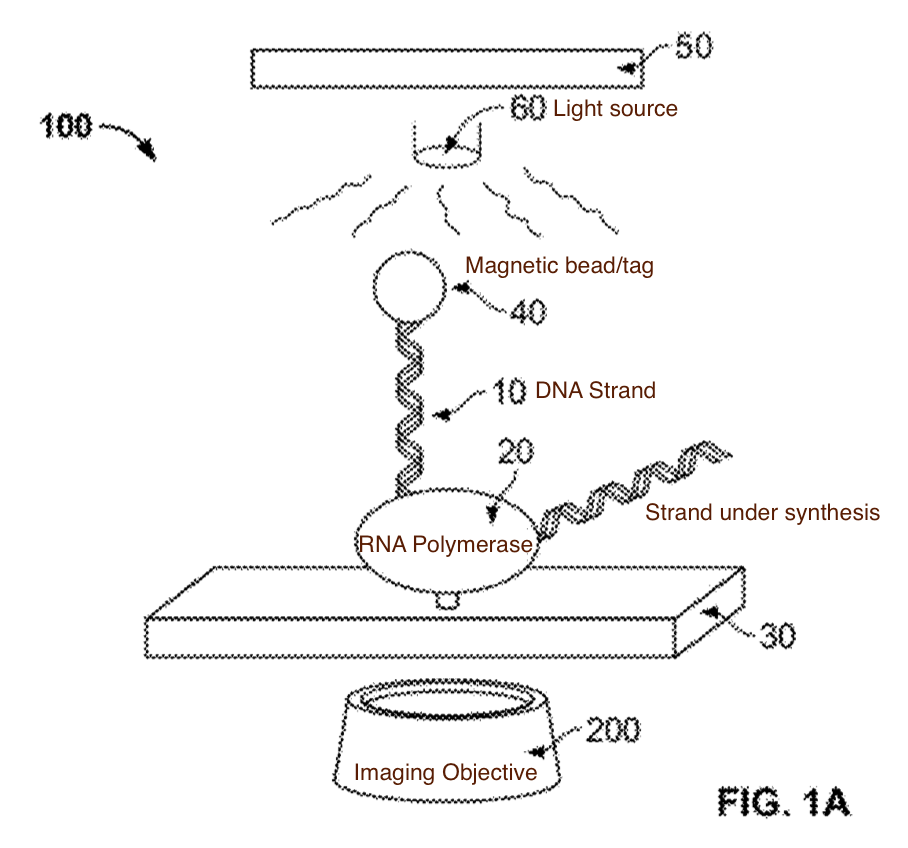
The sequencing approach relies of the fact that as an RNA polymerase incorporates a base, it rotates the template DNA strand. The approach is therefore sequencing-by-synthesis. However rather than synthesising a complementry strand of DNA (as in Illumina and other approaches) DNA is being transcribed to RNA and we are detecting the incorporation process as it takes place.

How to we detect the rotation of single strands of DNA? Stick a bead on it… An asymmetric magnetic bead is used. This allows us to put it under slight tension using a magnetic field (so it doesn’t move around under brownian motion). The patent shows 2.7 micron beads, it’s slightly surprisingly to me that a single polymerase/strand is able to move what I assume is a comparatively huge bead (if anyone has dimensions  for polymerases I’d be very interested!).

A schematic of the system (from the patent) which I’ve annotated is shown below:
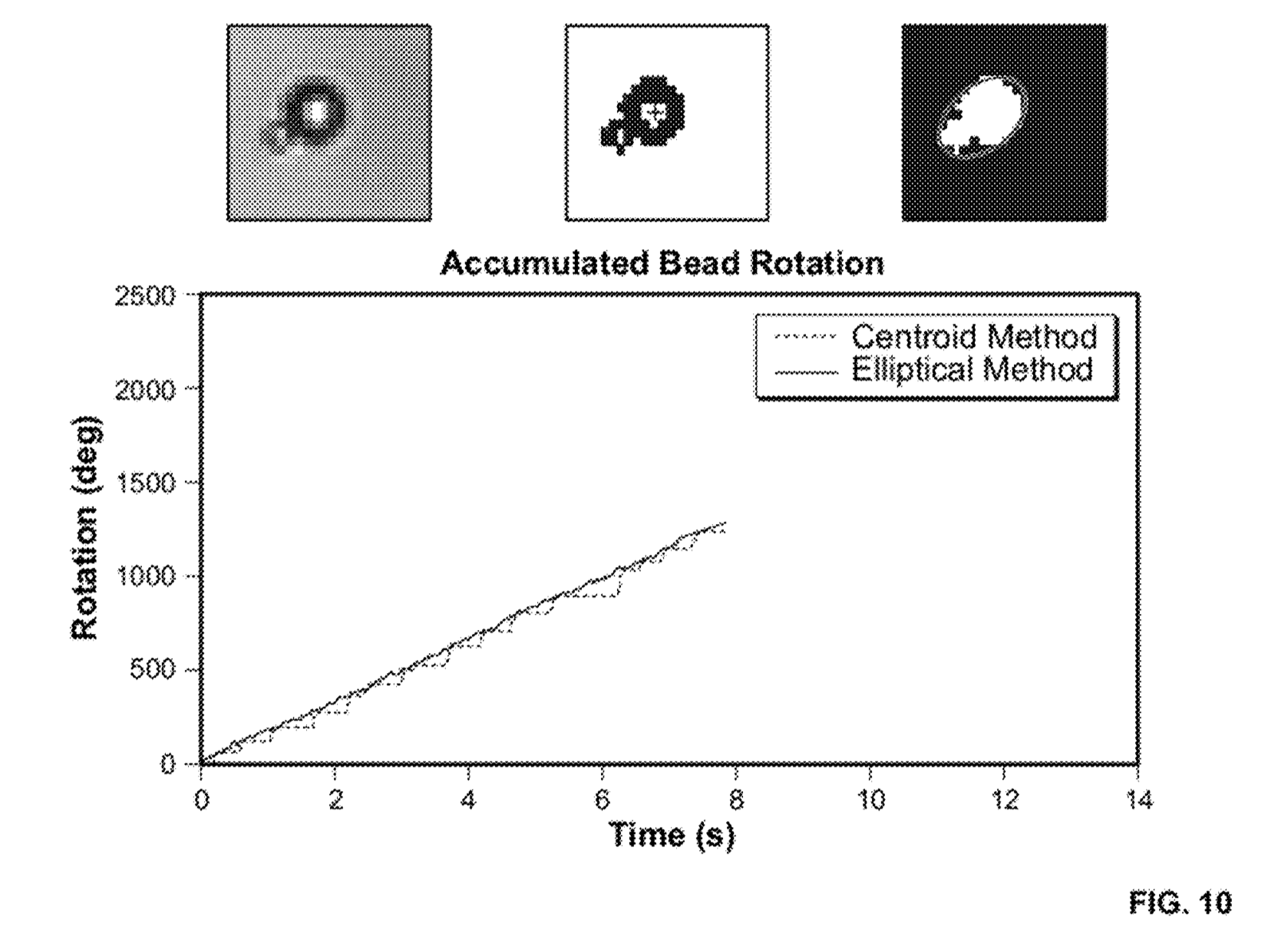
With this basic system in place, there are a couple of questions remaining. The first is, what exactly do these tags look like. The patent describes tags that look like a bigger bead with a smaller one stuck to it, I didn’t look into the construction details, but I’d imagine these can easily be fabricated:
The second question, is how to we use these parts to build a DNA sequencing platform.

If we are able to detect incorporation events, it’s hopefully clear that we can use this system to sequence DNA. One option is to simply flow bases in one at a time, and detect when bases are incorporated. This approach is similar to other single-channel, unterminated sequencing-by-synthesis approaches (Direct Genomics comes to mind, Ion torrent would be a related bulk approach).

The patent mentions this of course, but focuses on a different approach. Here they supply all but one base in equal quantities. A 4th base is supplied in limit quantity. This means that every time the polymerase needs to incorporate the “limit quantity” base, it pauses and hangs around waiting for one to come along.

Assuming that the polymerase otherwise incorporates at a constant rate, you can use these pauses to detect where that base occurs on a strand.

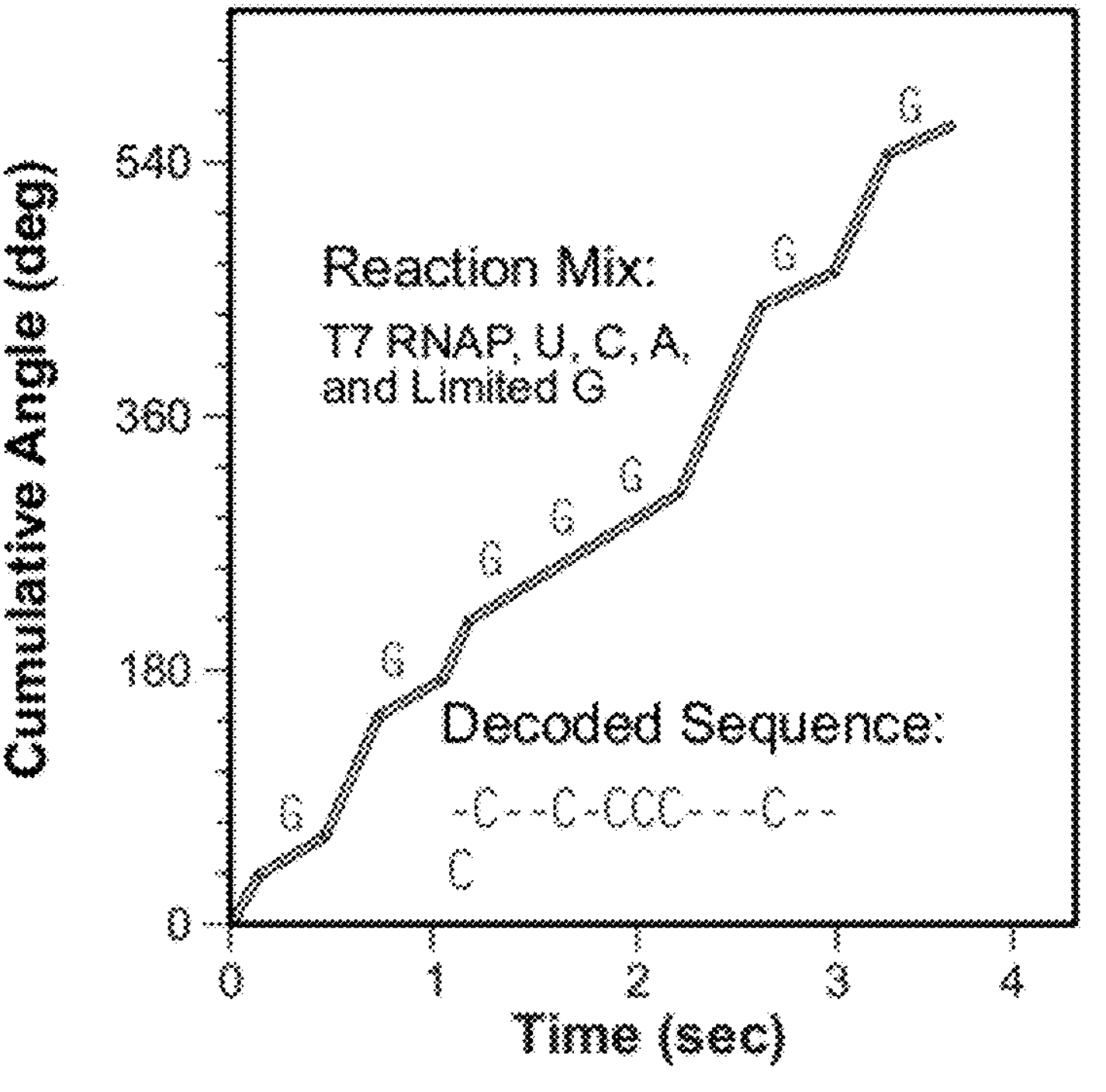
You then need to perform the sequencing experiment 4 times [6], limiting one base each time. The plot below, shows an example trace showing where slower incorporation indicates the incorporation of a “G”:
 

The patent also shows what appears to be a complete worked through real dataset (the text implies it’s real). In this example, 4 experiments are performed each reaction containing a limited quantity of one base. The rotation traces are captured and then combined to determine the template sequence:
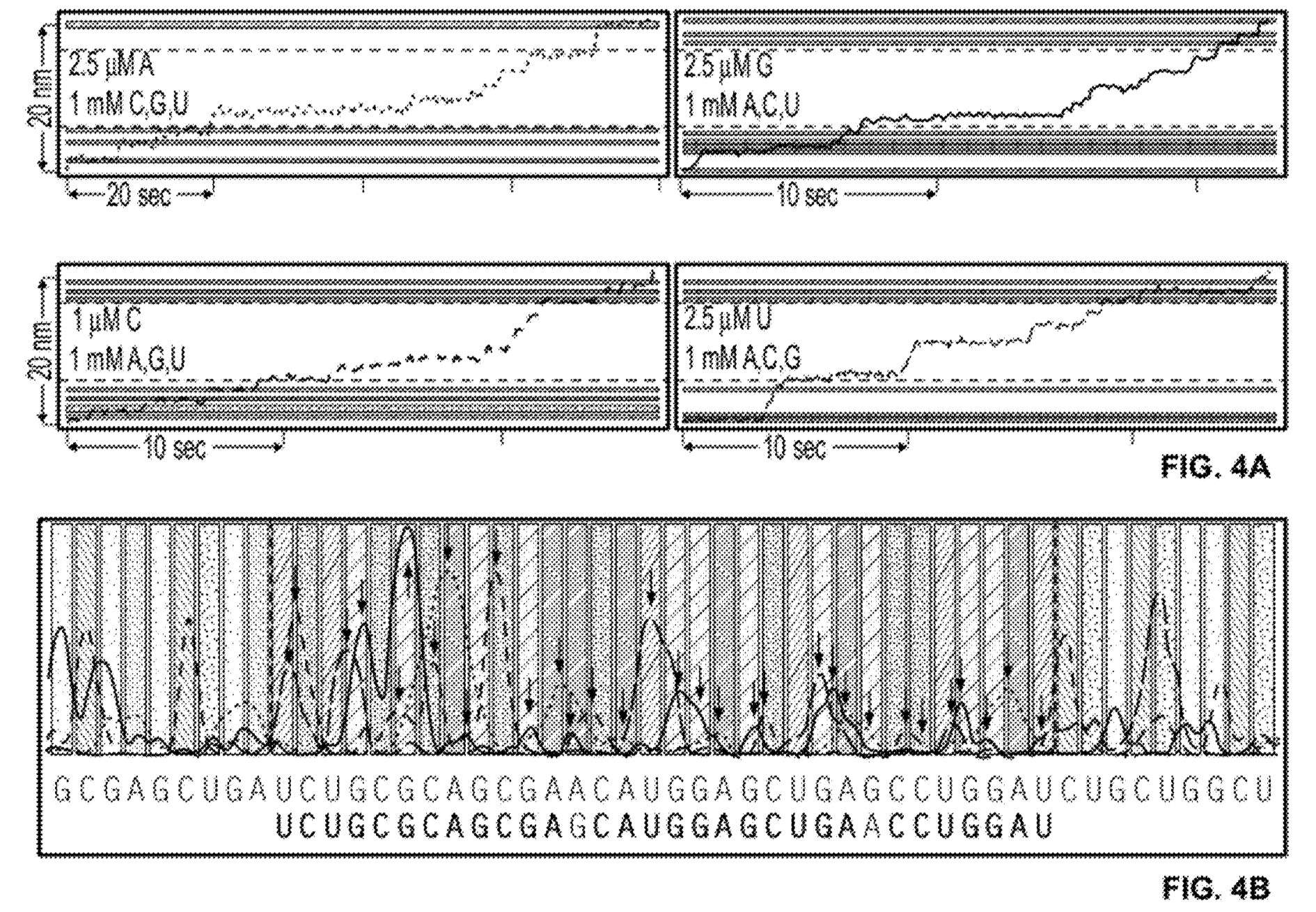
The sequence contains a couple of homopolymers, I guess the incorporation process slows down for twice as long at these points. Overall, it’s difficult to tell exactly how well the process is working from the trace above (or get any idea of what the error rate might be). But if this is proof of concept real data, it looks pretty reasonable!

The approach seems attractive because it vastly reduces the number of cycles/washes that would need to be performed (just 4 versus 1 for every base position sequenced).

The Eve Biomedical approach has other advantages too, because the beads are big, the optical system should be relatively simple and cheap (commodity mobile phone CMOS sensors?). But there are disadvantages too. Because the  sequencing is occurring in real-time sequencing is limited to a single field of view. This might make it harder to scale the platform.

Eve Biomedical have a second patent [1]. On my brief reading, this refers to using the same RNA polymerase, limited quality of one base system. However in this patent they suggest using it with a nanopore/nanostructure platform. The patent doesn’t seem to include real data/rig images.

The Eve Biomedical approach is really unique, and I’m not seen anyone else suggest using rotation to detect incorporation. While a very different approach, it reminds somewhat of the scheme Depixus have presented.

I’d love to see it played out a little more, if only because it’s so different.

Notes

[1] https://patents.google.com/patent/US20180010181A1

[1a] https://patents.google.com/patent/US20120214171A1
“As a consequence of transcription, the RNA polymerase exerts torque on the nucleic acid, which, in turn, manifests itself as rotation of a tag attached to the nucleic acid.”

“Such a method generaly includes contacting an RNA polymerase with a target nucleic acid molecule under sequencing conditions, detecting the rotational patern of the rotation tag, and repeating the contacting and detecting steps a plurality of times.”

“acid molecule comprises a rotation tag. The sequence of the target nucleic acid molecules is based, sequentialy, on the presence or absence of a change in the rotational patern in the presence of the at least one nucleoside triphosphate”

“FIG.3 are graphs showing two modes of nucleic acid sequencing described herein: Panel A shows an asynchronous, real-time “nucleotide patern’ sequencing strategy, where a limited concentration of a single nucleoside triphosphate (guanine(G) in this Panel) causes the polymerase to pause when incorporating G nucleotides in to the nascent Strand. Panel B shows asynchronous sequencing strategy, where a “base-by-base’ introduction of nucleoside triphosphates results in a continuous decoding of the nucleotide Sequence.”

“Rotation-dependent transcriptional sequencing relies upon transcription of target nucleic acid molecules by RNA polymerase. The RNA polymerase is immobilized on a solid surface, and a rotation tag is bound to the target nucleic acid molecules. During transcription, RNA polymerase establishes a transcription bubble in the template nucleic acid that contains within it an RNA:DNA hybrid of approximately 8 bases. As the RNA polymerase advances along the double-stranded nucleic acid template, it must unwind the helix at the leading edge of the bubble and reanneal the strands at the trailing edge. The torque produced as a result of the unwinding of the double-stranded helix results in rotation of the template nucleic acid relative to the RNA polymerase of about 36° per nucleotide incorporated. Therefore, when the RNA polymerase is immobilized on a solid surface and a rotation tag is attached to the template nucleic acid, the rotation of the template nucleic acid can be observed and is indicative of transcriptional activity (i.e., incorporation of a nucleoside triphosphate) by the enzyme.”

[2] https://www.genome.gov/27554929/

[3] ~1MUSD in SBIR grants: https://www.sbir.gov/sbirsearch/detail/671328

[4] Crunchbase lists a total of 7.7MUSD raised, from one disclosed investor DFJ. https://www.crunchbase.com/organization/eve-biomedical

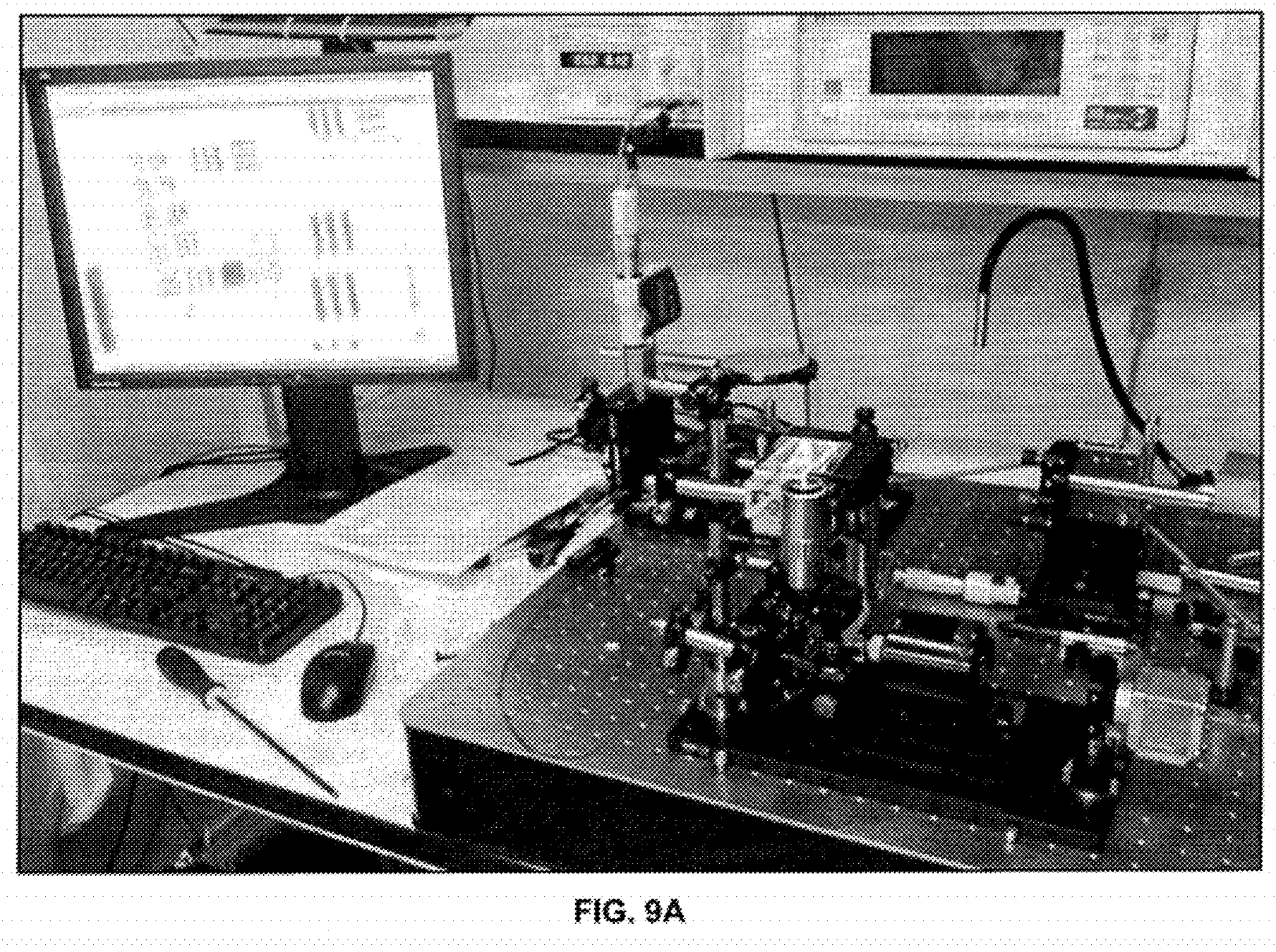
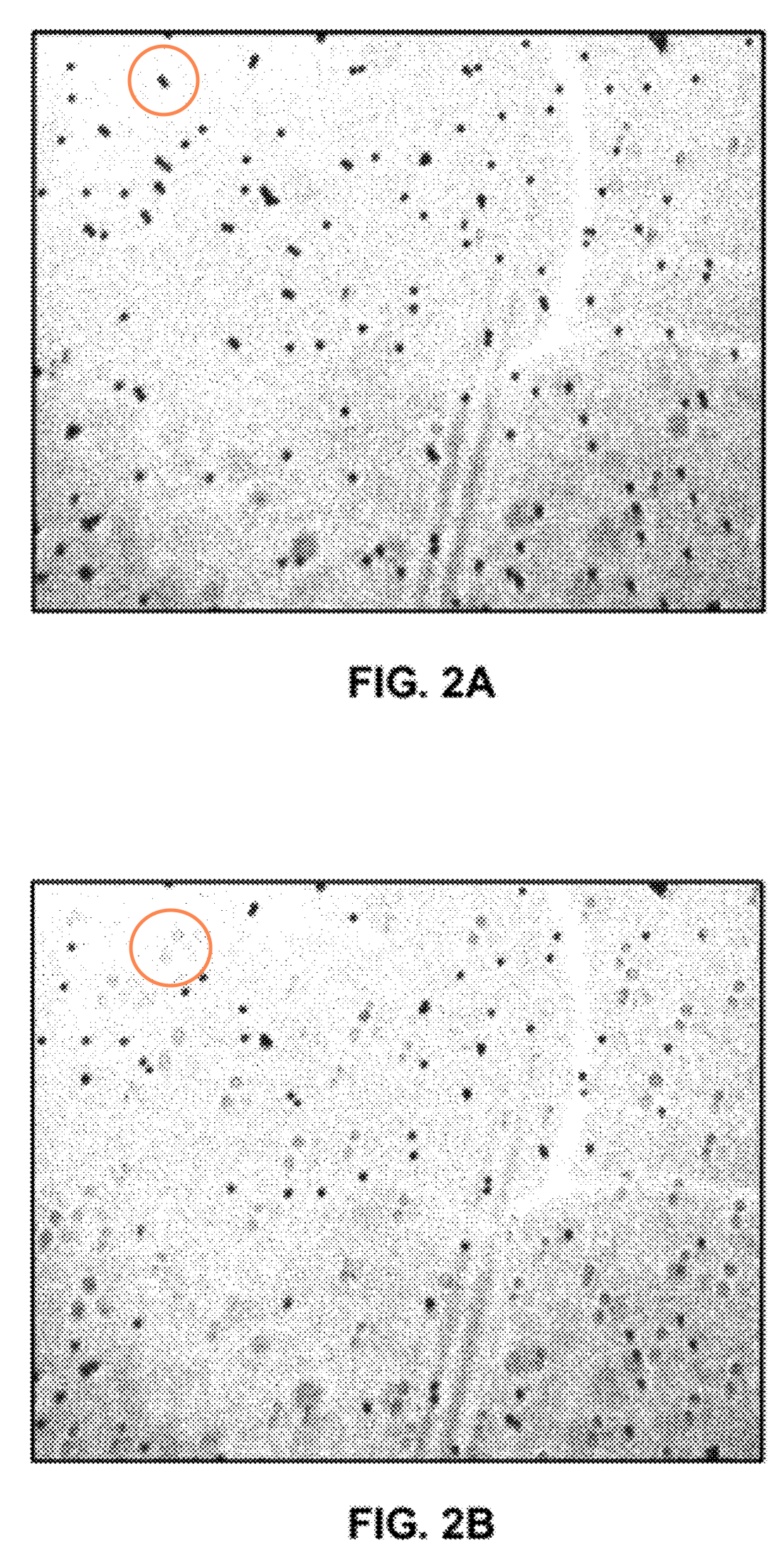
[5] Here a figure from the patent which as I understand it shows magnetic beads going in and out of focus and the field strength is varied. This process isn’t used in sequencing, but shows how the beads/strands can be put under slight tension during the sequencing process.
[6] Strictly speaking 3 times, as you could obviously infer one of the bases as “not being any of the others”. You could also probably using the Cygnus type “mixtures of bases” error correction schemes with this approach.
Apton Biosystems

Another day, another sequencing company. This time Apton Biosystems. Checkout the complete list of sequencing companies, for links to all other posts. Unfortunately there’s not much to say about Apton, but this post contains what information seems to be available.

Business

According to their site Apton Biosystems was founded in 2012. SEC filings [1] indicate they raised ~10.5MUSD in 2015. The website lists investors as including Khosla Ventures, Cenova Capital, Samsung Catalyst Fund, and Cowin Venture [5].

From archived copies of their website at the Internet Archive, the site was updated sometime in 2018 (before April?) to provide more information and explicitly mention sequencing (as seemly the focus). Existing patents however only mention sequencing incidentally (by my reading) and focus on protein detection.

Technology

There’s very little information on the Apton sequencing approach, which I would assume is still in development. Current patents do not refer to a specific sequencing approach (for example, sequencing by synthesis or sequencing by hybridisation), and only mention sequencing as one possible application.

The website is more explicit, saying “Apton Biosystems is developing a high throughput system that can sequence the human genome for $10.” [5]. A number of DNA sequencing focused jobs have also been posted [3] [4].

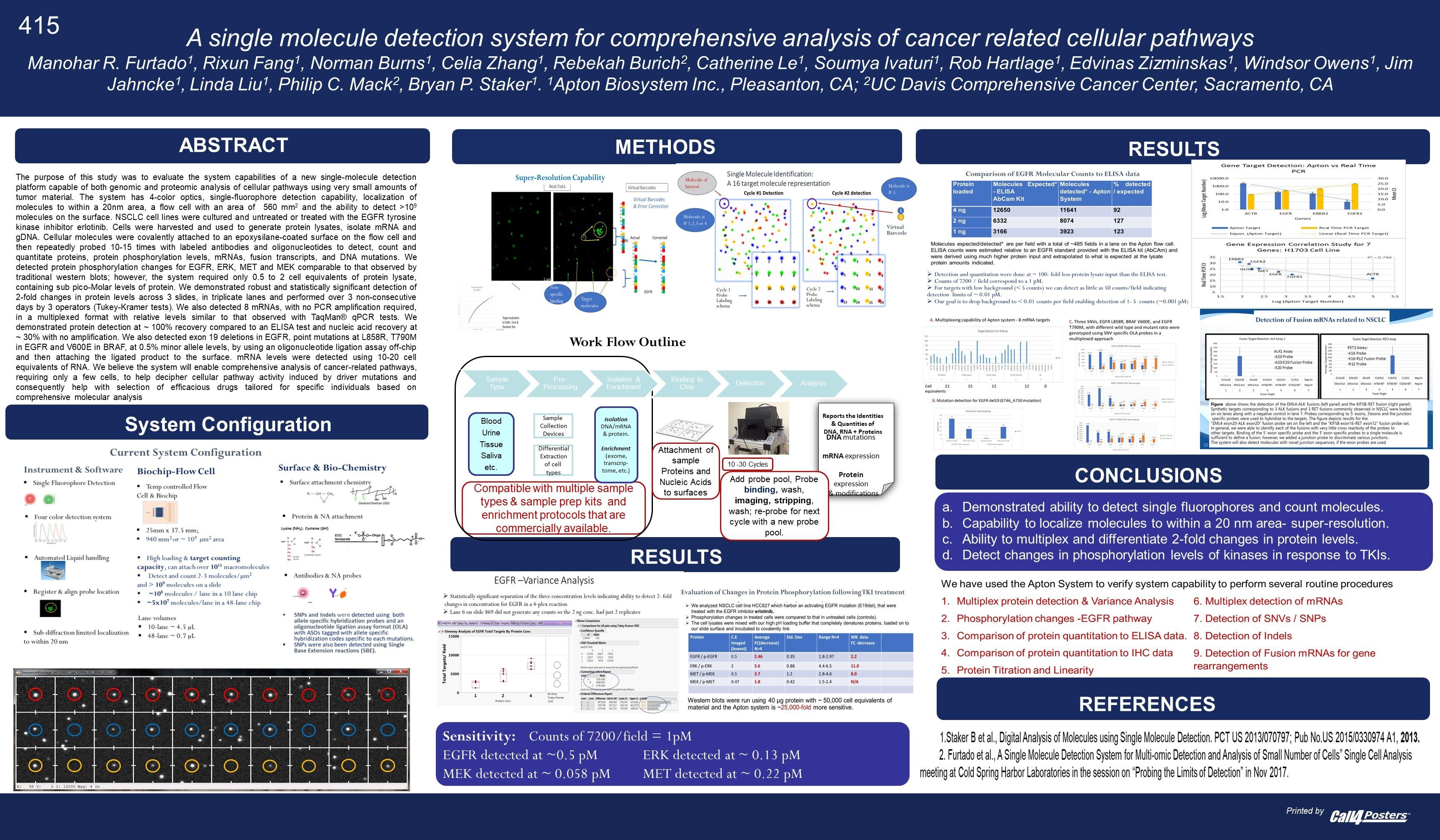
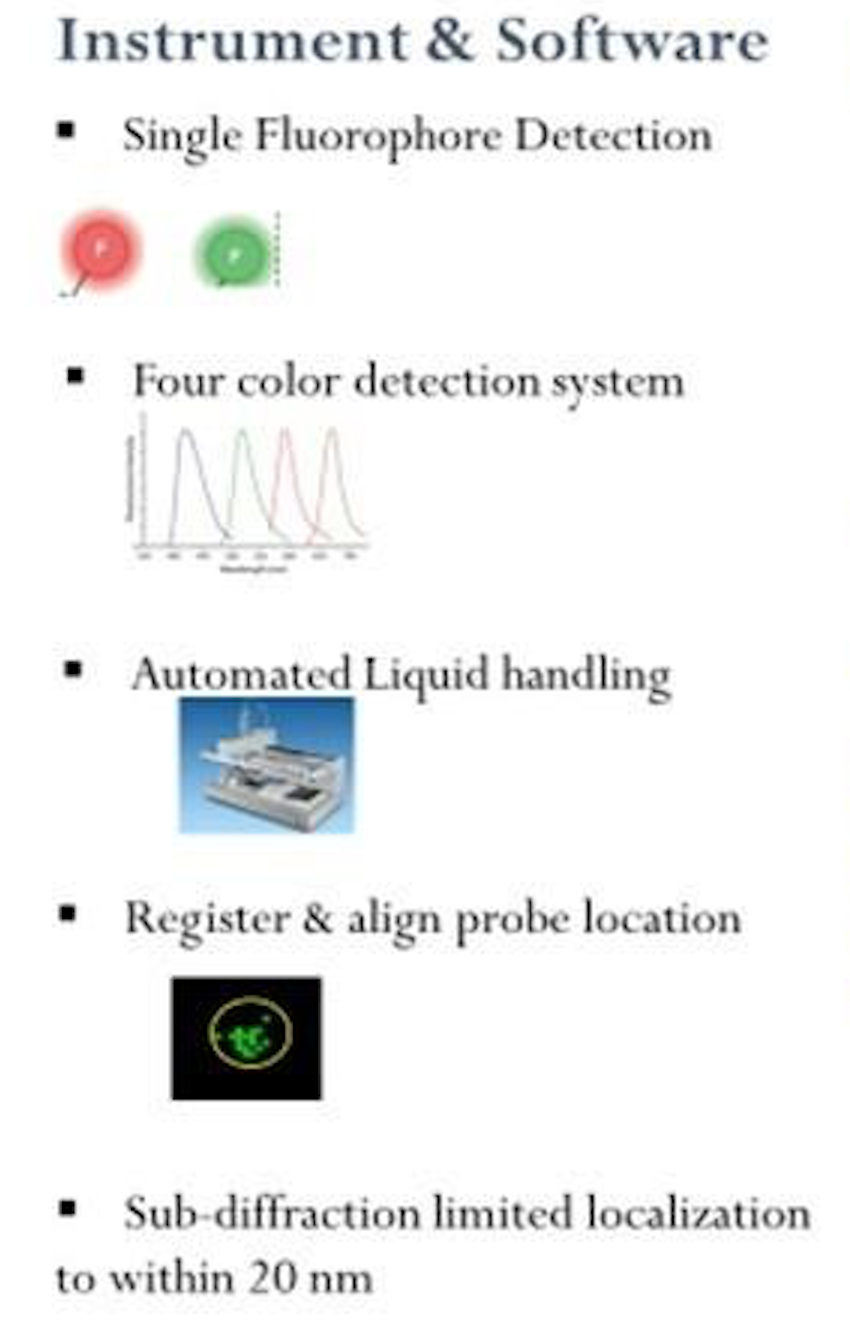
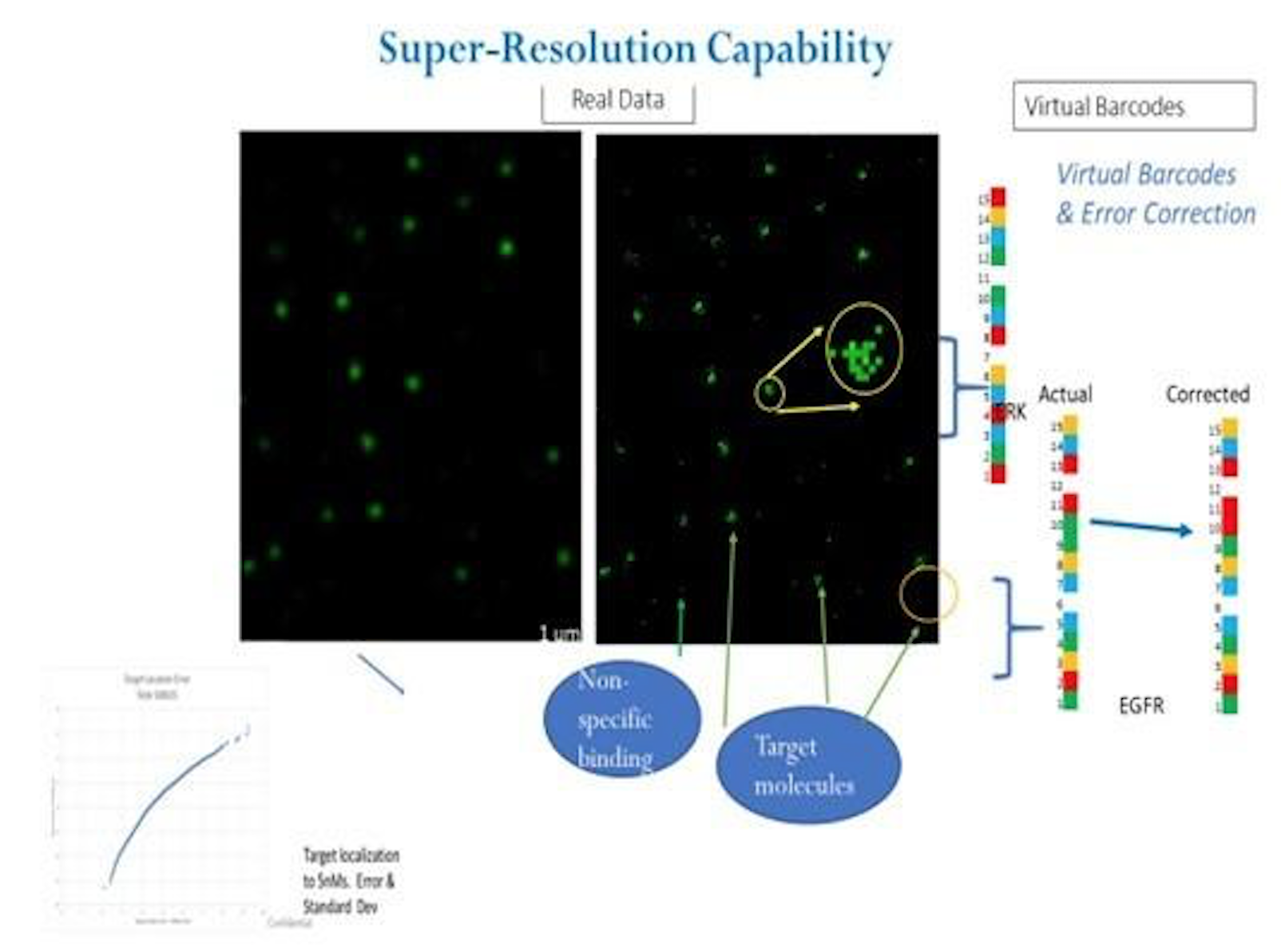
A recent poster provides a little more information [2]. In particular it’s clear that they are developing a single molecule optical approach (like Helicos, Direct Genomes, SeqLL), but 4 color (one would assume one dye per base, but see below). They say the approach can give 20nm resolution, and is therefore a super-resolution approach (beating the diffraction limit). However, there’s still no mention of a particular sequencing chemistry, just that that SNPs were detected using hybridisation probes and single base extension reactions.

It’s also not clear what super-resolution approach is being used…

In Illumina sequencing cluster positions have long been identified with sub-pixel resolution (you do a gaussian fit around the maximum intensity to get a sub-pixel resolution cluster location) as such it could be said that the Illumina approach can/does have super-resolution qualities.

However, without more details of the sequencing approach used by Apton it’s unclear what advantages this brings.

The poster and patents, also mention error correction, but it’s unclear how they would apply this to sequencing. The use of error correction in the platform, obviously bring to mind Cygnus’ approach.

I’ll be on the look out for more patents, and more information as it appears.

Notes

[1] SEC Filing appear to indicate they raised in the order of 10.5MUSD in 2015: https://www.sec.gov/cgi-bin/browse-edgar?action=getcompany&CIK=0001557398

[2] Poster/talk abstract?

http://cancerres.aacrjournals.org/content/78/13_Supplement/415

“The purpose of this study was to evaluate the system capabilities of a new single-molecule detection platform capable of both genomic and proteomic analysis of cellular pathways using very small amounts of tumor material. The system has 4-color optics, single-fluorophore detection capability, localization of molecules to within a 20nm area, a flow cell with an area of 940 mm2 and the ability to detect > 109 molecules on the surface.”

[3] Job posting

https://www.ventureloop.com/ventureloop/jobdetail.php?jobid=893846&utm_source=joraus&utm_campaign=joraus&utm_medium=organic

“Apton Biosystems Inc. is based in Pleasanton, CA.  The company was started in 2012 with the goal of revolutionizing the way cellular processes and pathways are characterized. We are developing an ultra-low-cost and high-throughput sequencing platform based on our 4-color single molecule detection system.  This system was developed for the detection and quantification of multiple analytes (DNA, RNA and Proteins) on the same platform and uses proprietary optical and authentication technologies to push the limits of molecular detection and quantification.”

[4] https://www.glassdoor.com/job-listing/lead-data-analyst-bioinformatic-scientist-apton-biosystems-JV_IC1147390_KO0,41_KE42,58.htm?jl=2740301303

“We are developing an ultra-low-cost and high-throughput sequencing platform based on our 4-color single molecule detection system.”

[5] Website Aptionbio.com.

Old/Demo website? ganaraajassociates.

[6]

https://patents.google.com/?assignee=APTON+BIOSYSTEMS+Inc

https://patents.google.com/patent/US20150330974A1

“In one embodiment, the method is computer implemented. In another embodiment, K is one bit of information per cycle. In other embodiments, K is two bits of information per cycle. K can also be three or more bits of information per cycle.”

Long section describing the use of aptamer probes with a long tail. The aptamers are detected by synthesising a complementary strand, and detecting the associated incorporations using an ISFET sensor (this seems odd in an otherwise optical system).

Universal Sequencing Technology

Another in my ocassional series on currently active DNA sequencing companies. Today, Universal Sequencing Technology.

Business

There’s not much information on Universal Sequencing Technology. The Delaware state database lists their incorporation date as 9/1/2016. However their international patent has a priority date of 30th October 2015. Two employees are lists on LinkedIn (Robert Roorda, Head of Instrumentation and Scott Kozak, Chief Business Officer).

I’ve not been able to find any information on funding.

Technology

There is one patent assigned to UST [1].

This concerns itself almost exclusively with control the motion of DNA in nanopore sequencing platforms. One of the major issues with nanopore sequencing is slowing the passage of the DNA through the pore so it can be read. Without being slowed, the DNA will pass through the pore at millions of bases per second.

The patent doesn’t limit itself, or even focus on, any particular type of nanopore (protein or solid-state). Nor do they discuss Ionic current blockage versus tunnelling current detection in any great detail.

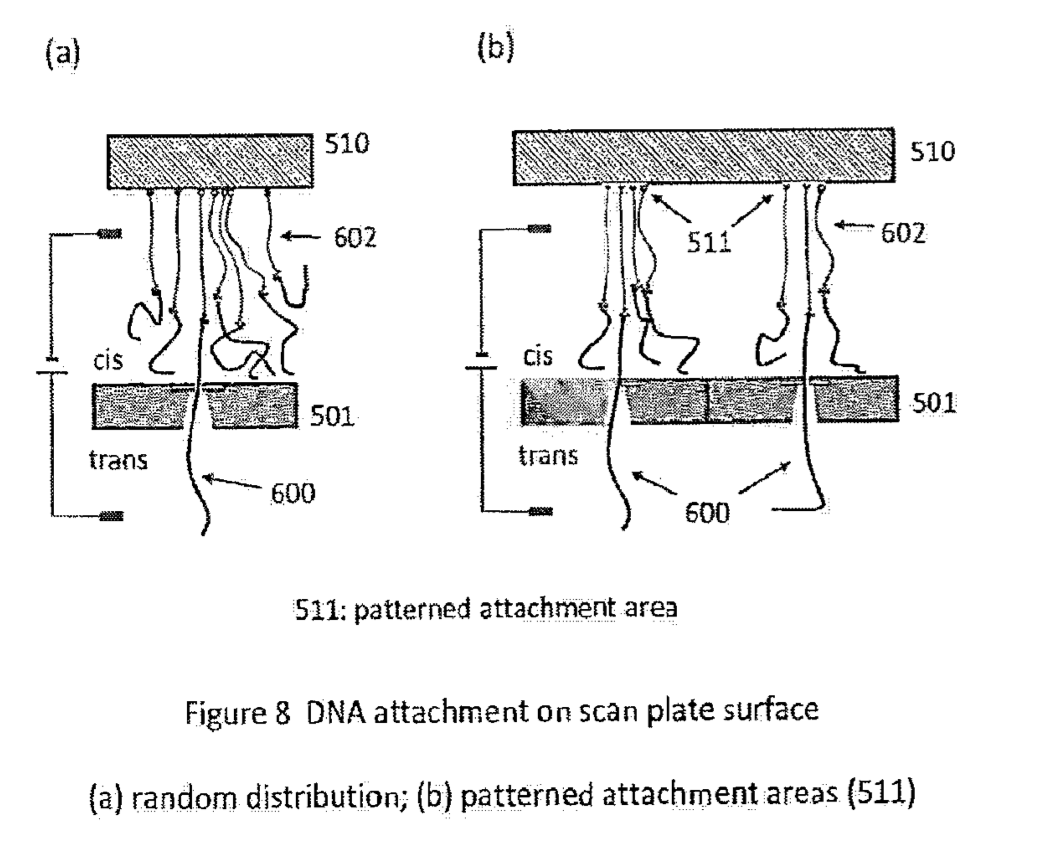
The crux of the application is really the use of non-enzymatic methods to control the motion of the DNA. A strand to be sequenced is attached to a substrate of some kind (for example a bead). The strand is then dragged into the pore (under a bias voltage). However because the DNA is attached to a substrate on the other end, it can’t get pulled all the way through the pore.

The substrate is then moved, such that different parts of the strand sit in the pore. This is not unlikely some of the work of the Keyser lab where optical tweezers are used to control the motion of a bead to which a strand of DNA is attached.

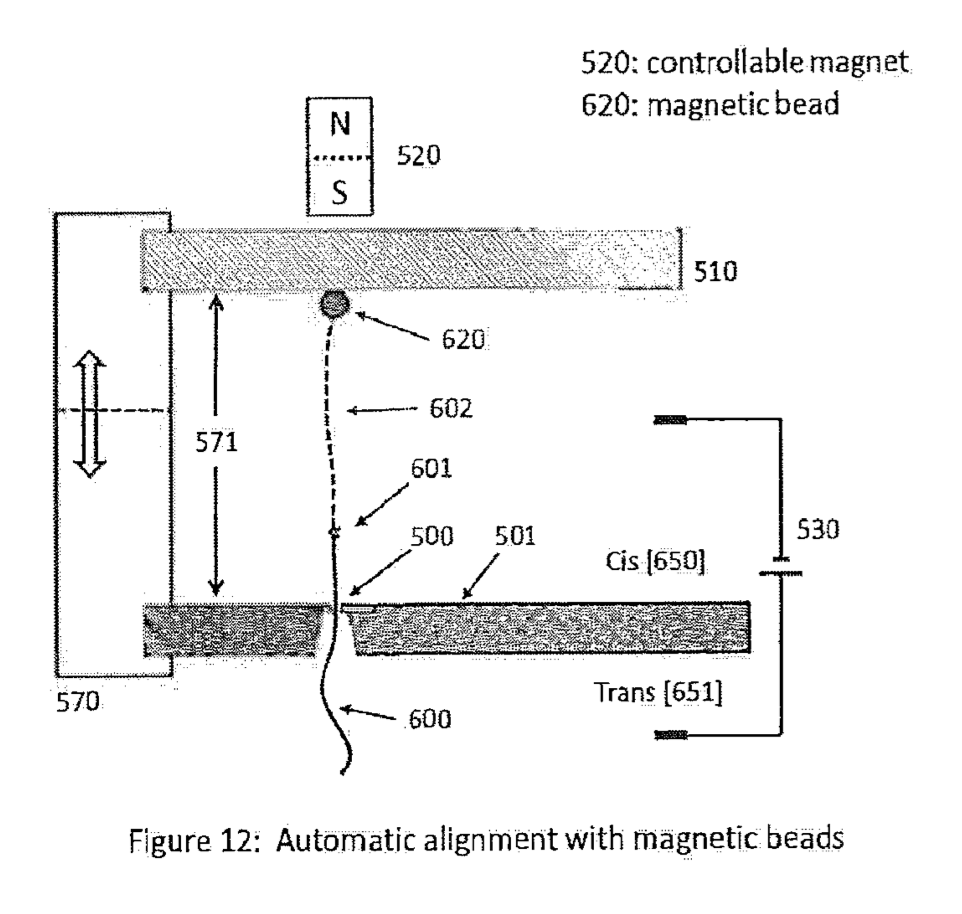
There are a number of ways to control motion with the nanometer to sub-nanometer precision required. Many of these have been developed for use in scanning probe microscopy. There are a few methods proposed in the patent, but the preferred scheme seems to be the use of a sequencing strand attached to a magnetic bead:

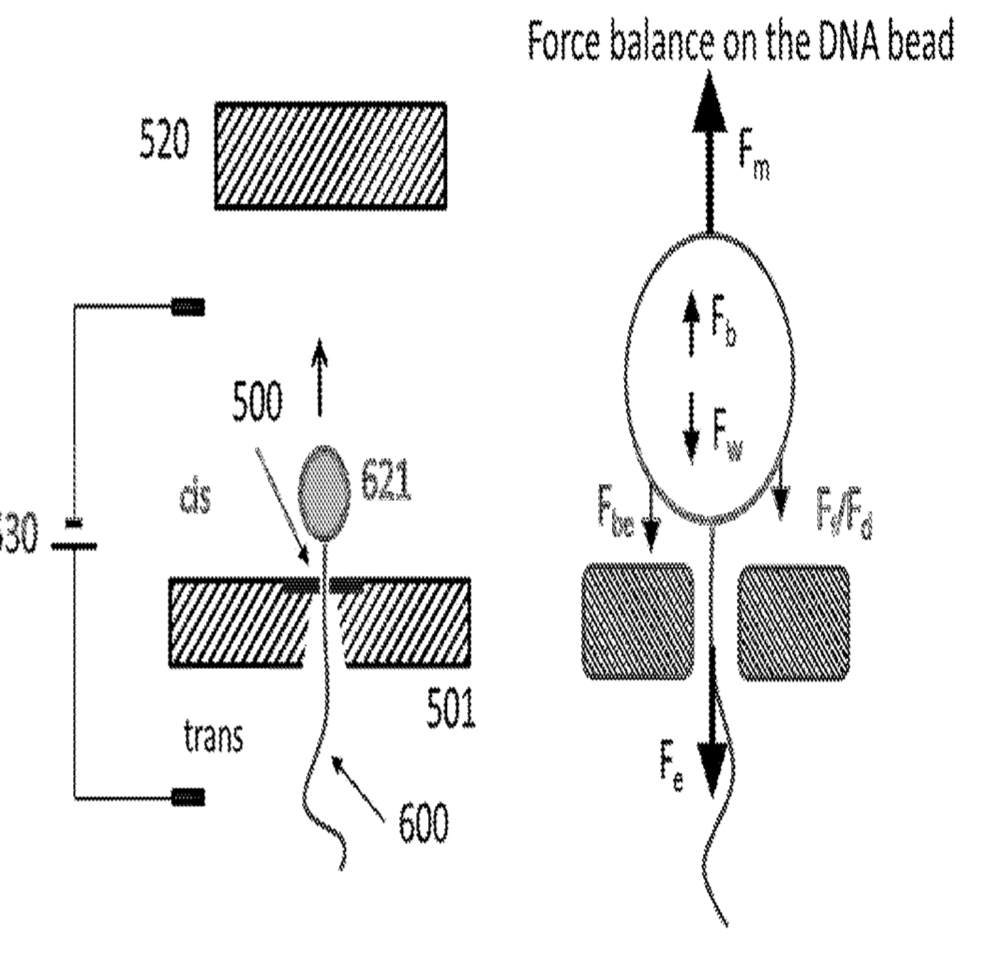
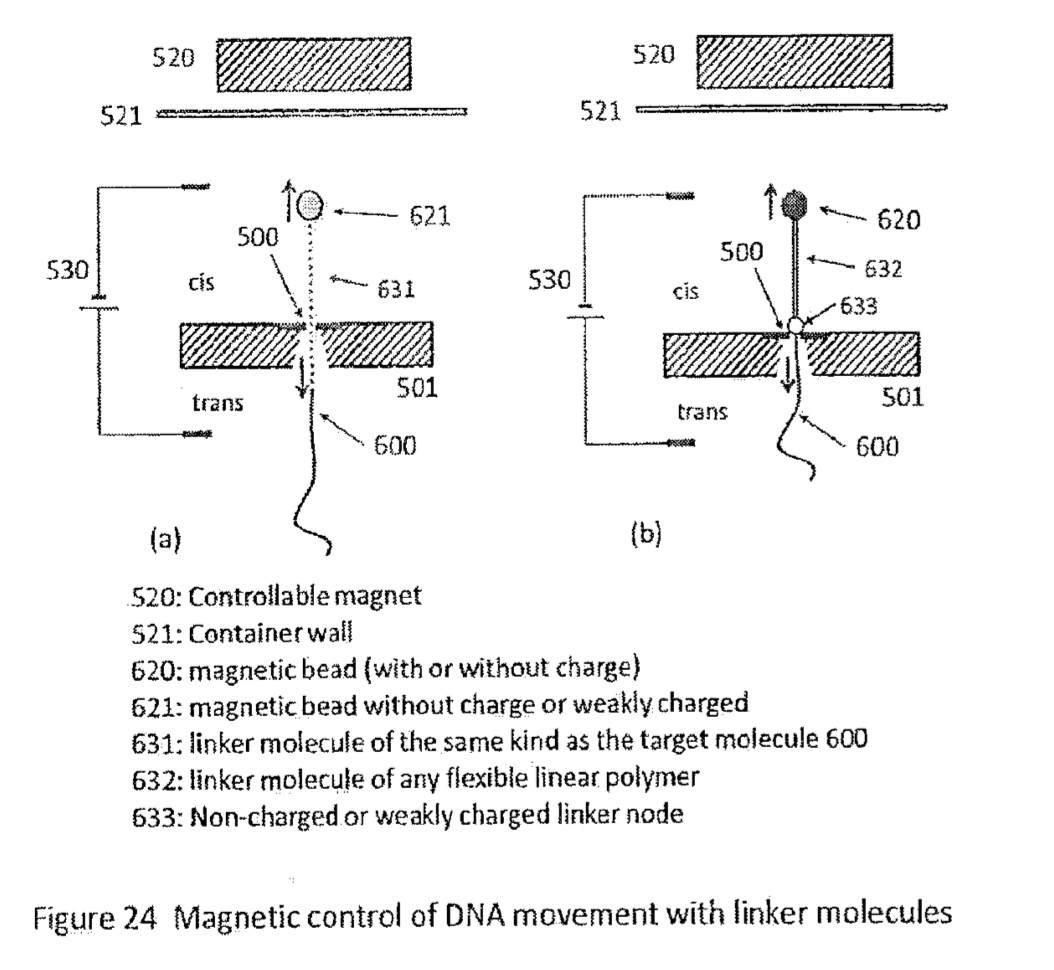
The bead itself in uncharged (in some embodiments at least). It gets pulled through the pore by virtue of the of the charge on the DNA strand. They can detect when the strand enters the pore, and at that point setup a magnetic field to balance the force on the strand. They can then increase or decrease the magnetic field strength to move the strand in and out of the pore (this has been called “flossing” elsewhere). The strand can sit, ideally relatively static, in the pore while the signal from a single position is read.

As usual there are a number of modification to the basic scheme proposed, longer linkers… spacing strands etc:

The idea is pretty reasonable, and through the use of optical tweezers (and potentially other methods) has obviously been tested in academic work. This patent doesn’t show any data, but I’ll be interested to see how the approach plays out in practice.

Notes

[1] https://patents.google.com/patent/WO2017075620A1

Read/Write DNA Devices – pt2

I previously wrote about a nanopore approach to creating a read/write DNA platform. In this post I decided to play with a bulk approach. The idea is to create a sequencing-by-synthesis system that does not require fluidics. All reagents can be preloaded, and is very cheap (the complete system would be in the 10USD range), but also very low throughput (maybe 100 sensors, though scaling maybe possible).

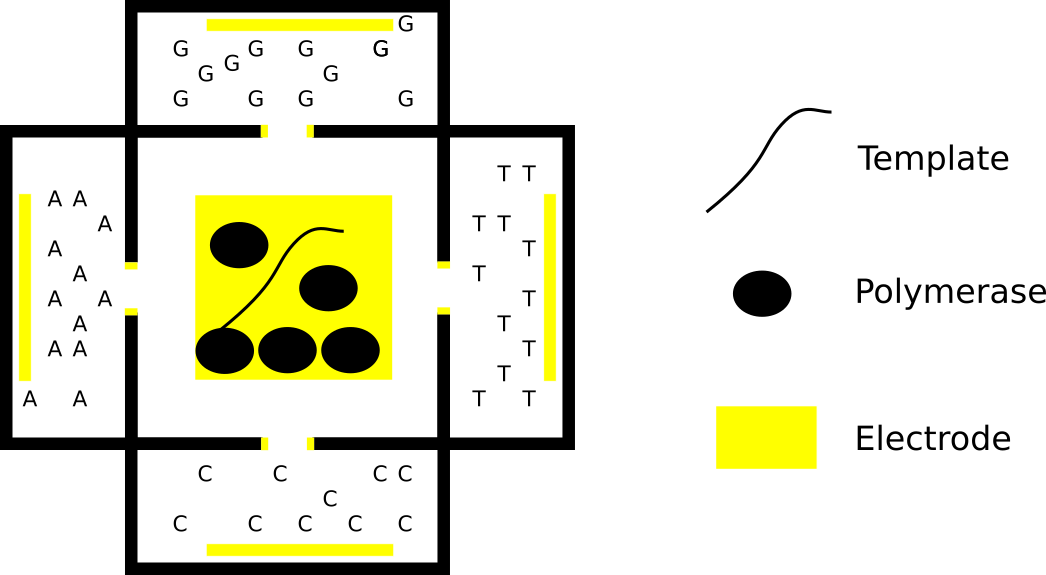
The idea is to move nucleotides around using electrophoresis [3], rather than fluid flow. In the diagram above the nucleotides sit in separate chambers [6], surrounding a central chamber where the template you are sequencing sits [5]. The template would need to be appropriately primed, this central chamber also contains polymerases (preloaded or otherwise).

The apertures connecting the nucleotides to the main chamber may also be surrounded by electrodes. These would be negatively charged to stop the nucleotides from migrating into the main chamber.

In order to sequence the template you would perform stepwise incorporation of each base, and detect the incorporation. For example, you would discharge the “A” aperture electrode. Negatively charge the electrode in the “A” chamber, and positively charge the electrode in the main chamber with respect to this. “A” nucleotides would then flow into the main chamber and incorporate into the template (if complementary to the current template position). After incorporation, unincorporated bases would need to be removed from the main chamber.

They could be removed in a number of ways. One method would be to reverse the polarity of the main chamber, and nucleotide chamber electrodes. This would return the nucleotides to their original chamber. For this to work, a sieving buffer would need to be used (as used in capillary electrophoresis sequencing for example). This would allow the single nucleotides to migrate quickly, and the template to migrate relatively slowly. As such the single nucleotides would migrate back to their original chamber [2] before the template (and polymerase) has had a chance to migrate out of the main chamber. After the nucleotides have returned, a charge could be applied to the main chamber to compensate for any movement of the template/polymerase and return them to the centre of the chamber.

Alternatively a nucleotide degrading enzyme as suggested by Ronaghi et al. in 1998 [1] could be used. In this scenario, new nucleotides would be moved in under electrophoretic flow but any unincorporated bases would be digested. You might need to use a higher concentration of nucleotides perhaps to ensure that some are incorporated before digestion.

Once incorporation has taken place, and free nucleotides have been removed [4] the incorporation can be detected. This maybe through the use of labelled nucleotides (fluorescence or otherwise). However it might also be possible to detect unlabelled molecules via the main chamber electrode, I would imagine the incorporation of additional nucleotides would result in a change in capacitance which could be detected. Or perhaps could be detected via multiple main chamber electrodes through other means.

So that’s how sequencing would work. Multiple incorporations would need to be detected through increased signal intensity (like other unterminated approaches) or through the use of reversible terminators.

It could be that users would want to use pre-amplified DNA with appropriate terminators. Or pre-diluted DNA such that only a single template is present (with appropriate primers). If single template is present, we’d also need to amplify it on device. A heater (TEC or otherwise) could be present on device to allow thermo-cycling to take place. The presented nucleotide chambers could be used, or an additional chamber containing a mixture of nucleotides.

So, there we go, that’s the sequencing side of things. In terms of construction a number of approaches could be used. I kind of envisage a platform based around commodity printed circuit boards (with ENIG plating perhaps). This would provide the electrodes and chambers would need to be built on top of this. Using a PCB it would probably be possible to scale out to ~100 chambers. Nucleotides and reagents could come preloaded. The sequencing “cell” would probably cost ~1 to 5USD. Associated electronics would likely not be very expensive, I could imagine this also being disposable. But if for example, picoamp current sensing and or CCD/photodiode acquisition is required over 100 channels, electronics could cost perhaps 100USD.

Some electrodes might come pre-energised to prevent nucleotide migration, which would be accomplished using a small embedded battery.

While it might be possible to scale out further than 100 sensors, a 100 sensor system would be targeted as a general purpose lab tool. It’s the kind of small scale, super cheap sequencer that doesn’t currently exist and which users could use as a routine part of protocols without spending 100s of dollars.

Writing

That’s the read side, but I believe it might be possible to use the same device for synthesis. In this scenario rather than using a normal polymerase, a template independent polymerase would be used (e.g. TdT). As before you’d selectively expose the polymerase to different bases to perform synthesis.

Obviously, without terminators it will be difficult to control the number of nucleotides incorporated accurately. However it maybe possible to control this to some degree through reagent concentration (and the nucleotide degrading approach above). There may also be other ways of preventing multiple bases from being incorporated.

However, if we have coarse grain control over the number of nucleotides incorporated (at least 1, less than 10 for example). Such a system could already have utility for data storage applications. In such a scenario we with use limited, or no information from the homopolymer length. We could for example using A->T transitions to represent 0, and G->C transitions to represent 1. A number of encoding are possible…

Notes

[1] Nucleotide degrading enzyme approach:
https://www.researchgate.net/publication/13579022_A_Sequencing_Method_Based_on_Real-Time_Pyrophosphate

[2] You might also want to move them back to a “waste” chamber, if there’s some possibility of mixing. This might require a larger supply of nucleotides.

[3] Or I guess electro-osmosis.

[4] Or even before they’ve been removed depending on the detection process.

[5] You can imagine a number of methods for loading the templates into the system. As a lab tool I’m kind of imagining that users would just load templates into a aperture with is sealed when shipped.

[6] Nucleotides could be preloaded. In an array system, nucleotide chambers might be connected to allow them to be loaded more easily. Or they could be “printed” etc.