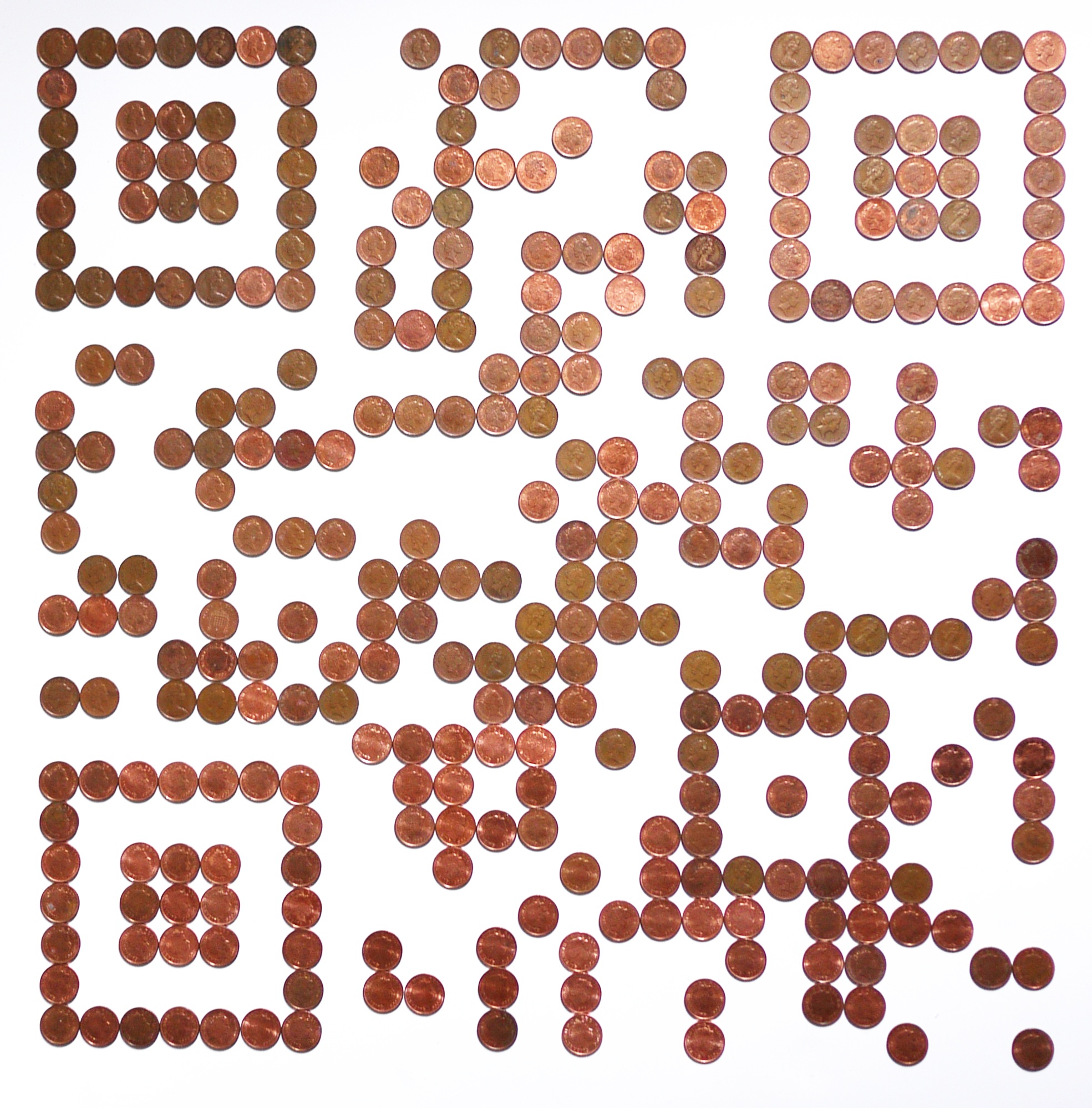
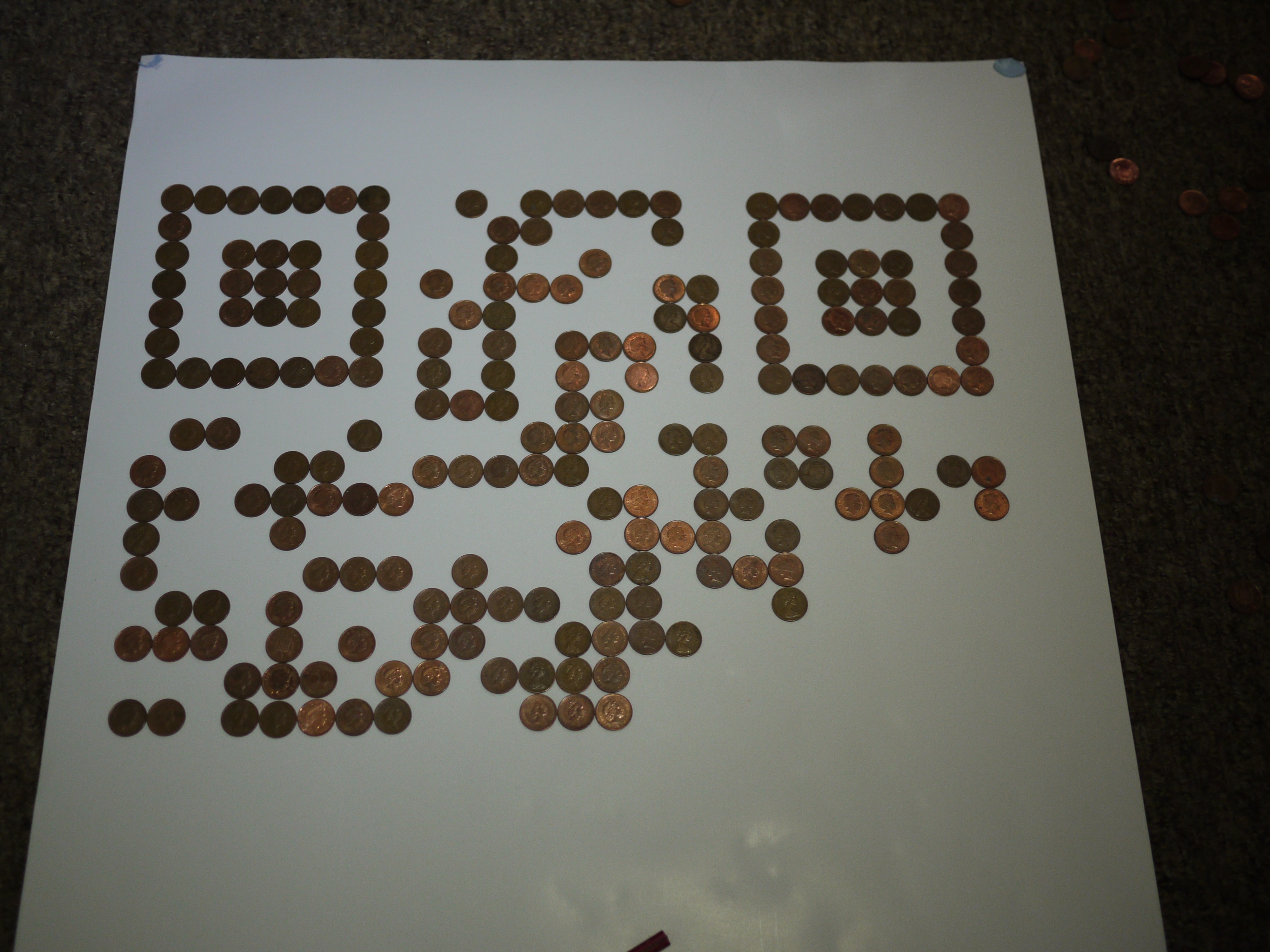
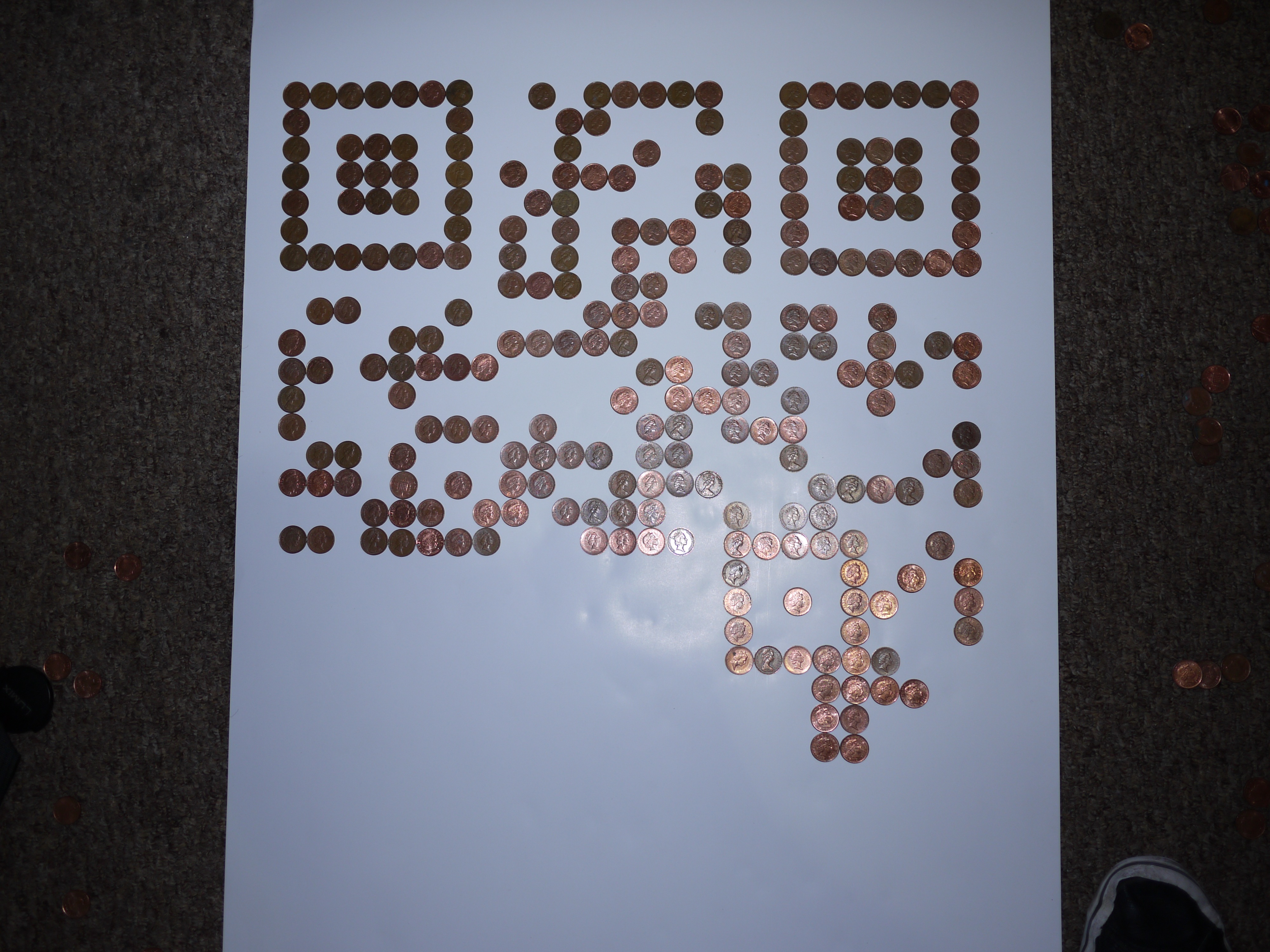
I’ve been inspired by the QR codes made of cookies, paint tins etc. and decided to make a QR code from money.
It scans pretty well with the QR code reader on my iPhone, which is called imaginatively enough “Scan” by QR Code City.
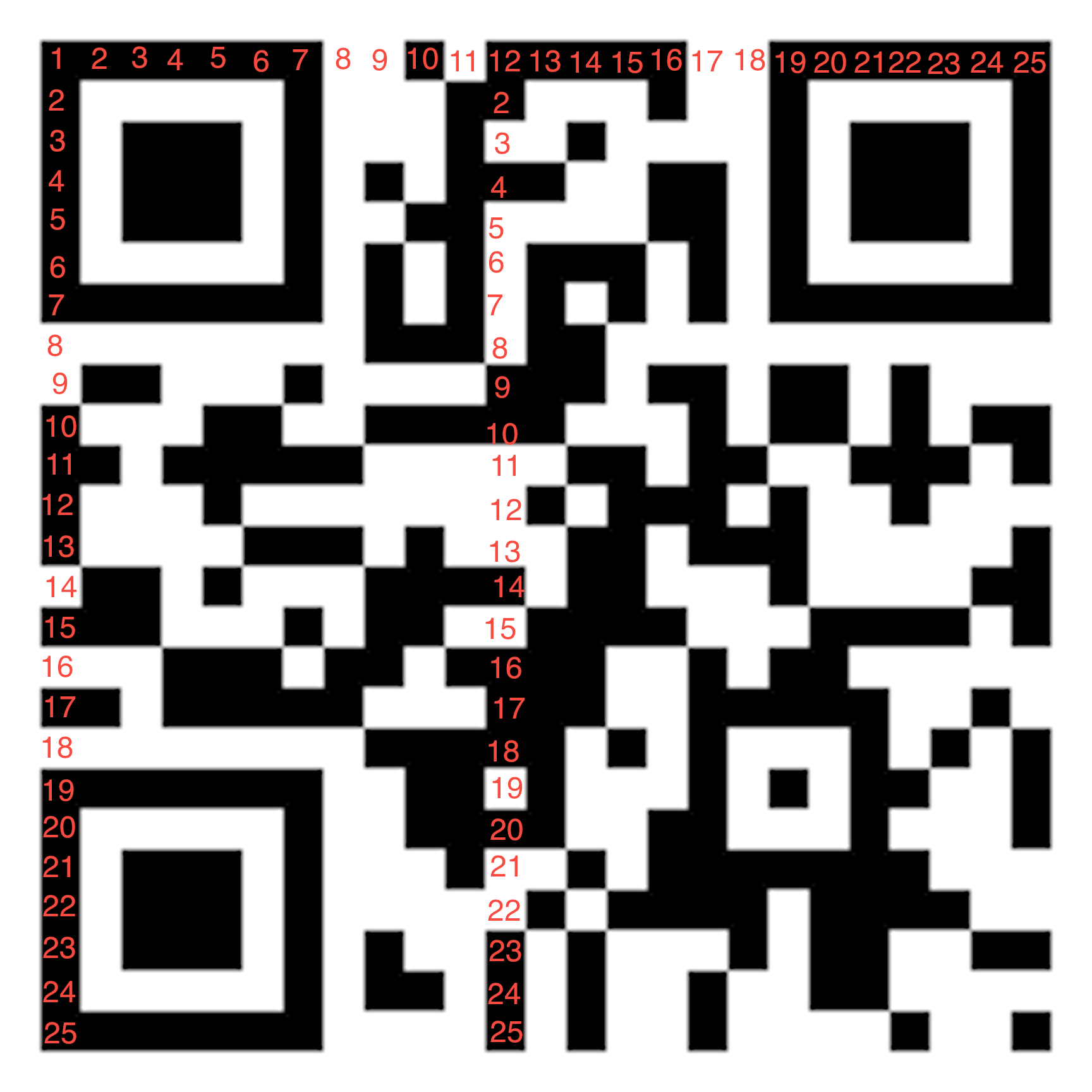
I generated the QR code using an online service here.
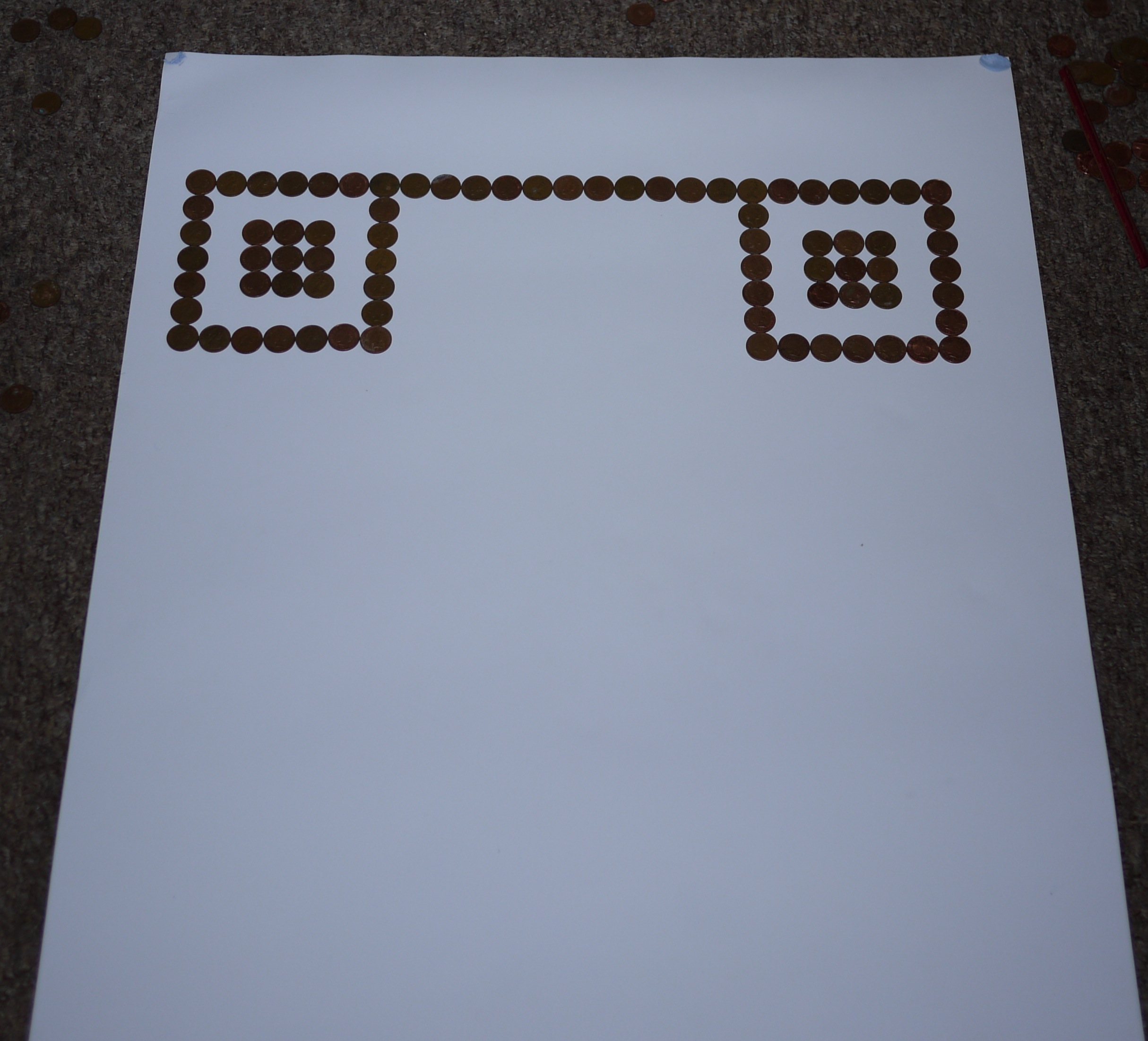
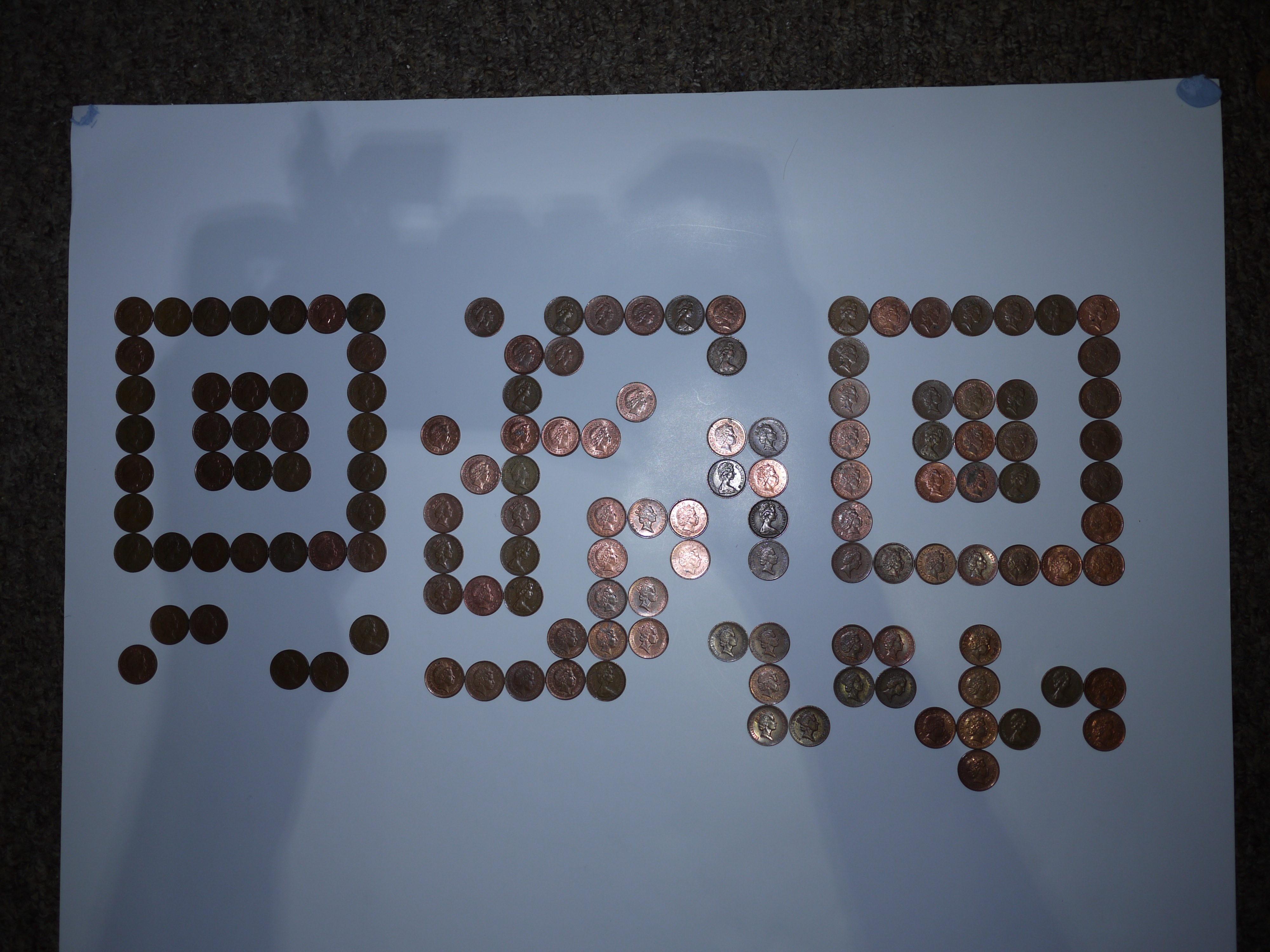
I then annotated that image to make it easier to lookup different pixel values. Once that was one I started laying the coins out of a sheet of paper. I have to say if I were to do this again I’d get a A1 printer and print a template with markers just smaller than the coins. It would make life a lot easier.
My my reckoning the image is worth 3 pounds 13 pence. Next up a QR code made of chickens… or air… or ennui…
Hello Hackaday people, the post you are looking for is here
I found this watch at a market in Somerset. I find it utterly fascinating in that it’s a rather advanced piece of kit, certainly compared to what you could buy 10 years ago, while also being completely ridiculous.
It’s called a Montres Carlo 30420.
The scrolling text is quite impressive, and indicates to me a rather complex ASIC, or possibly even a small microcontroller. The battery life is also pretty good, it’s been running for months now using a CR2025.
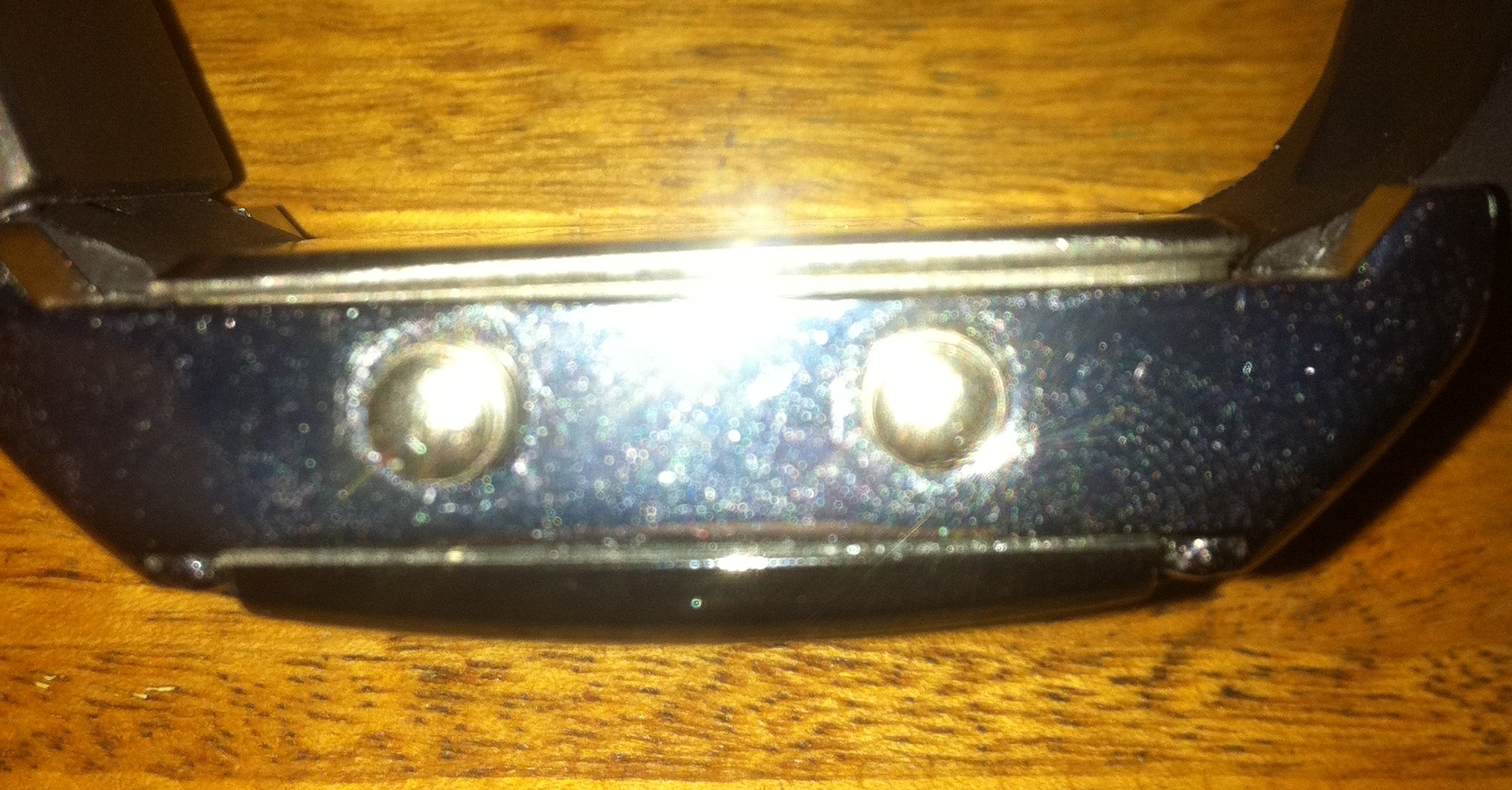
You can see that they’ve decided to mount the LED backlight directly behind the screen, so it lights up a single spot. It’s also a multi colour LED, which flashes in various colours, because that’s cool.
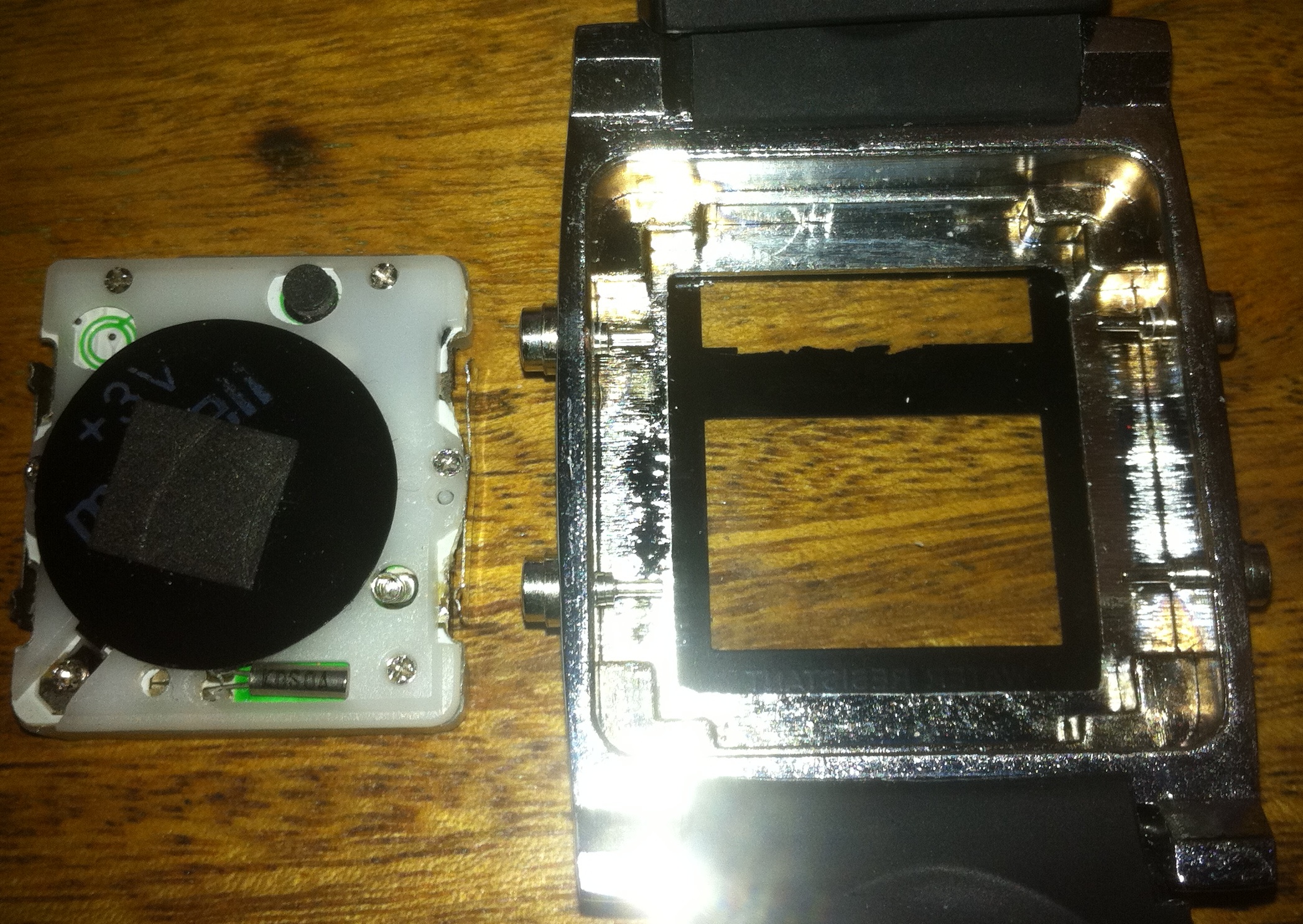
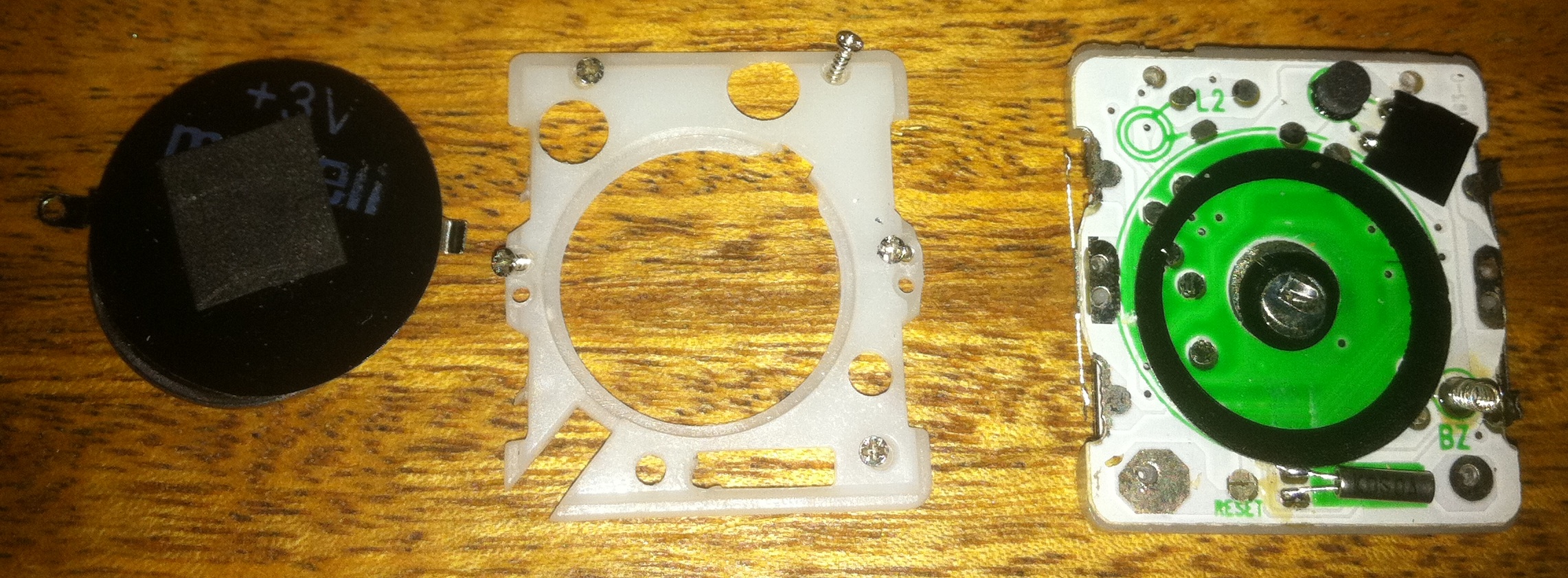
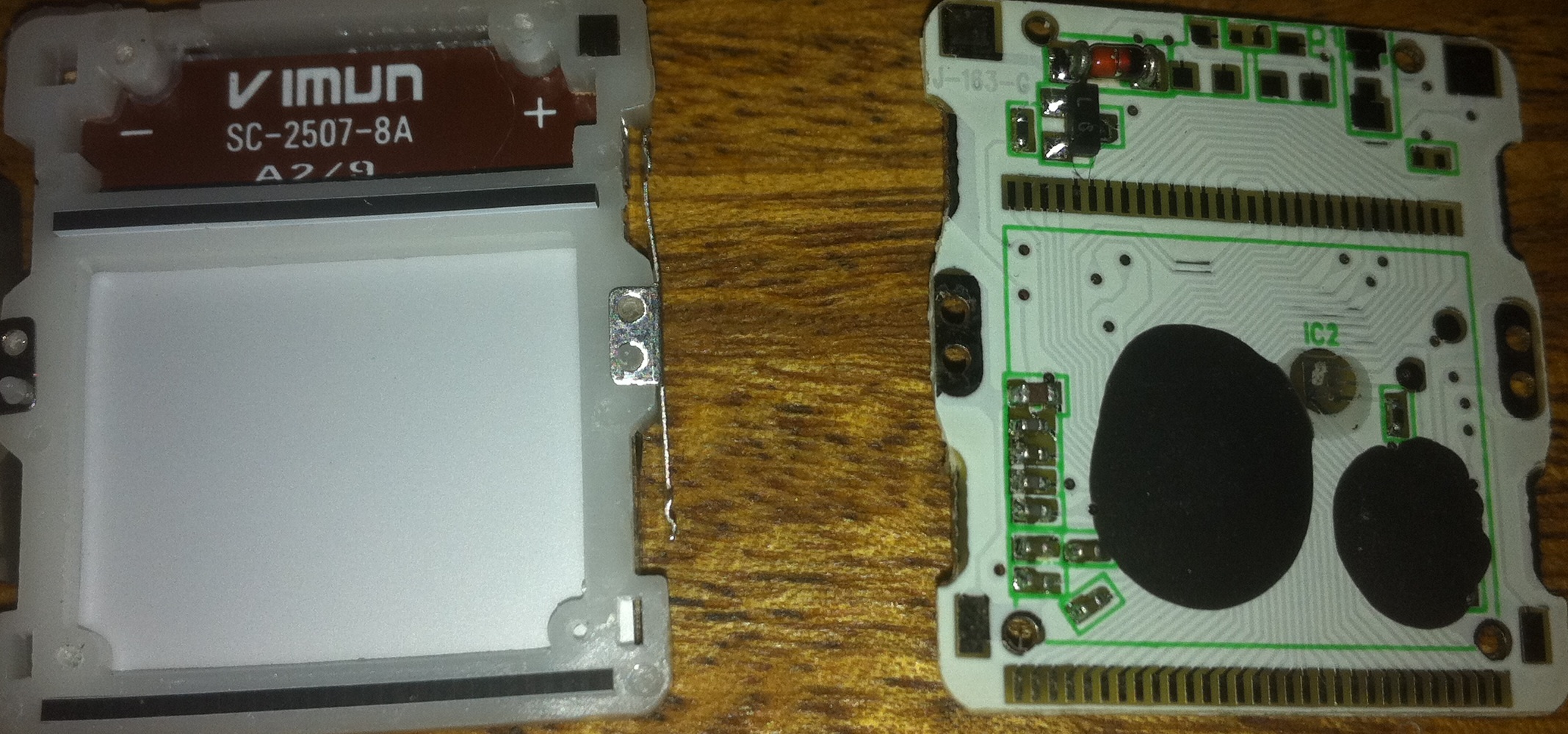
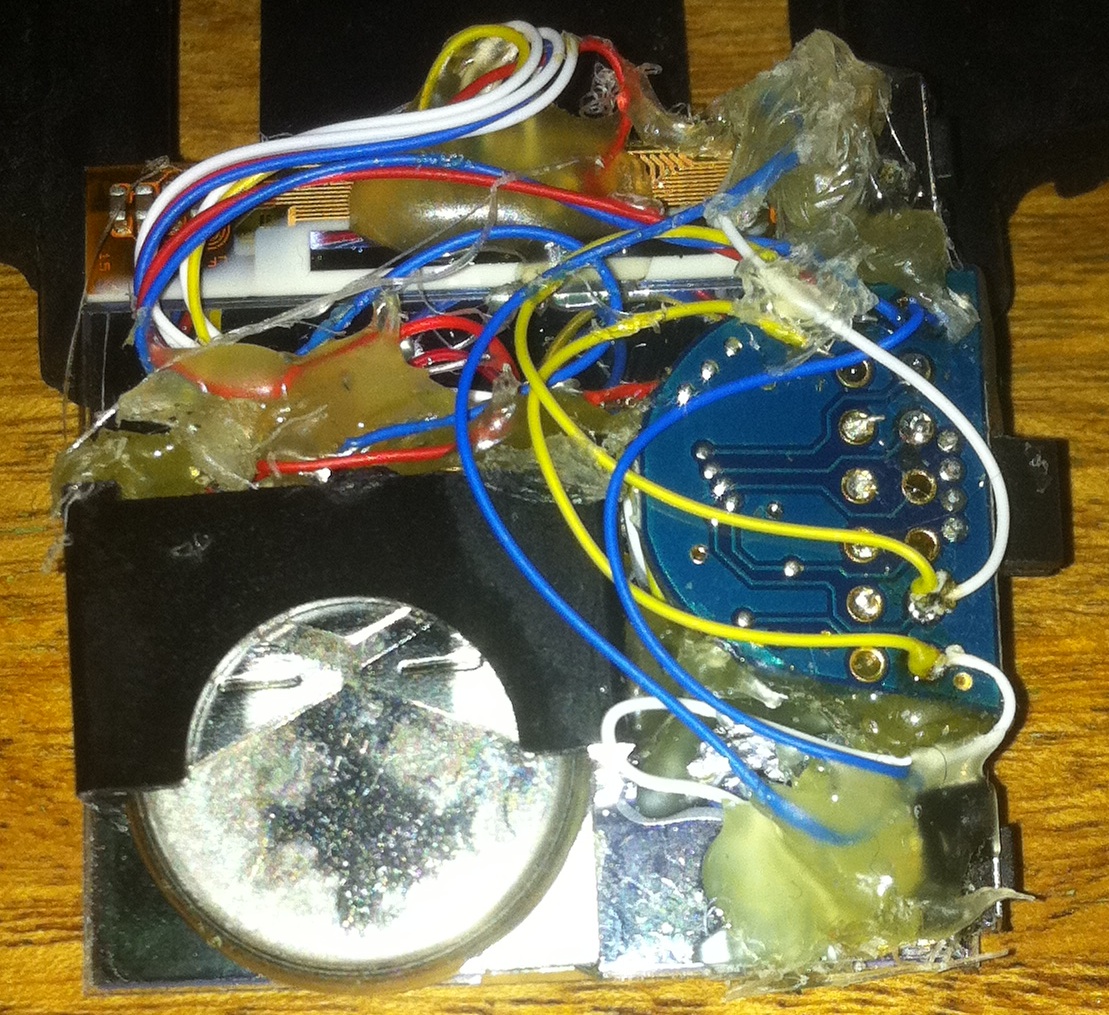
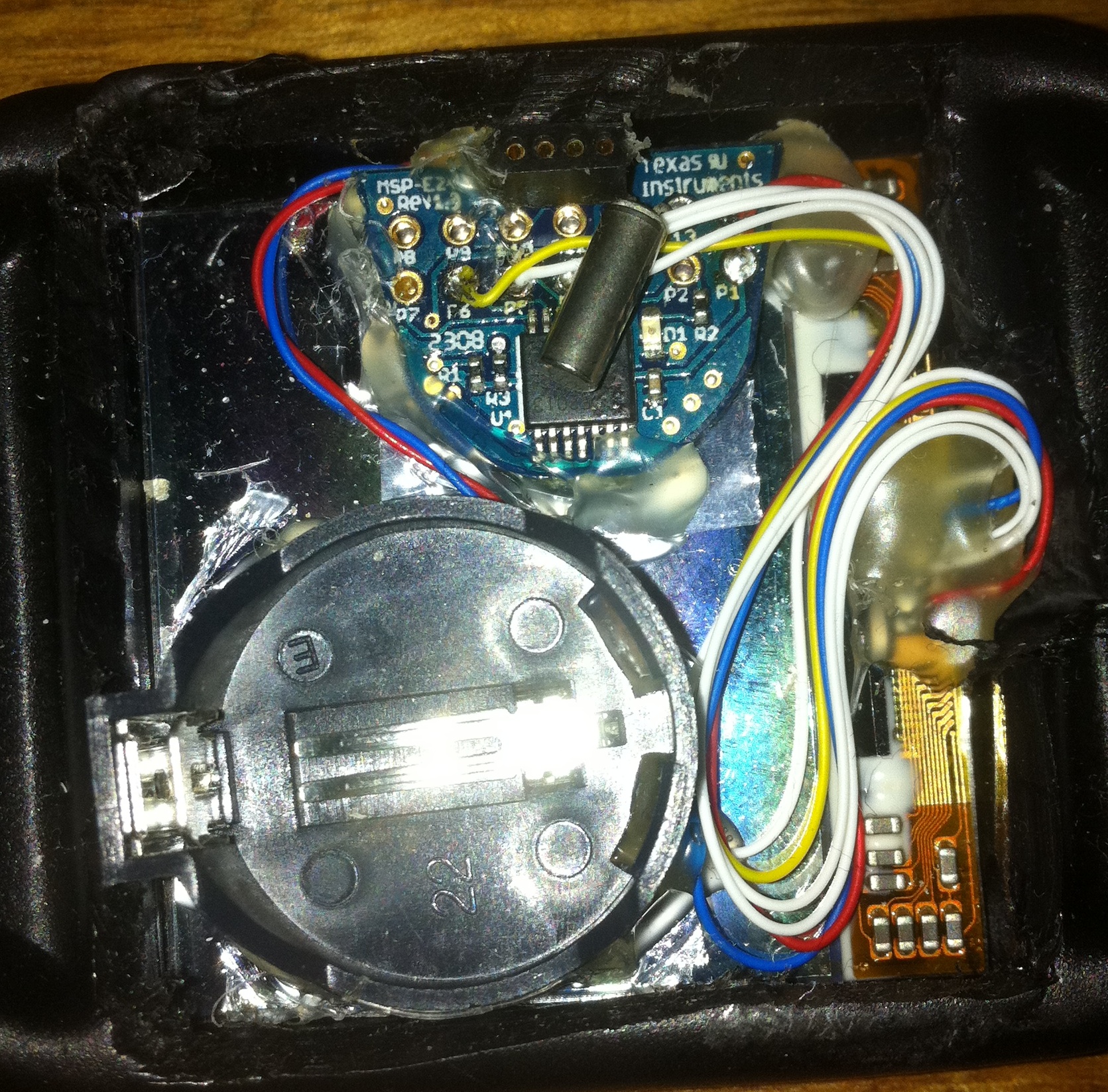
Here are some internal pictures:
You can see that the Solar cell only has one terminal connected… I wonder if that can possibly work….
I always find it a shame that the ICs are buried in epoxy, I always have the urge to find out what’s under there. Perhaps I need an acid bath and a microscope…
I don’t know what is it about watches, but I find them very cool. But I’ve never seen a watch with the exact feature set I want. Obviously it should display the time in binary, it should allow me to do arbitrary computation on by wrist, display important prescient information about my life, and… I don’t know… allow me to communcate with aliens or something.
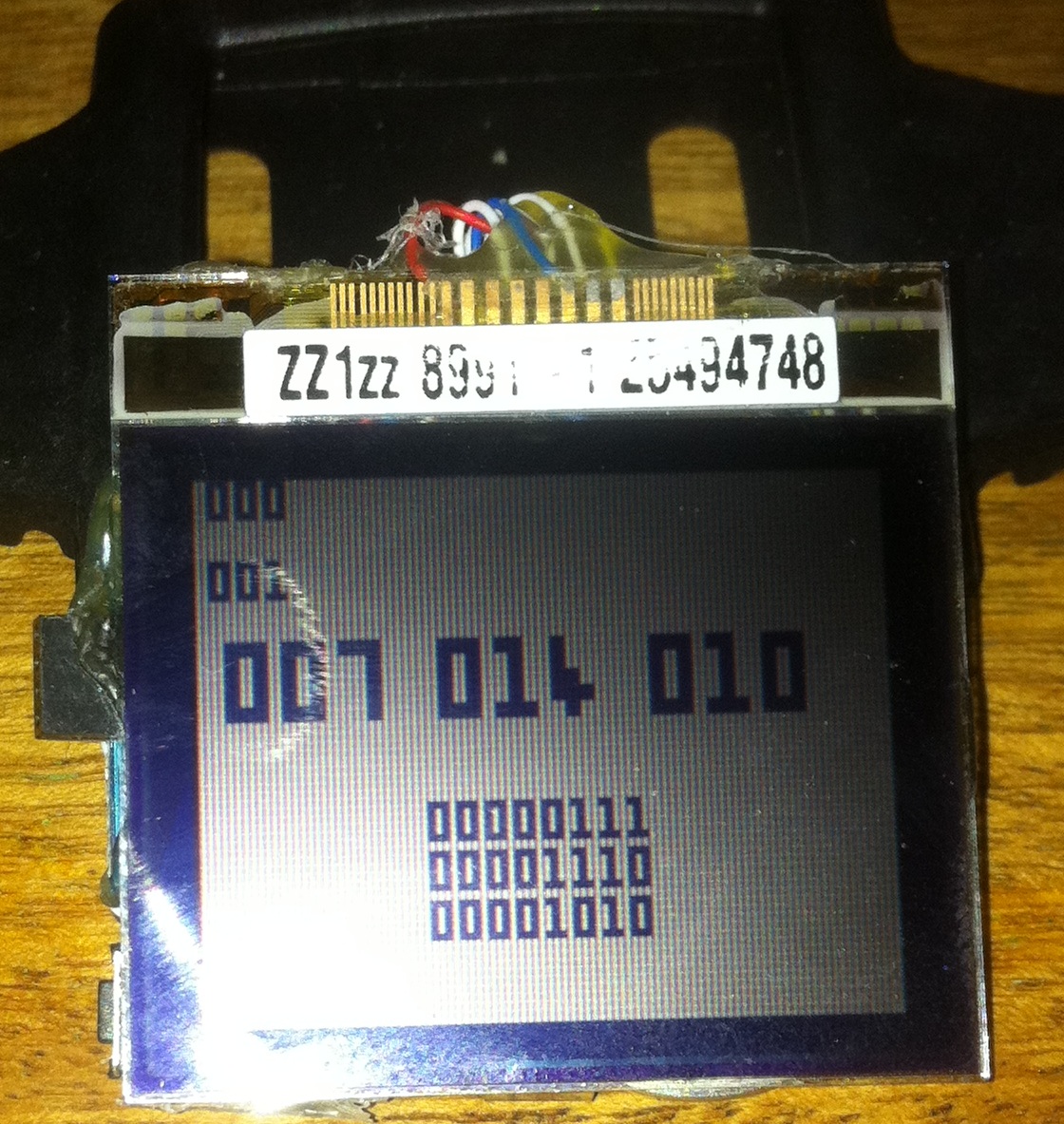
Anyway I was inspired by the msp430 LCD interfacing code posted on hackaday ( here ). And decided to try and put together a watch. It’s based aroudn the eZ430 development board, uses a CR2032 as it’s power source and has a couple of button switches and a 32.768kHz to allow it to keep accurate time. The display is from a Nokia phone. It’s used in the “6010 3595 3560 3510i 3530” at least that’s what ebay seller told me.
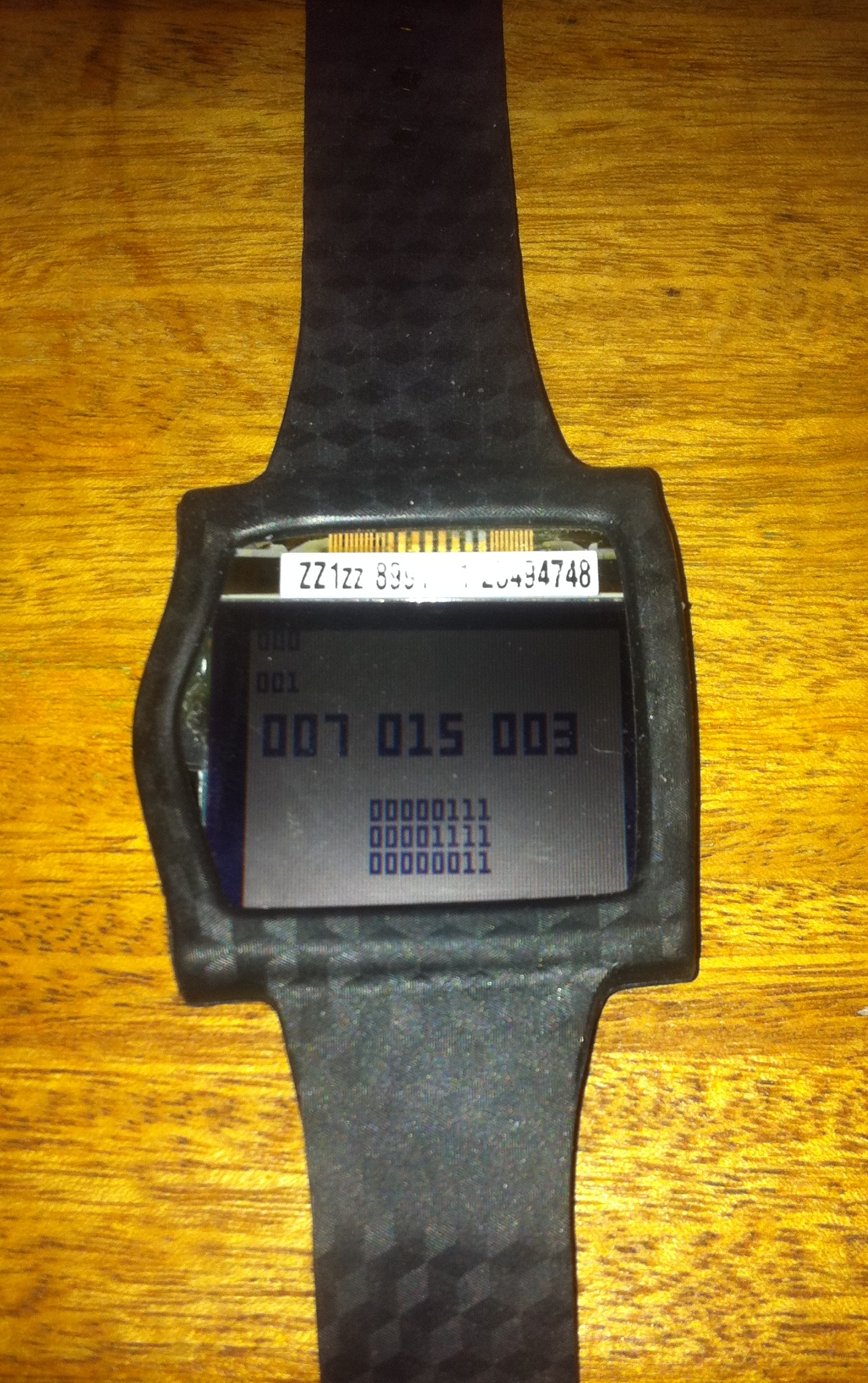
The code is written in C, and is included in a tarball at the end of the post. The completed unit fits inside a iPod Nano watch case:
This is what it looks like running:
Out of the case:
PCB (absolute mess):
A different PCB (slightly less messy):
It’s pretty big, but here’s how it compares to the Suunto core. It’s actually a little thinner (but a lot more delicate, and a litte… squarer).
Eventually it would be nice to get it to display alphanumeric data, text messages, alien transmissions etc. Unfortunately it’s a pretty tight squeeze on the msp430-2013. I can just about get a character set to fit, but have to miss out various other bits of code… like the code that clears the screen. I wonder if I can move the code to a larger 430… Currently the msp430 runs for a few days on a CR2032 using this LCD, not bad, but it would be nice to get it to run longer. I guess I should be able to put the msp430 to sleep, or clock it down, but I wonder if it isn’t the LCD that’s using most of the power.
Alphanumeric test:
Scrolling “Hello world” text, I’d like it to display something like this eventually:
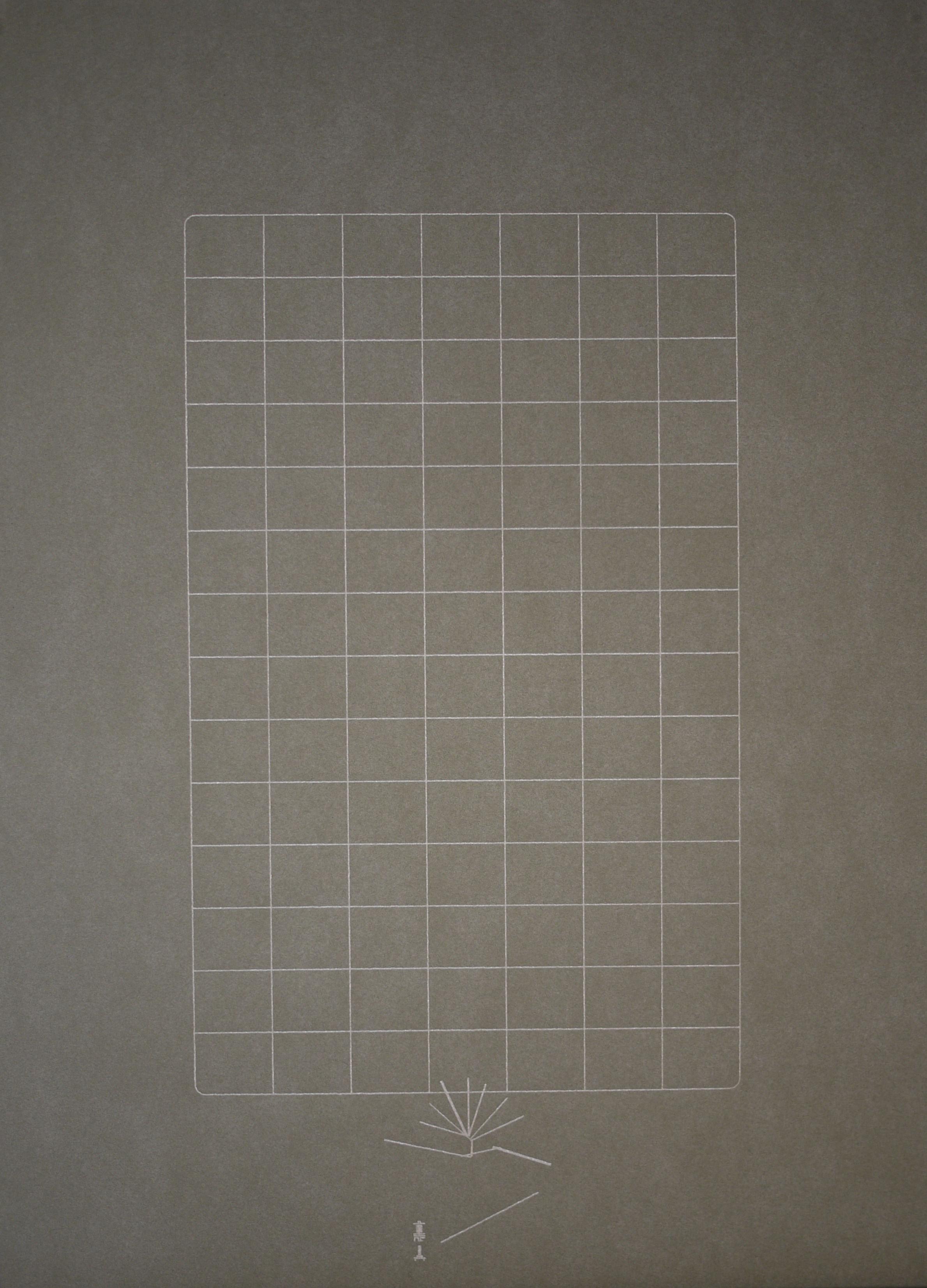
I wanted to post some pictures of the paper my girlfriend bought me in Kyoto at a very cool little stationary shop. It’s laid out in a beautifully watermarked grid. It’s the kind of paper that makes me want to learn more Kanji, just so I can write beautiful letters.
I also found it ironic that I went to every stationer I could find in Oxford and couldn’t find paper anywhere nearly as well designed. Oxford, which is supposedly one of the literary capitals of the western world… Ho hum.
My name is Nava Whiteford. I’ve worked for a few sequencing companies. I have equity in a few sequencing companies based on my previous employment (I try to be unbiased in my posts). You can contact me at: [email protected]



 RSS
RSS