The video above shows my test tentative experiments using the Axopatch 200A and a micropipette pulled using the Sutter P-97 as I described yesterday.
I used KCL diluted to ~100mM and sucked the solution into the pipette using a syringe. I didn’t have the correct tubing and pulled the sheath off a piece of silicon sheathed wire. It seemed to work ok. Drawing fluid into the pipette wasn’t easy I think I either have the wrong clamp for the pipette or perhaps it needs some PTFE tape to seal it.
Anyway, it appeared to more or less work and I could vary the current through the solution by changing the bias voltage. This is all I wanted for a first test and I now have a short list of bits and pieces I’d need to acquire to go further.
Today I tried out the pipette puller I picked up a few months ago. I figured it might be non-functional or need a new filament at least. But it seems to work well, a bargain considering I picked it up for a few hundred pounds and it goes for much more on eBay (and cost a few thousand new I believe).
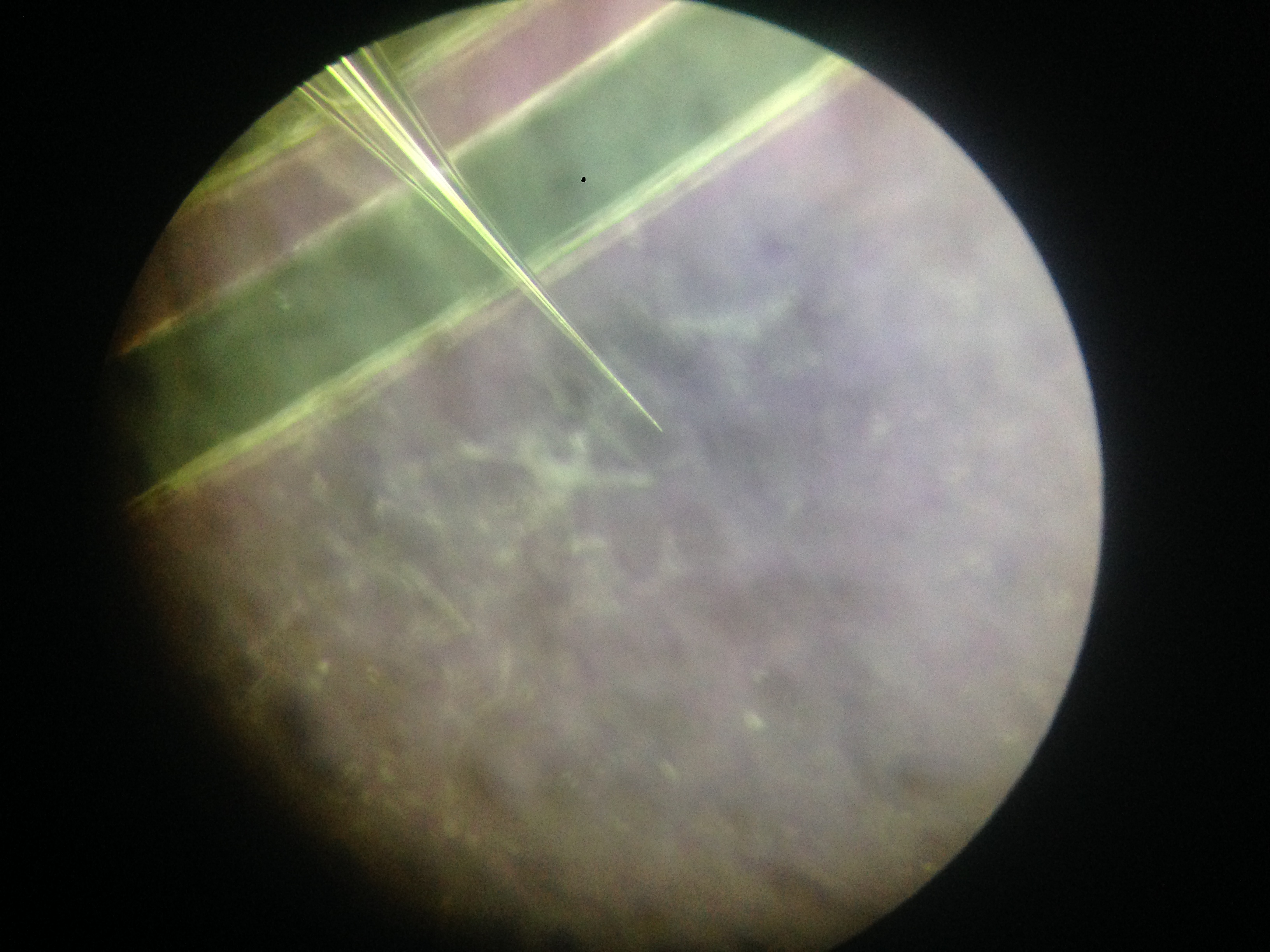
Anyway, I could successfully pull pipettes as shown in the video above and pictured below. Next I might try some ionic current experiments to characterize the aperture.
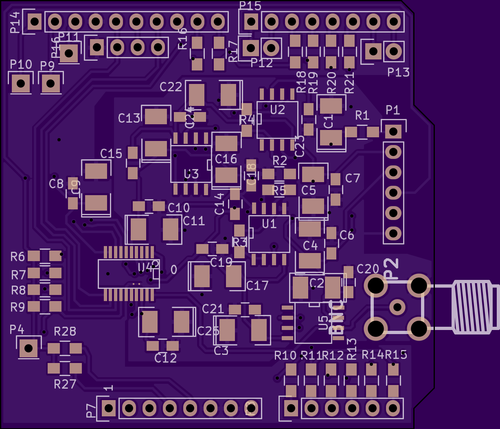
The previous revision of the AD5791 board worked well, however after reading this analog whitepaper on the ad5791 I decided to change the routing. I split out the ground planes so the board is more clearly divided into analogue and digital sections now. I really need to figure out how to correctly measure the noise on the output, but at some point it would be useful to benchmark the designs for noise. As always Kicad files and gerbers are linked below:
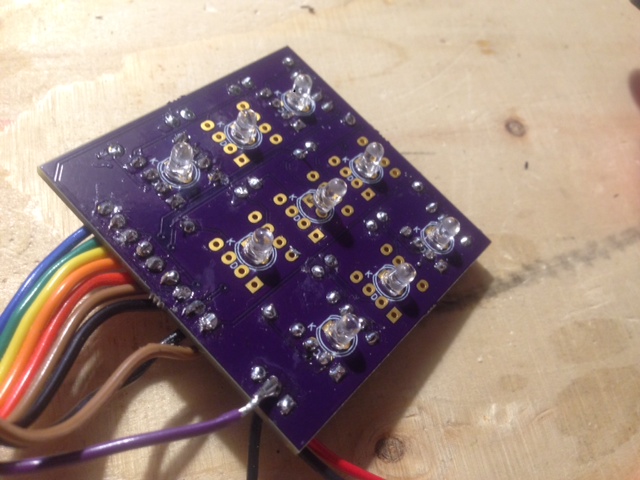
It’s 3am what better time to fiddle around with photodiodes! I received the photodiode array boards today and decided to have a quick play around. With a 10M feedback resistor they’re only outputting about a volt, this will work but the OpAmps have 12v rails so I might change the feedback resistor at some point. Too quickly test the board I soldered 4 of the Opamps in and wired the output directly to some LEDs, later I’ll look at acquisition options, including the 8 channel ADC board I’ve made. For a demo and some rambling see the video below:
My name is Nava Whiteford. I’ve worked for a few sequencing companies. I have equity in a few sequencing companies based on my previous employment (I try to be unbiased in my posts). You can contact me at: [email protected]
 RSS
RSS