Thoughts on Writing for Hackaday

pen
For the past few months I’ve been writing for Hackaday. There are two types of article on Hackaday, the regular daily reports of user submitted projects and featured articles. I’ve wrote a few of both, but have mostly been sticking to featured articles recently. It’s been an interesting experience, and has providing an insight into the dynamics of a high traffic blog.

tape

Tape – fascinating stuff you know!

In some ways I think I’m not a particularly good writer. I choose subjects based on whether I find (not the reader) them interesting or not. An case in point is my last article on adhesive tape. I’m basically interested in tape, different kinds of tape, how I can better use it in my lab and its sometimes surprising physical properties (did you know tape lights up in the dark?). I figured it was reasonably unlikely that a large number of people were also interested in tape… surprisingly though the article did pretty well.

From a blogging perspective I think this is a poor strategy though. I actively avoid writing about current events, which would most likely gain me far more comments (which is how I evaluate the success of an article). There are a few reasons for this… The first is that I think it’s unlikely I’d have anything new to add, I’d just be repeating what I’d seen elsewhere and adding my own viewpoint. The second is current events rarely interest me, N=1 incidents such as Ahmeds clock I find mildly infuriating as I see an incident take on meme like properties low on information, but high on speculation and supposition. The same can often be said of technical advancements, when only a press release is available the void is often filed by opinion and imagination.

Another great way to prompt a response from the reader is to put forward a contentious opinion. I also tend to avoid this. I think because I’m mostly a live and let live kind of guy (or to put it another way, I don’t like to be told what to do). So I prefer to try and somewhat rationally layout the pros and cons.

mims

Forrest Mims

Sometimes I get drawn into controversy unintentionally though, like in an article I wrote on Forrest Mims. Forrest Mims is pretty well known for his electronics books and articles, but less well known for some of his scientific publications. The fact that he’s made a concerted effort to publish his amateur science efforts in peer reviewed publications I found really interesting. I searched around for other people how had done the same thing and basically came up empty. So I wrote an article on his use of LEDs as light sensors and the article he wrote with his daughter on fungal spore migration. I had no idea what a shitstorm that would turn into.

Thing is, Mims isn’t a huge fan of evolution or climate change and he’s a somewhat hardcore Christian. I carefully avoid those issues when writing the article because I didn’t think his personal beliefs were relevant. In fact by mentioning them I would only be further his ends, because Mims has sort media attention on these issues in the past.

So I was hoping to put those issues to one side, and talk about the science and technology. Dave Jones (of eevblog fame) is pretty vocally anti-religion, but when he interviewed Mims on the Amp hour I was impressed that he was able to discuss his scientific and engineering work without getting into the “whole religion thing”. That wasn’t the case for this, I thought relatively innocuous, article. The comment thread turn into something of a literal religious war. The article attracted 139 comments, more than any of my other articles.

As I said before, I’m not one to try and write articles that people actually want to read… but if I was I take this as a sure sign to write controversial articles like this and generate “more heat than light” arguments. I wonder if commenters are aware of this dynamic…

There’s a lot more I could write on writing, and what an amazingly a painful process it is for a compsci/engineer like me, though a hugely valuable one. But I think I’ll leave it at that for now. Look out for more posts in the future!
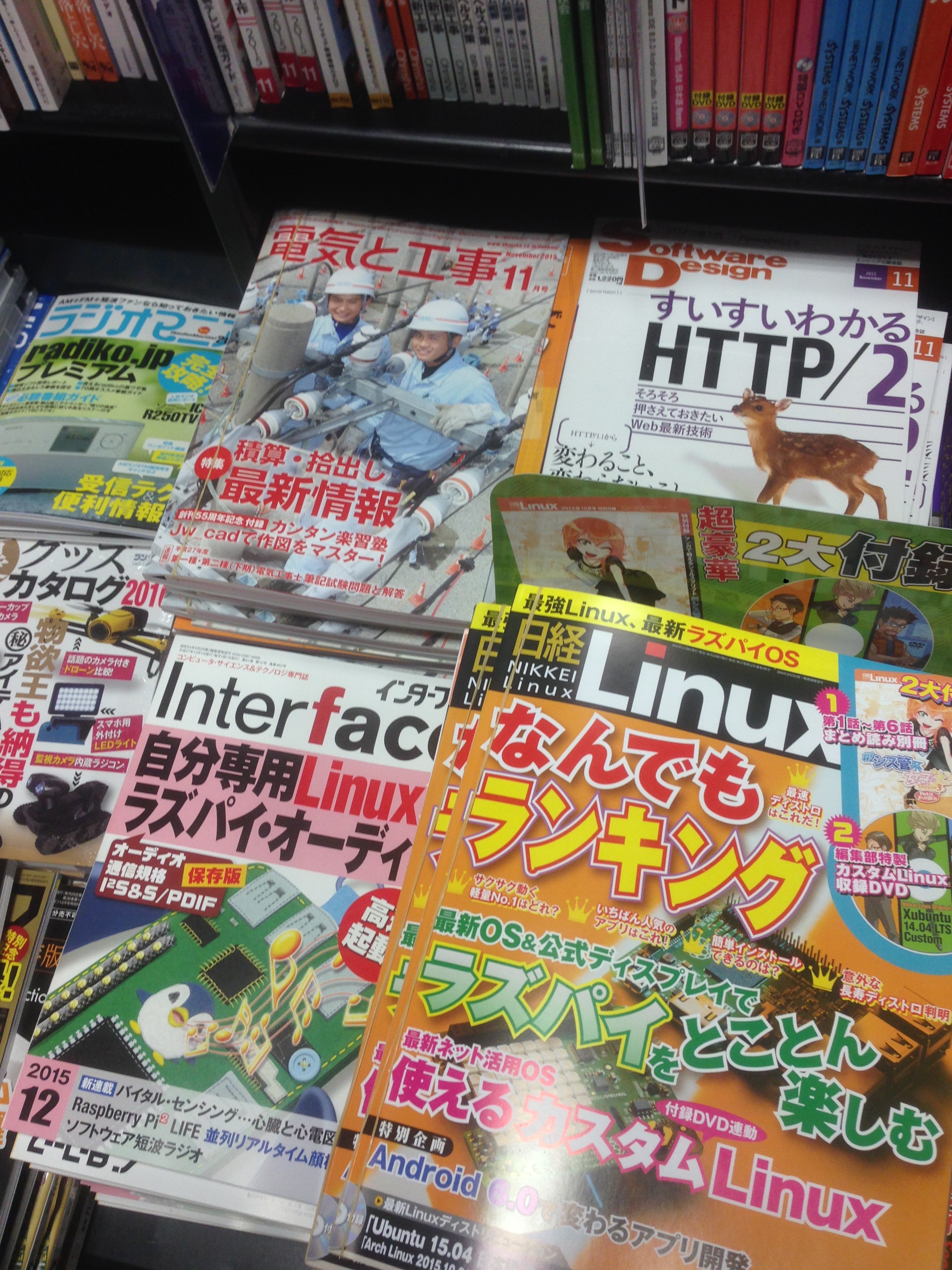
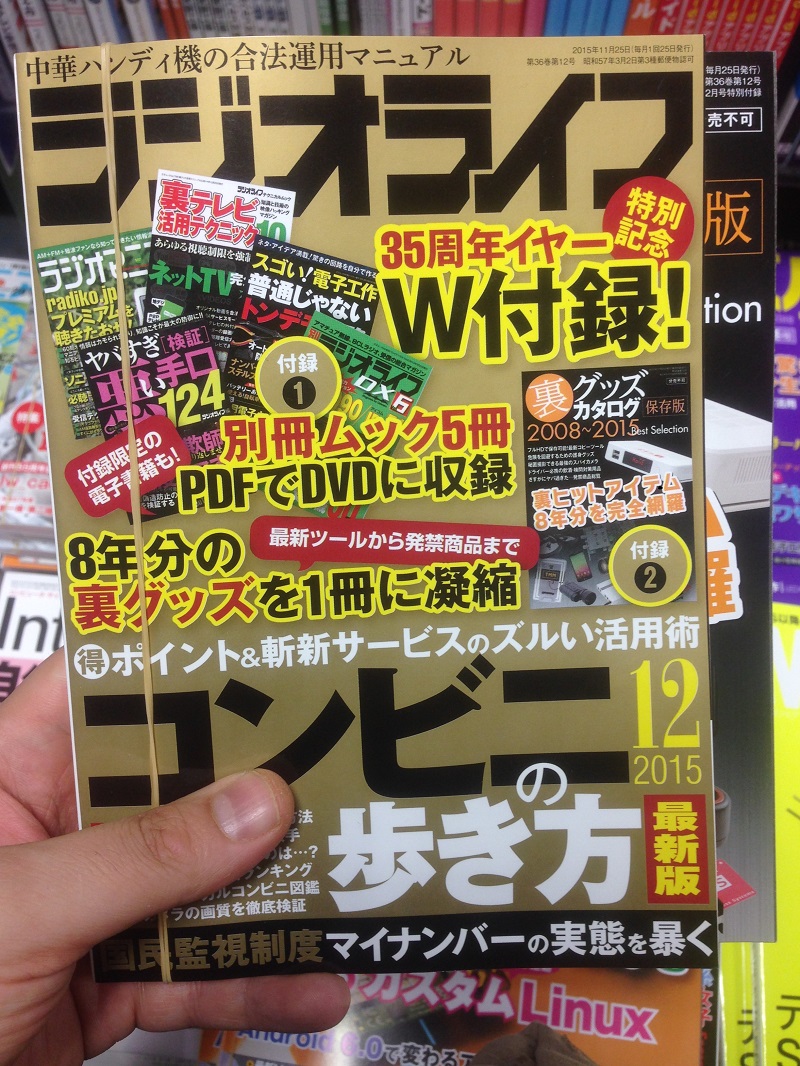
Hobbyist Tech Magazines in Japan

IMG_2143

Radio Life

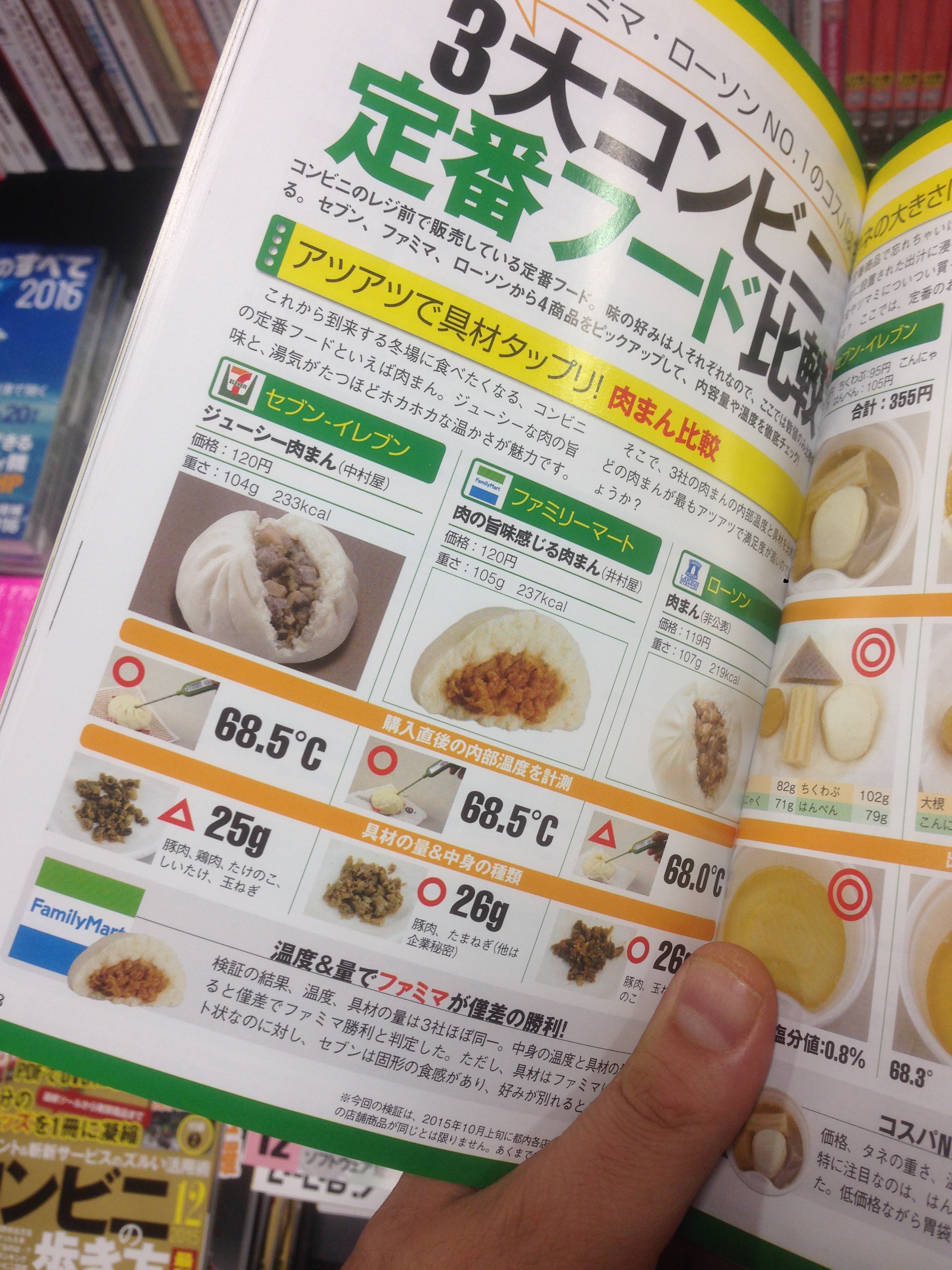
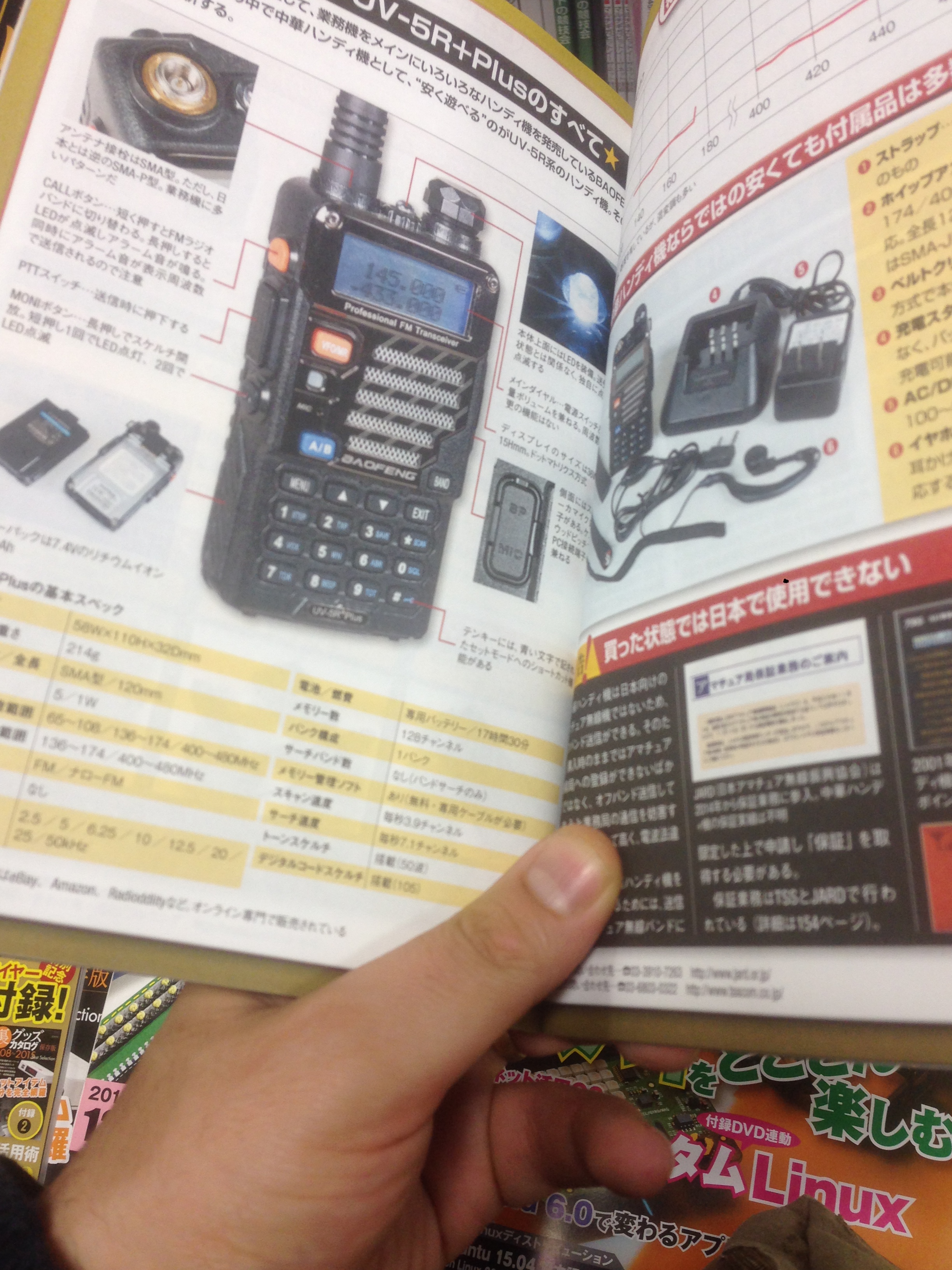
IMG_2140Radio Life is somewhat unique, I suspect Radio life was originally purely a ham hobbyist magazine. Over the years, and I assume with a decline in ham radio, radio life seems to have morphed into something quite different. While the magazine still has a strong focus on ham gear it also features articles such as the one shown below reviewing meat dumplings (nikuman) sold at convenience stores. Being the geek publication that it is, the magazine uses thermal probes to measure the internal temperature of the meat, as well as weighing the meat content. This is fairly typical of Radio life, and there’s usually a feature on some household or convenience food, examining the item in excruciating depth.

Radio Life is also tends towards the greyer side of hacking having featured articles on hacking pay TV, the best chinese anime steaming stes, and reviews of popular porn sites. It’s a bizarre, and unique publication in Japan.

IMG_2141IMG_2139

Nikkei Linux

samba

Samba, confusing in any language

For the most part Nikkei Linux is a pretty standard Linux magazine. However it does have a magazine twist, featuring Linux based education Manga like the strips on Samba shown to the right. The girl here is saying “let try our best or configure Samba”… I know that feeling…

sudo

Sudo denied!


Interface

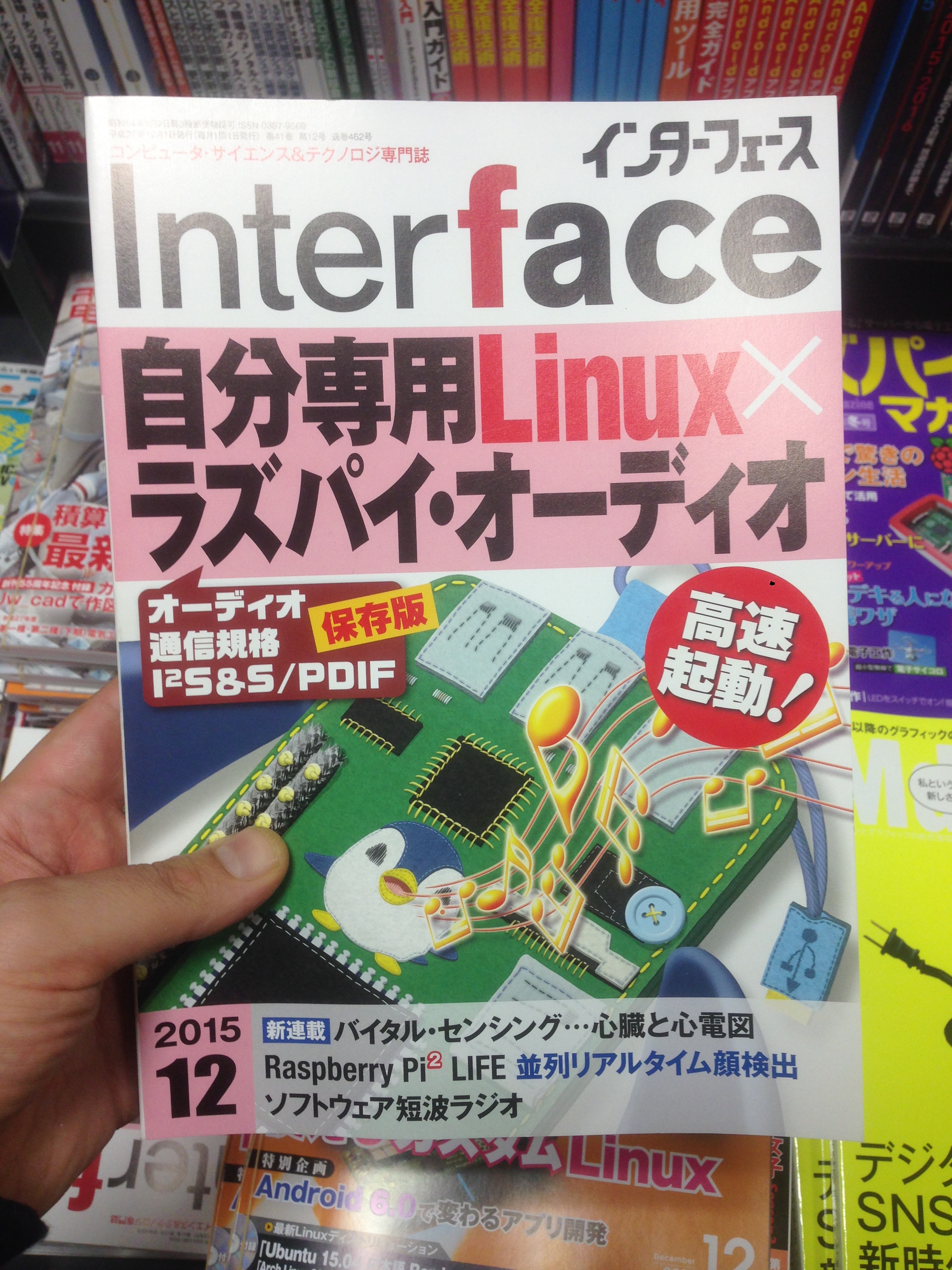
IMG_2137Interface caters mostly for the digital electronics crowd. Compared with many publications it’s pretty hardcore. Featuring embedded systems programming, and digital electronics. The Raspberry Pi has taken Japan by storm (exclusive Raspberry Pi publications are also available), and this months Interface featured the Pi in depth. Previous issues have featured other microcontrollers, including those only generally found in Japan (like the SH3). It’s an interesting magazine, but with a heavy digital focus I find it slightly less exciting than some of the others available.

Transistor

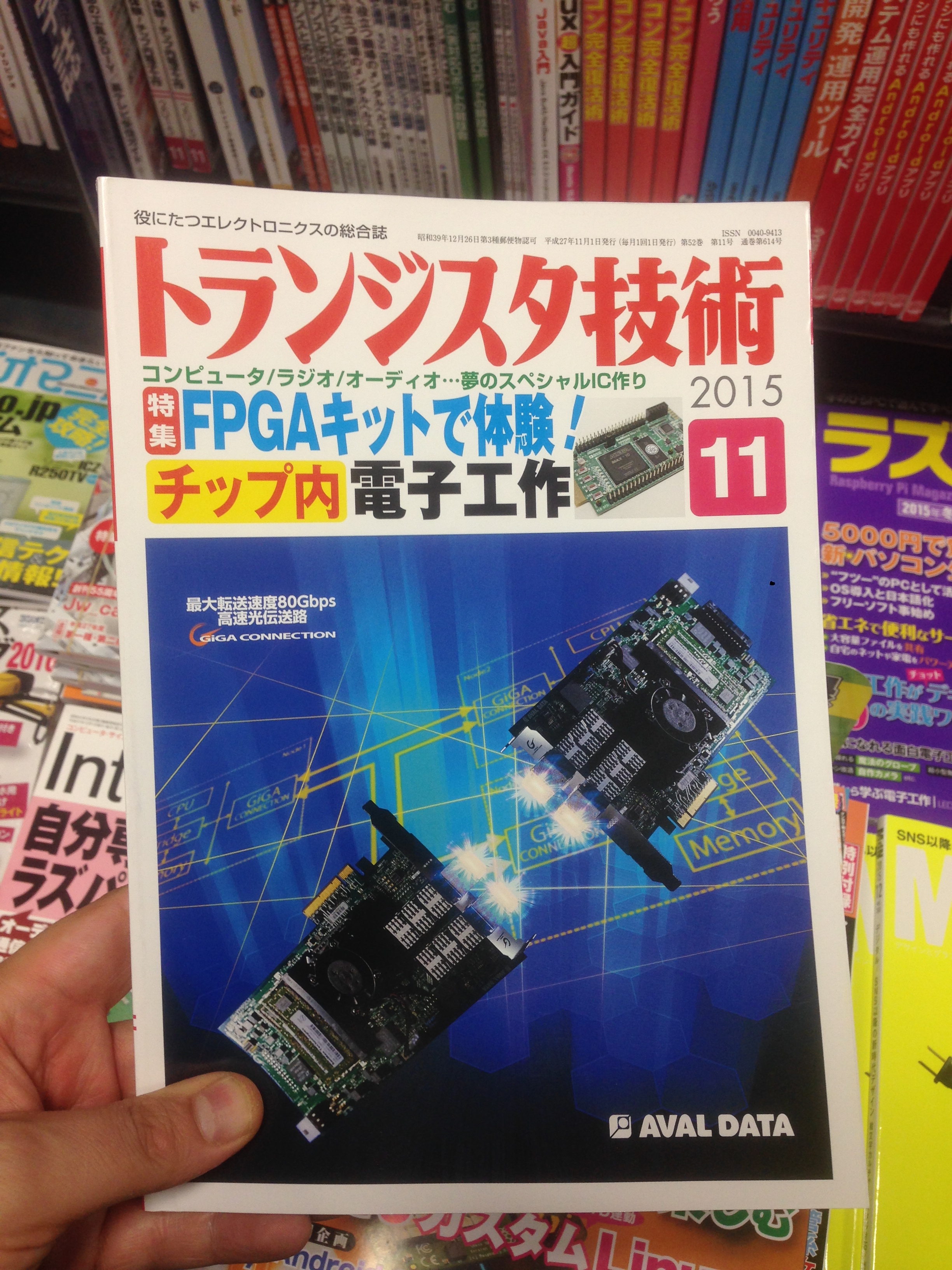
IMG_2138Transistor is just awesome. It’s probably my favorite Japanese tech magazine, and makes me wish I was able to read Japanese to the degree that I’d be able to puzzle my way through the articles. In the past Transistor has featured 50 page articles on NiMH battery technology meticulously benchmarking popular newcomers like the Eneloop and discussing recharge circuitry, discharge rates, and capacity. They’ll also delve into subjects such as capacitor chemistry, and techniques for eliminating noise in analogue systems. This months Transistor was a little less interesting to me as it focused on the digital world, specifically FPGAs. The magazine however covered the topic in its characteristic depth, reviewing all the generally available development kits and presenting tutorials to get the user up and running.


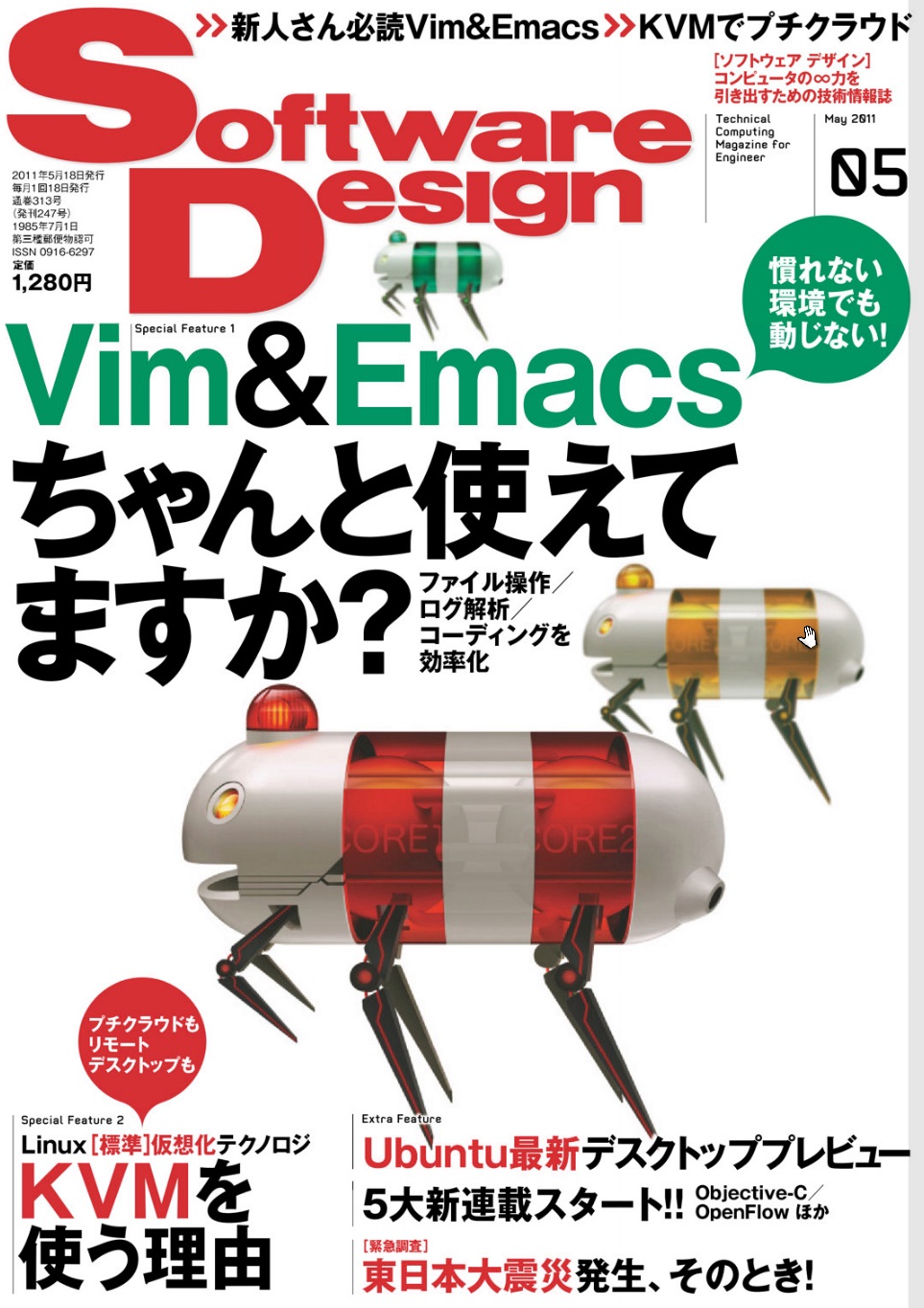
Software Design

softdesSoftware Design is the magazine of the software hacker. The magazine has a heavy focus on Linux and DevOps style engineering. The issue shown here obviously re-ignites the editor wars, but it typically isn’t quite so contentious. For the most part Software Design covers recent trends and techniques, presenting detailed tutorials on getting up and running with containers, deployment systems, or new Linux distros. Somewhat ironically I’ve not really found that it covered programming in depth, focusing mostly on what would more commonly be called DevOps.

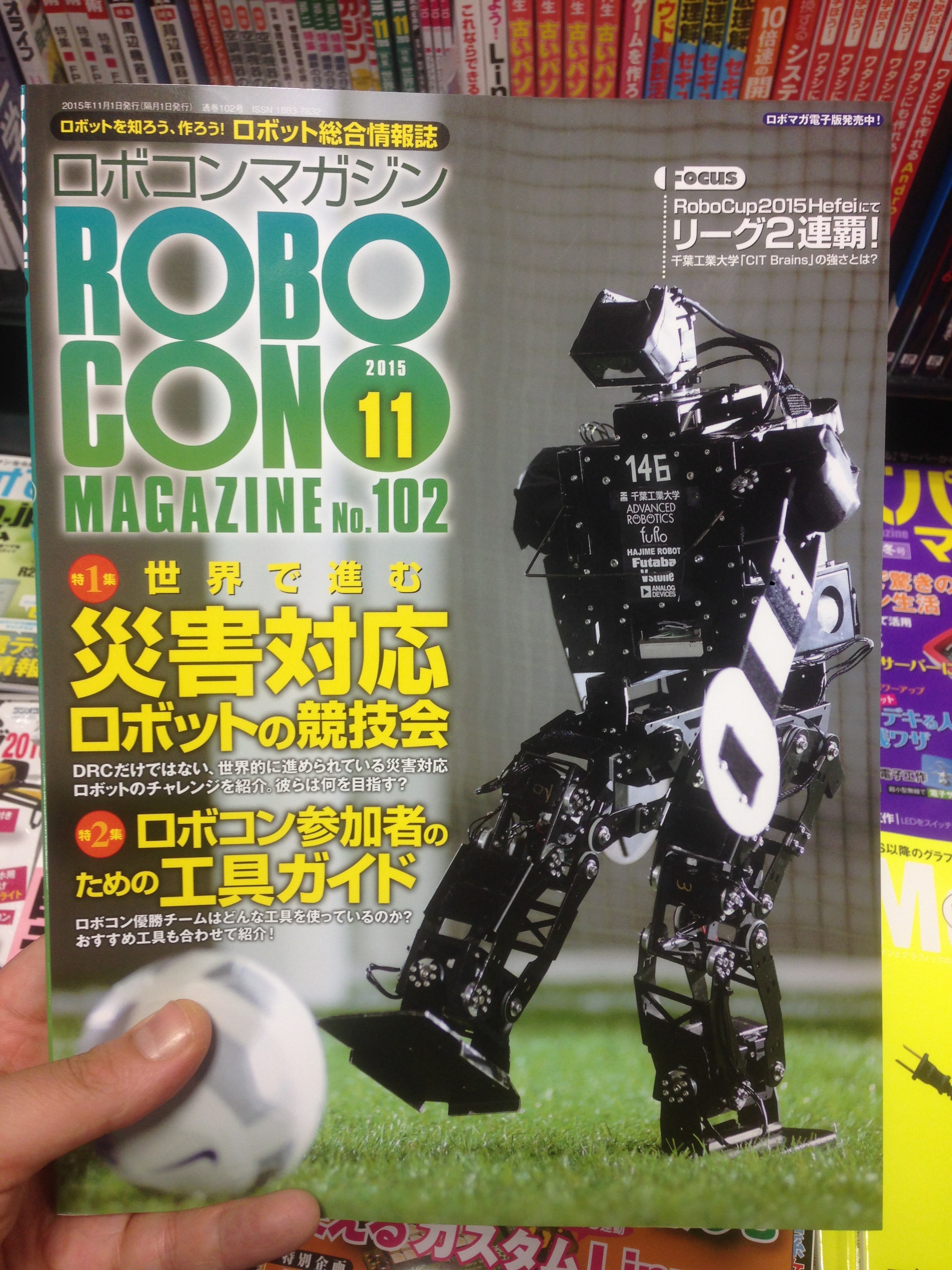
Robocon Magazine

IMG_2135This one was new to me, but I guess a list of Japanese tech magazines wouldn’t be complete without some mention of Robots. These small robots seems to be gaining popularity in Japan with specialist stores popping up in Akihabara. The robot kits cost from 500 to 1000 USD and appear to be pretty awesome. The magazine seems to cover recent events and new develops in the community.

That’s it for this roundup, I’ll try and dig up more of my favorites sometime. One publication I’ve missed is “Hacker Japan”, this covered MIT styling hacking (describing early astronauts as the prototypical hacker) as well as the darker side (like pay TV hacking) and interesting publication, but it appears to be getting rarely recently.

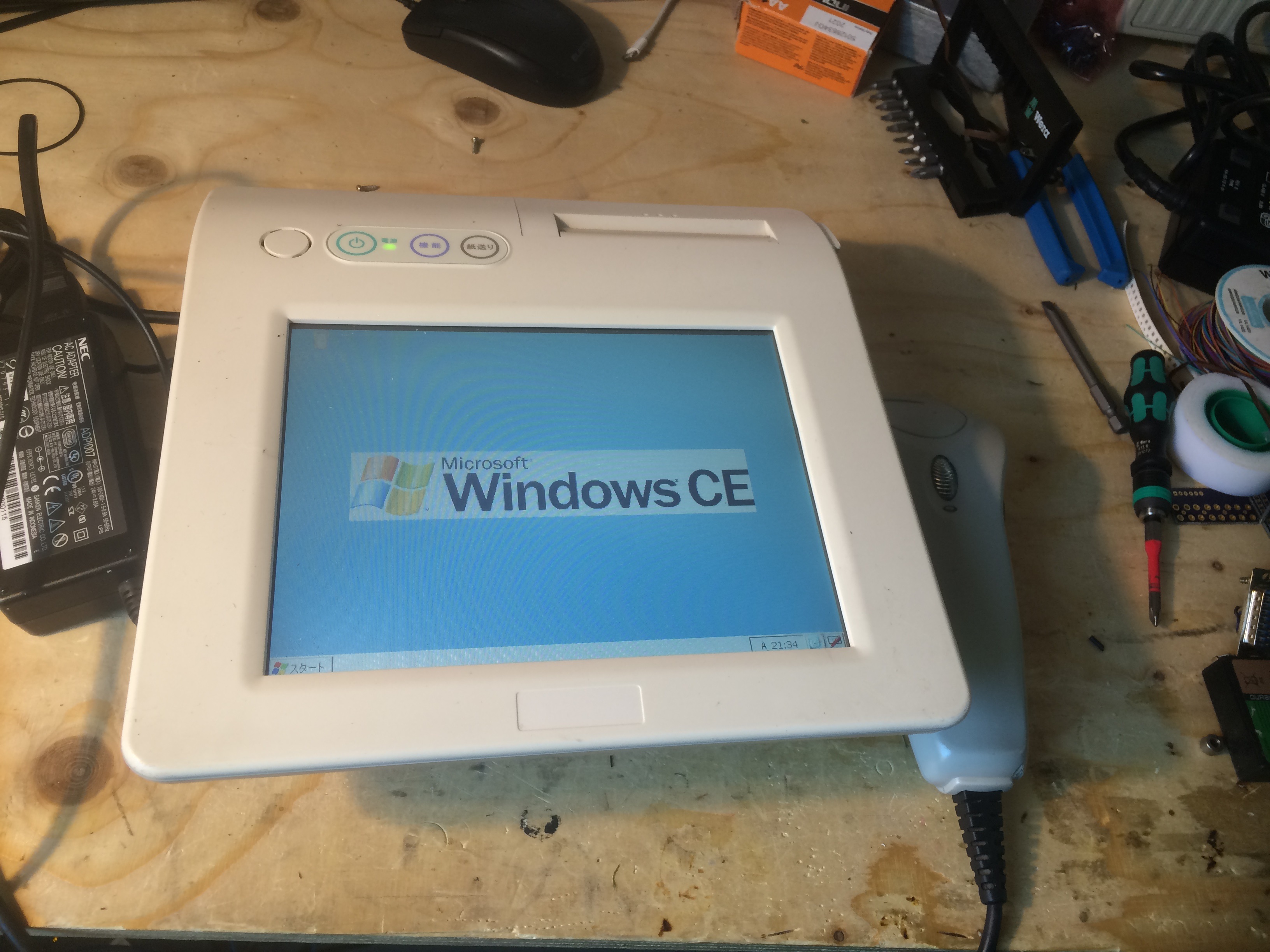
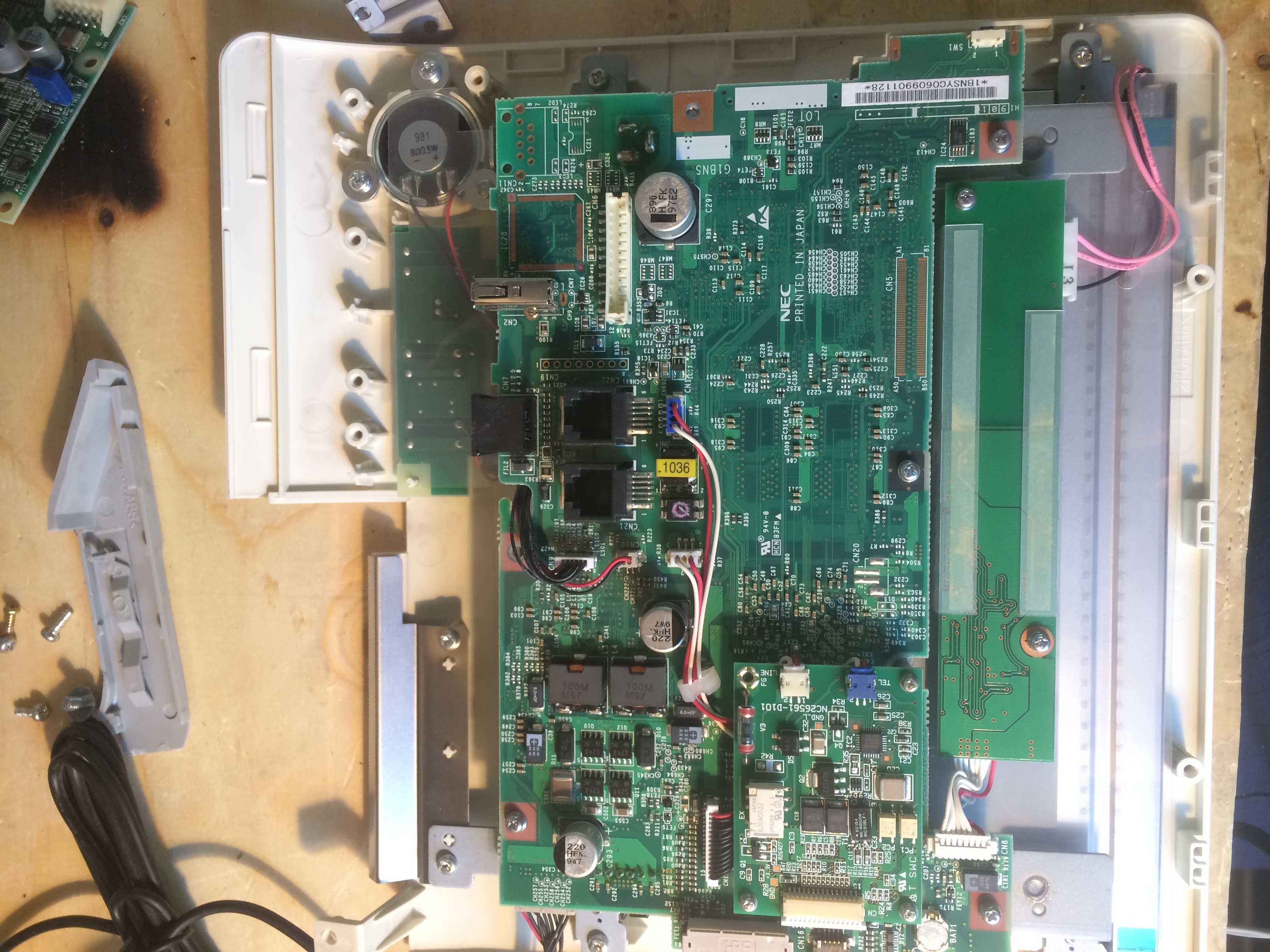
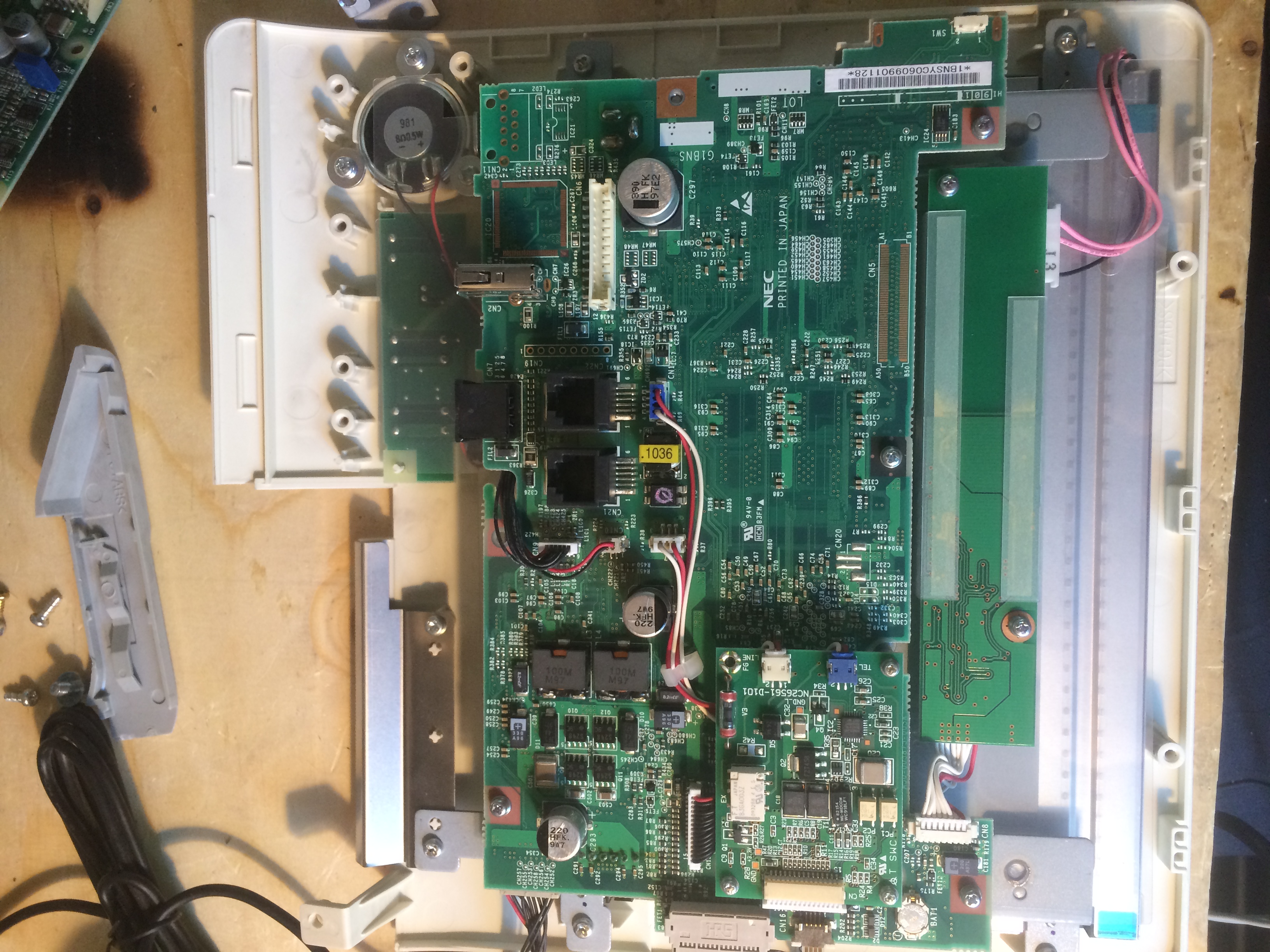
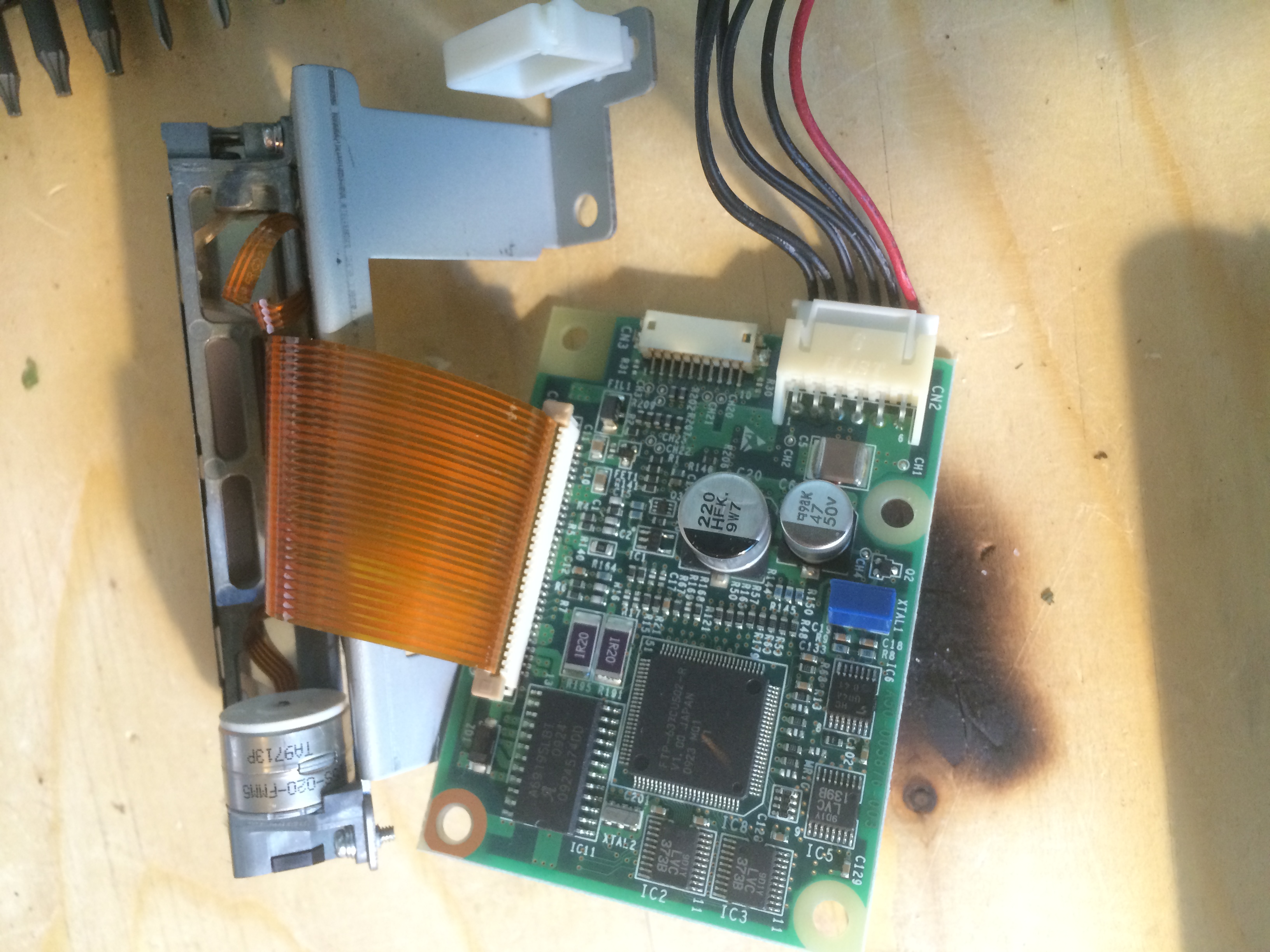
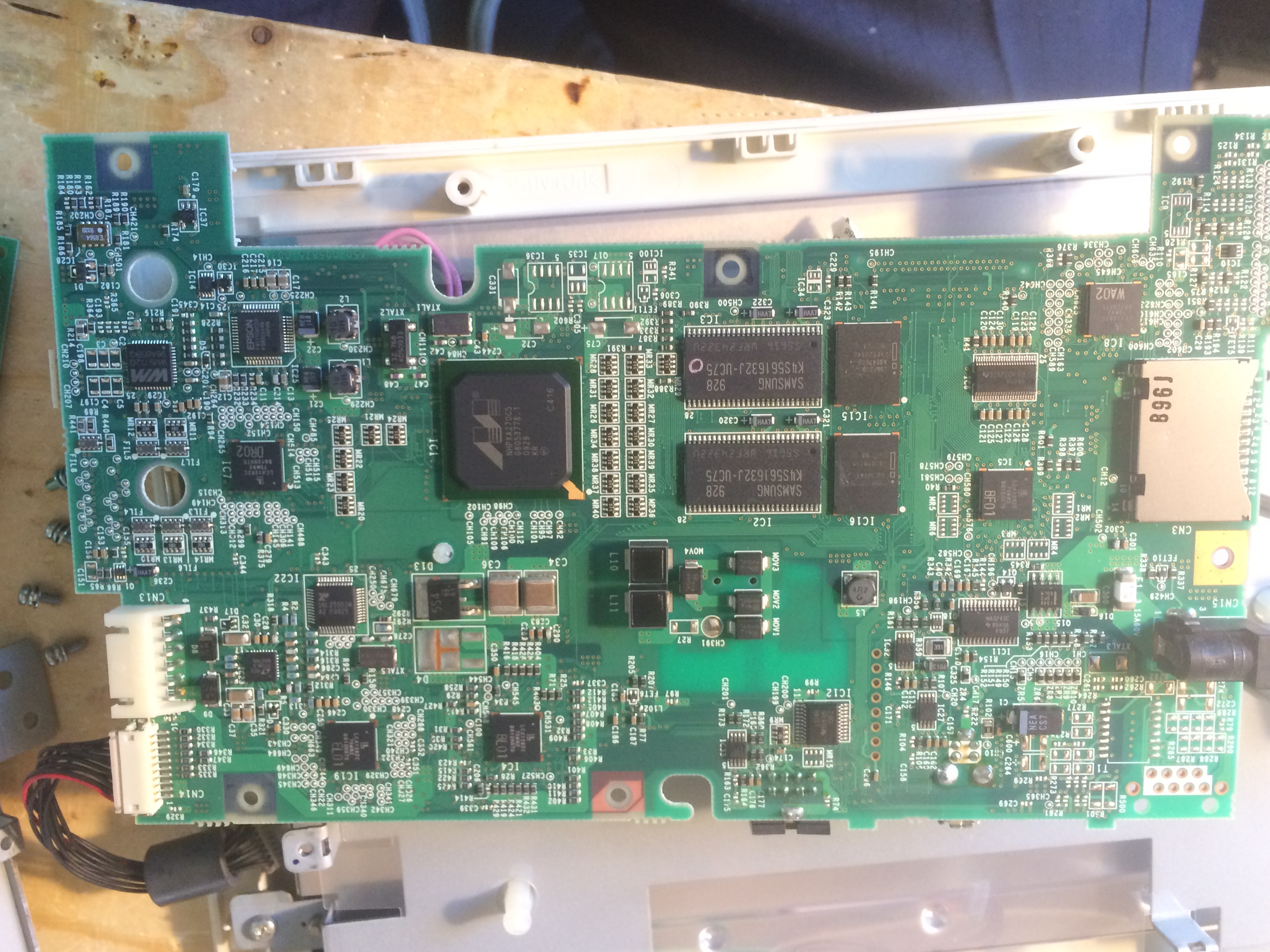
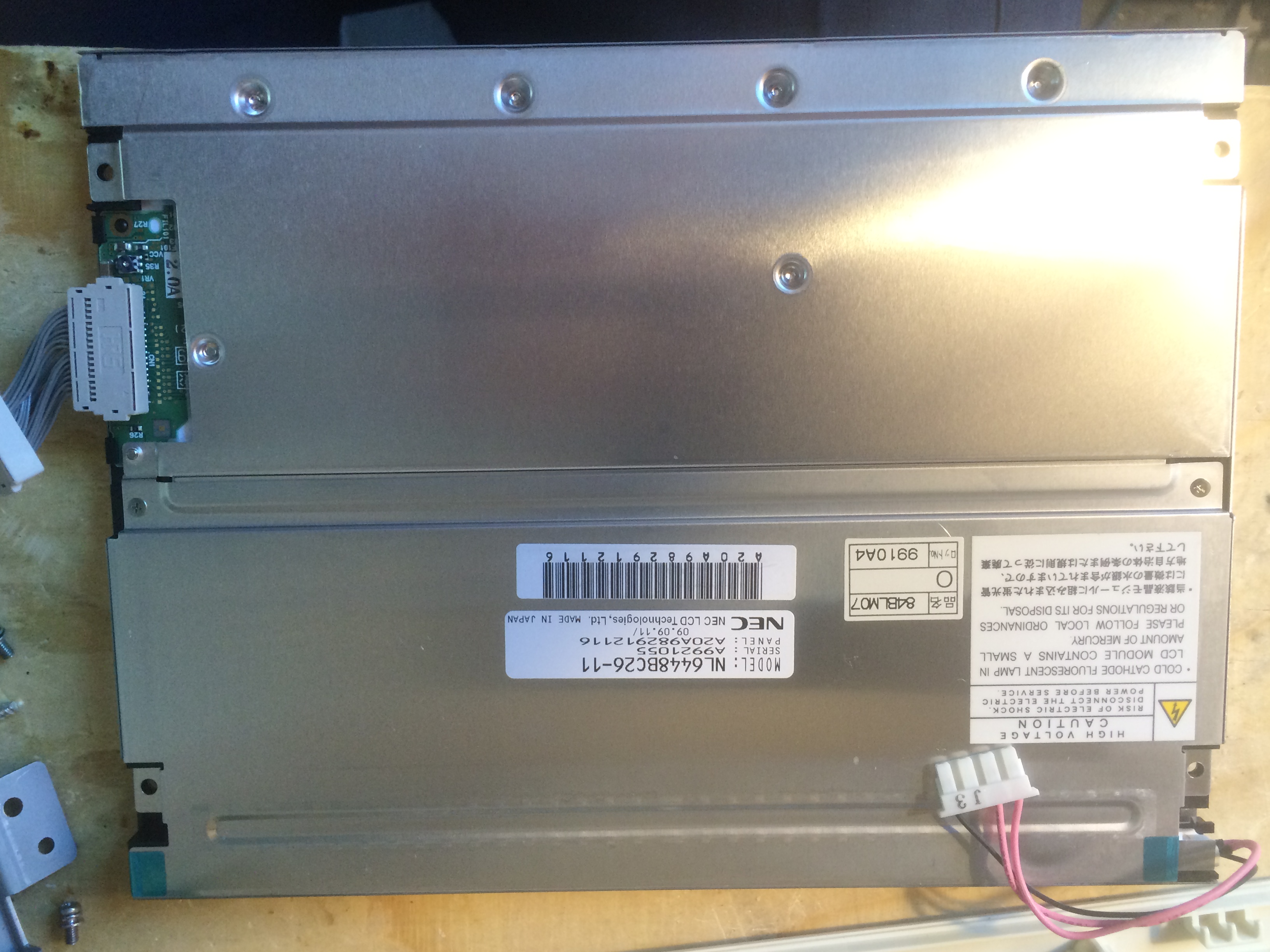
NEC Teledata Terminal Shop Register (TD7)

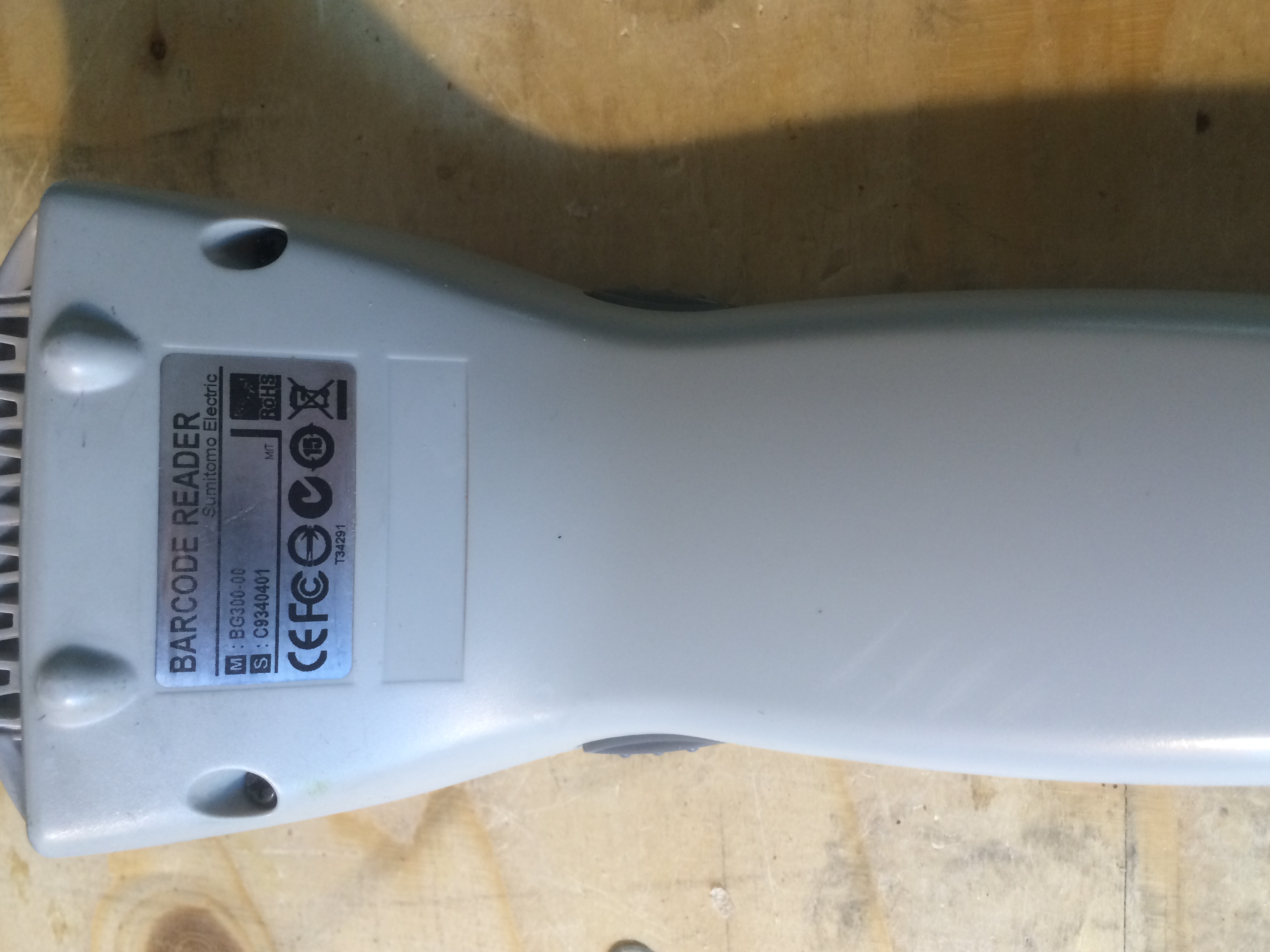
I picked up this shop register for 500Yen (~5USD) in Akihabara the other day. It seems liked a steal for a barcode reader, 24V power supply, thermal printer and Windows CE computer. I figured it would be worth the money for a teardown and to salvage the parts. I’d guess this device is from that late 90s or early 2000s. Certainly WindowsCE was all the rage then. The register was manufactured by NEC and for the most part uses Japanese parts. However I was surprised to see a Marvell microcontroller, Intel flash, and Samsung memory. Rather than the more typical SH3, Elpidia RAM, and Toshiba flash produced in Japan.

An interesting find anyway and some useful parts for the junk bin.

IMG_0050

IMG_0051

IMG_0052

IMG_0053

IMG_0054

IMG_0055

A 1960s Japanese Telephone

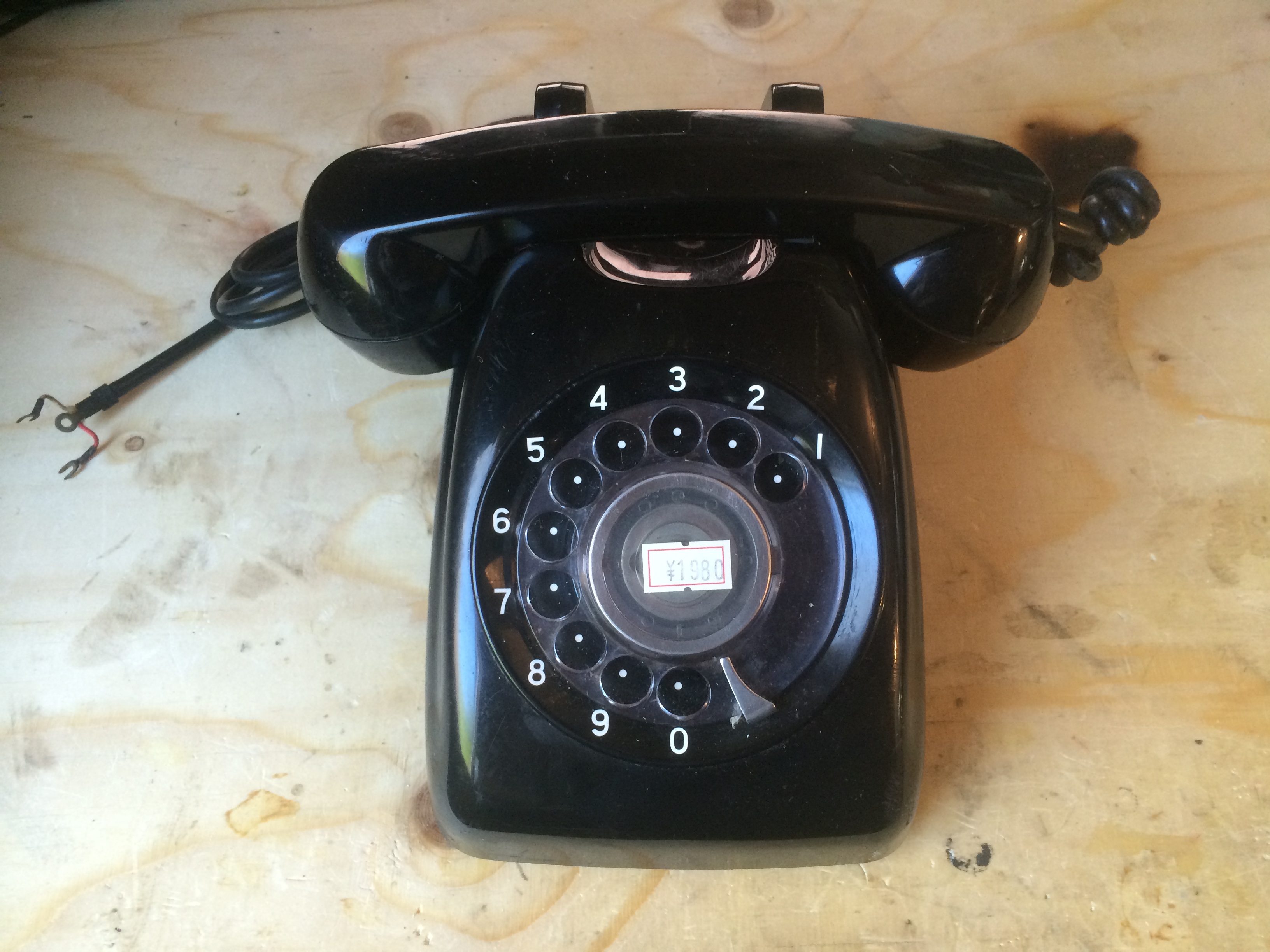
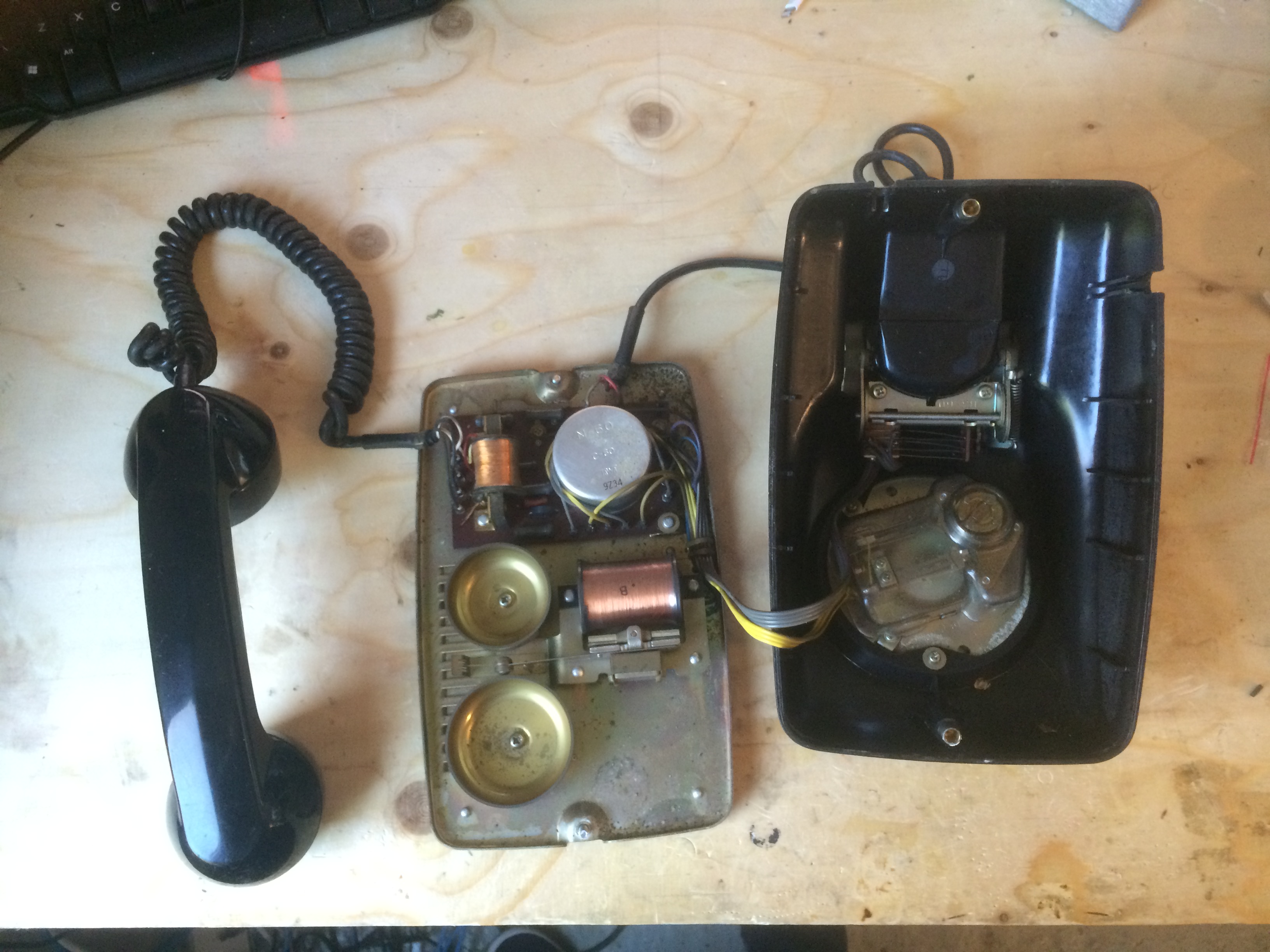
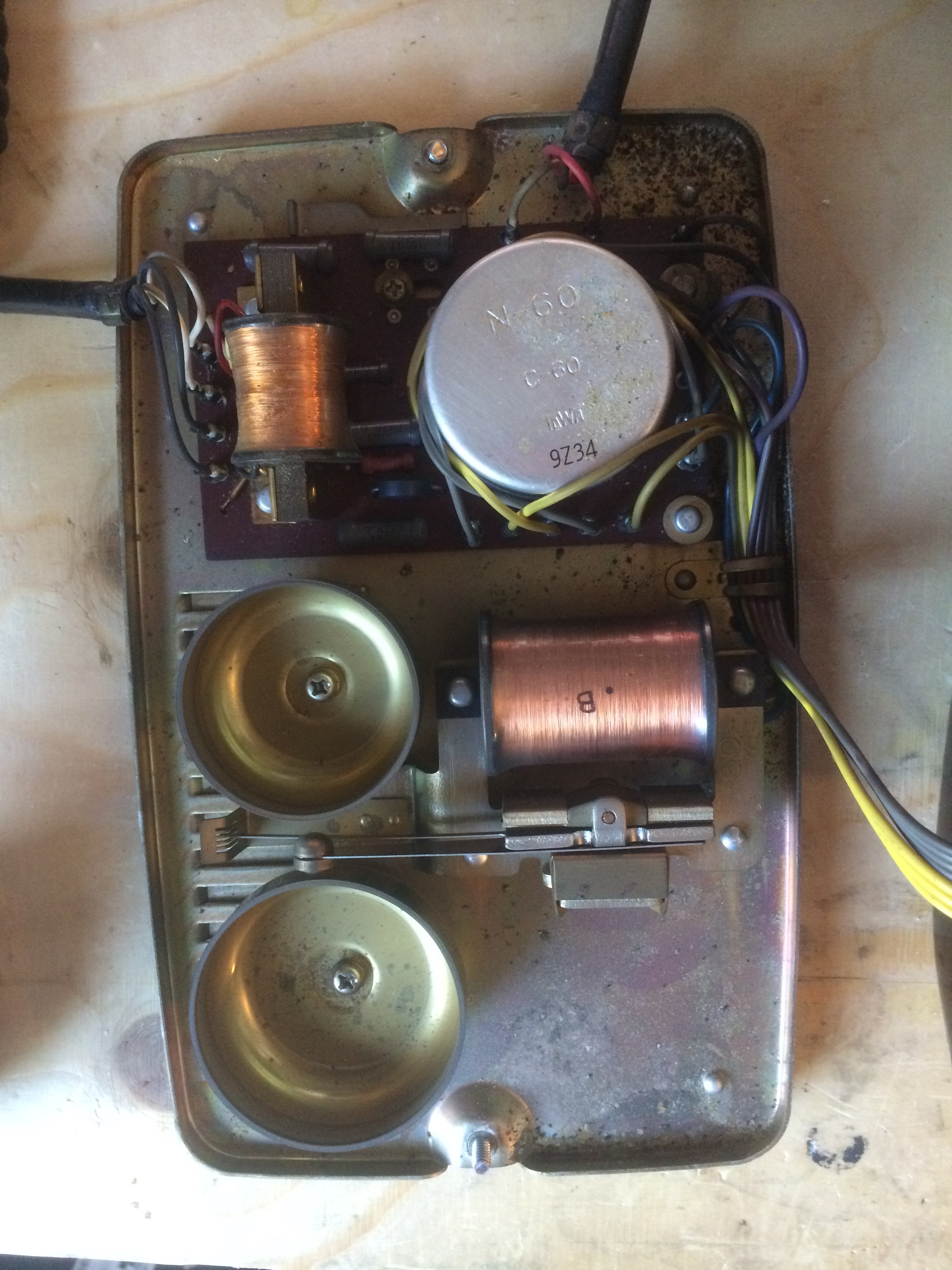
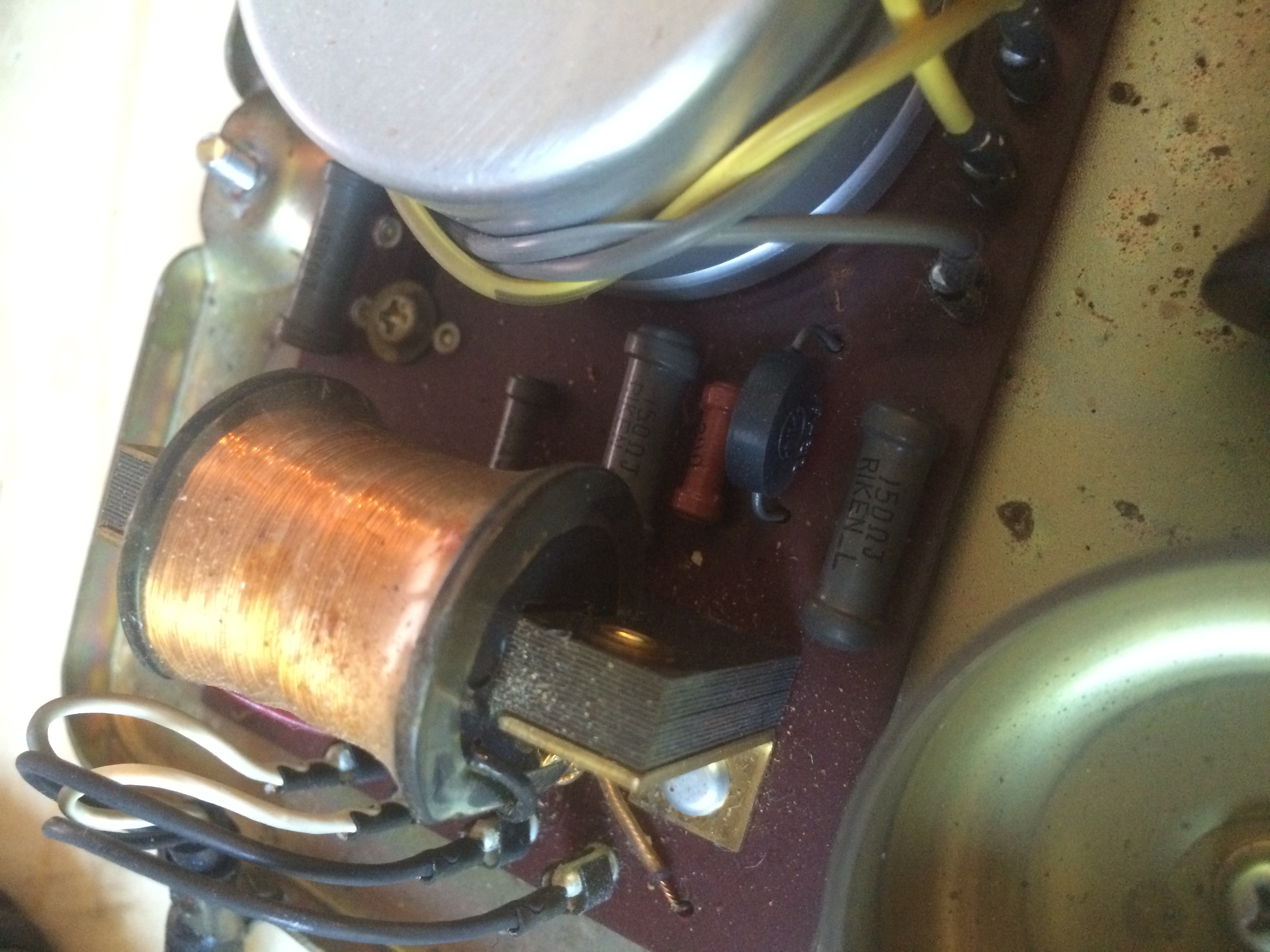
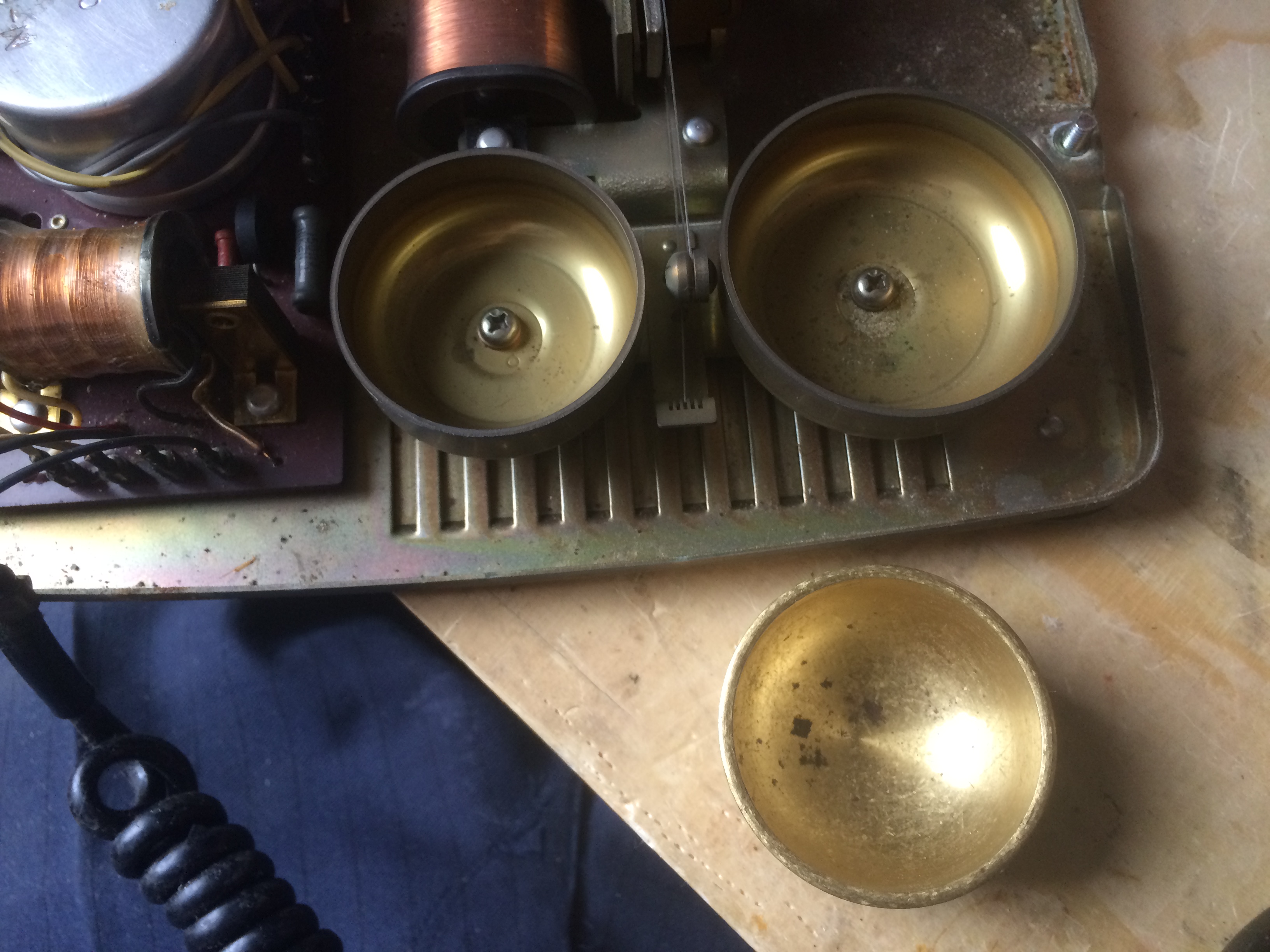
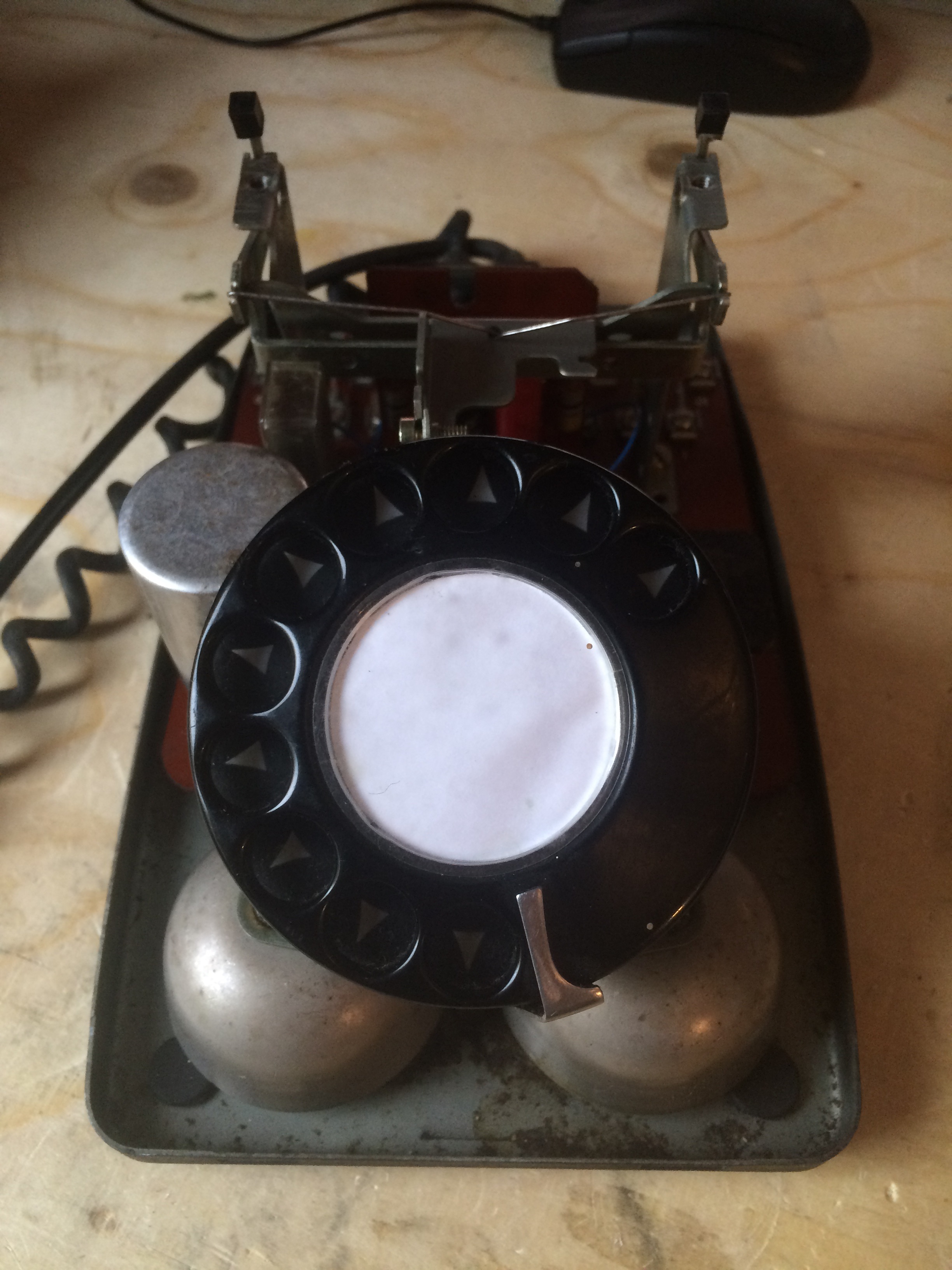
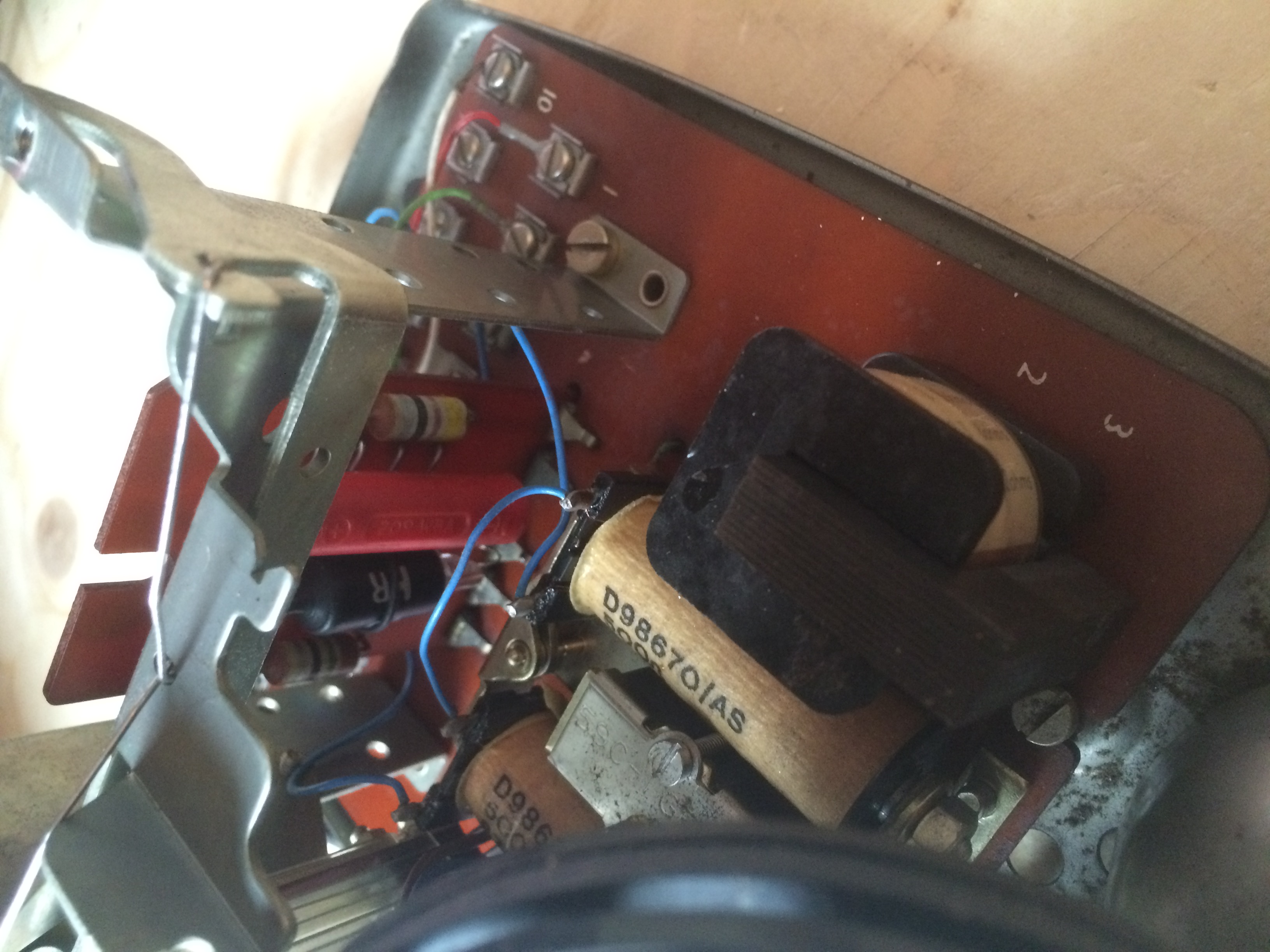
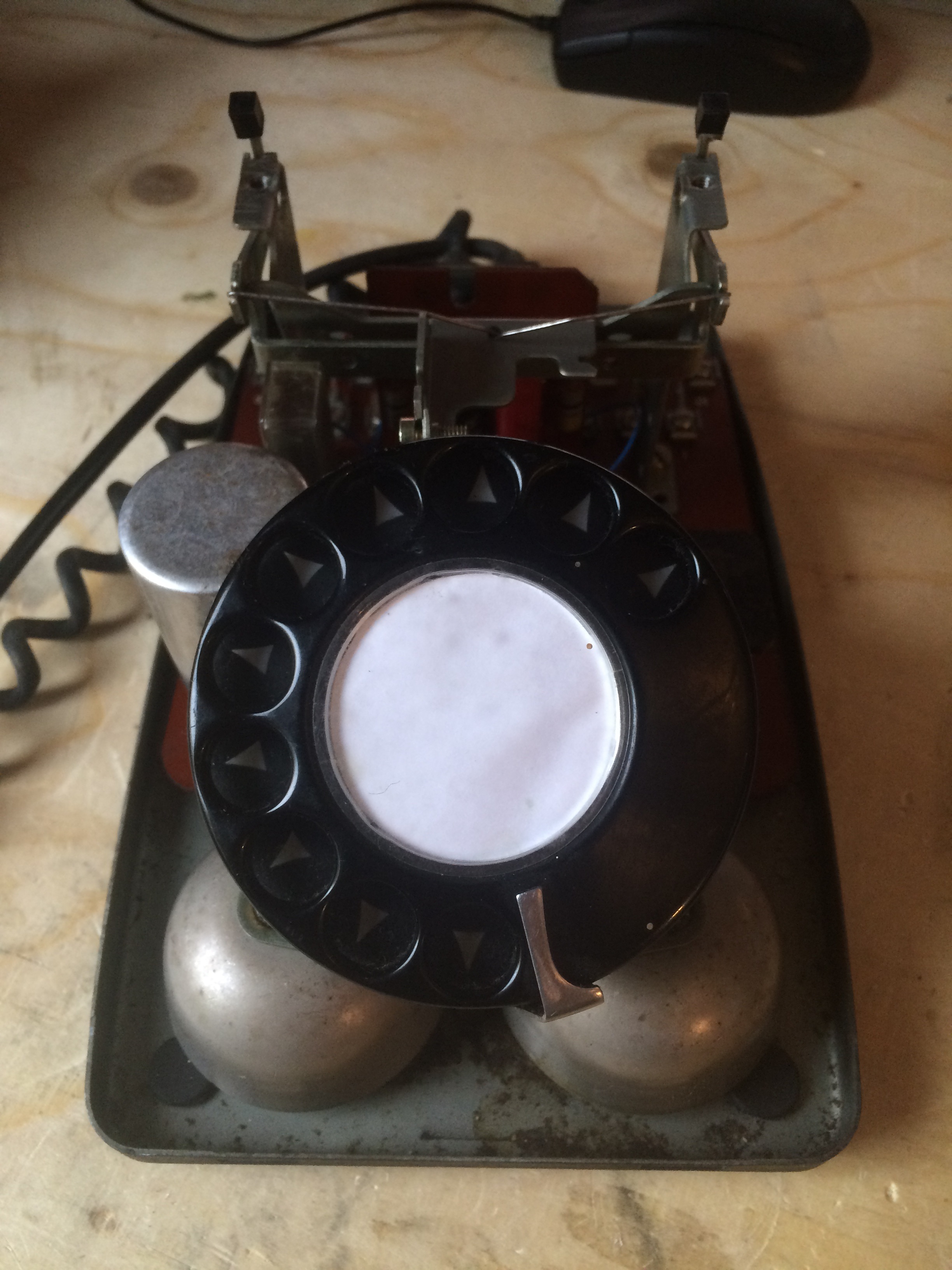
I picked up what I assume is a 1960s era phone in Akihabara a couple of weeks ago. It uses parts from a varietty of Japanese manufacturers including what appears to be Riken corp. the design comes from a time when manufacturing in Japan must have just been picking up speed after the second world war.

It’s a model 600A phone, and there’s a great Japanese site detailing this model and its variations. By best guess is that these phones would have been installed by NTT directly.

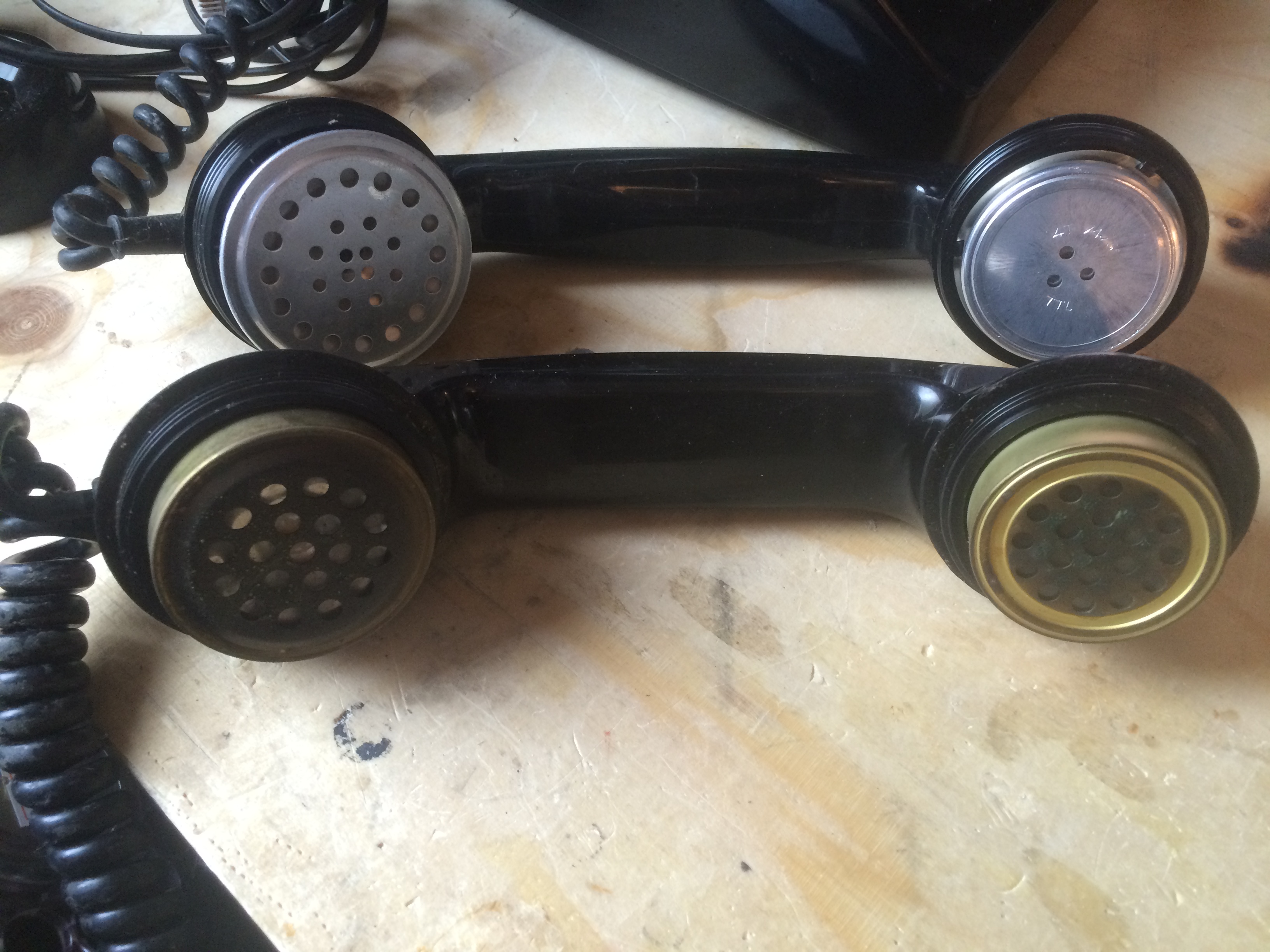
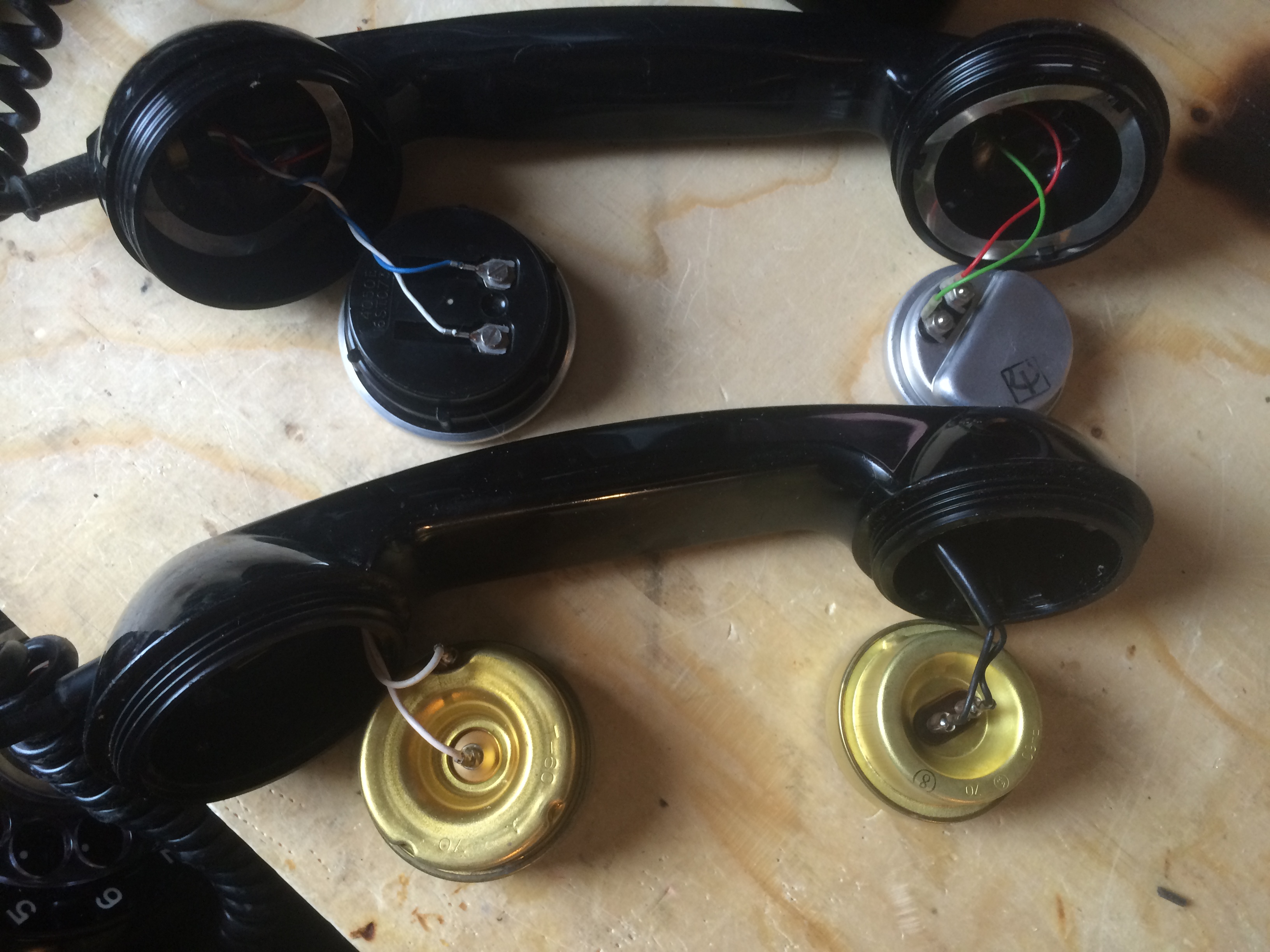
I also have a British phone from the same era. It was interesting to compare the construction, shown below:

IMG_0029

IMG_0030

IMG_0032

IMG_0039

A British telephone from a similar era for comparison:

IMG_0034

Handsets, top British, bottom Japanese.

IMG_0036

IMG_0038